JHDD Packaging Report — 2026.09.09
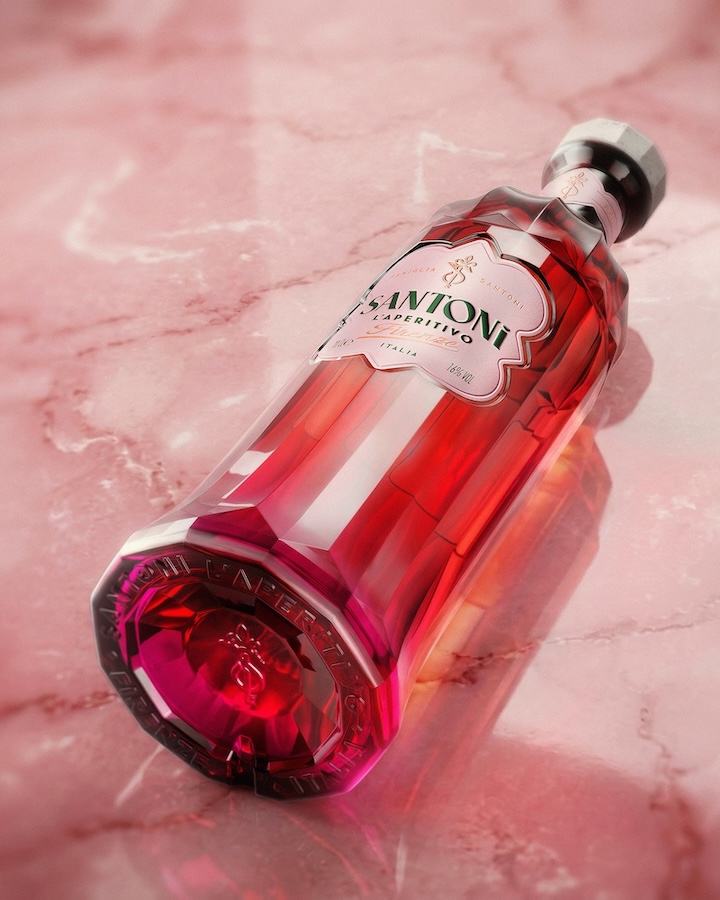
Santoni L’Aperitivo delivers a jewel-like packaging moment with its rosy glass bottle, designed to linger on the bar cart.
A common thread runs through recent packaging initiatives, demonstrating a shift from transient consumption to sustained engagement. Brands are focusing on how packaging extends its utility or aesthetic value beyond the initial unboxing. This involves designing objects that consumers wish to keep, repurpose, or integrate into their lifestyle, rather than merely discard. The perceived longevity of the physical pack is becoming a critical component of brand identity.
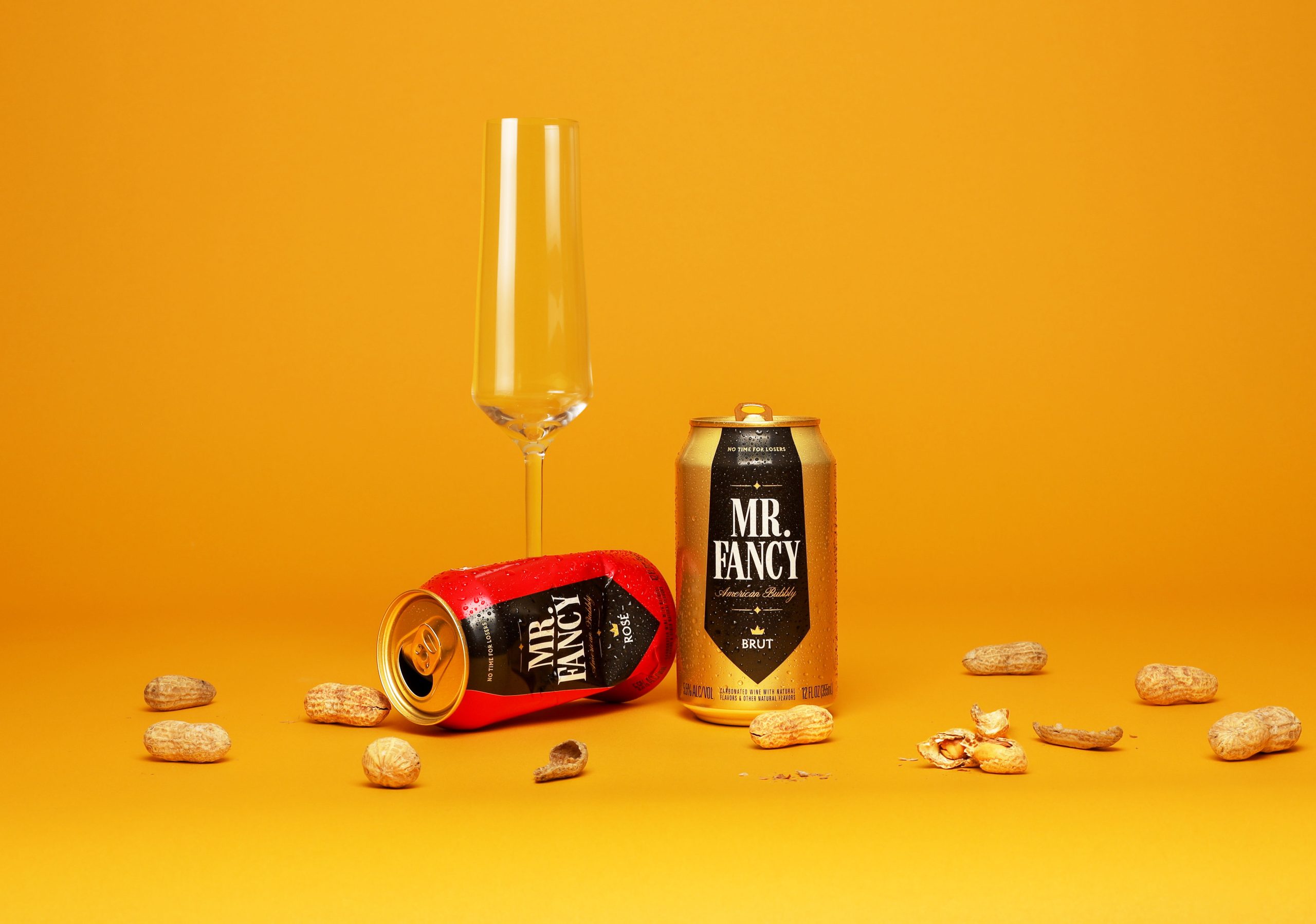
The concept of “unboxing” often focuses on a singular, dramatic reveal. However, Liquid Death’s Mike Cessario challenges this expectation with Mr. Fancy, a sparkling wine packaged in a can. While many believe premium beverages require glass for an elevated unboxing, Cessario prioritizes portability and casual consumption, disrupting the traditional ritual. This move suggests that a truly impactful unboxing experience for some categories may involve less ceremony and more integration into diverse, dynamic lifestyles. The unboxing, in this context, becomes less about the initial ‘wow’ and more about the ongoing utility and unexpected accessibility. This approach contradicts the mainstream industry opinion that premium means elaborate. By mid-2027, more high-end beverage brands will experiment with unconventional, highly portable packaging formats, valuing spontaneous integration into consumer activities over a singular, ornate reveal.
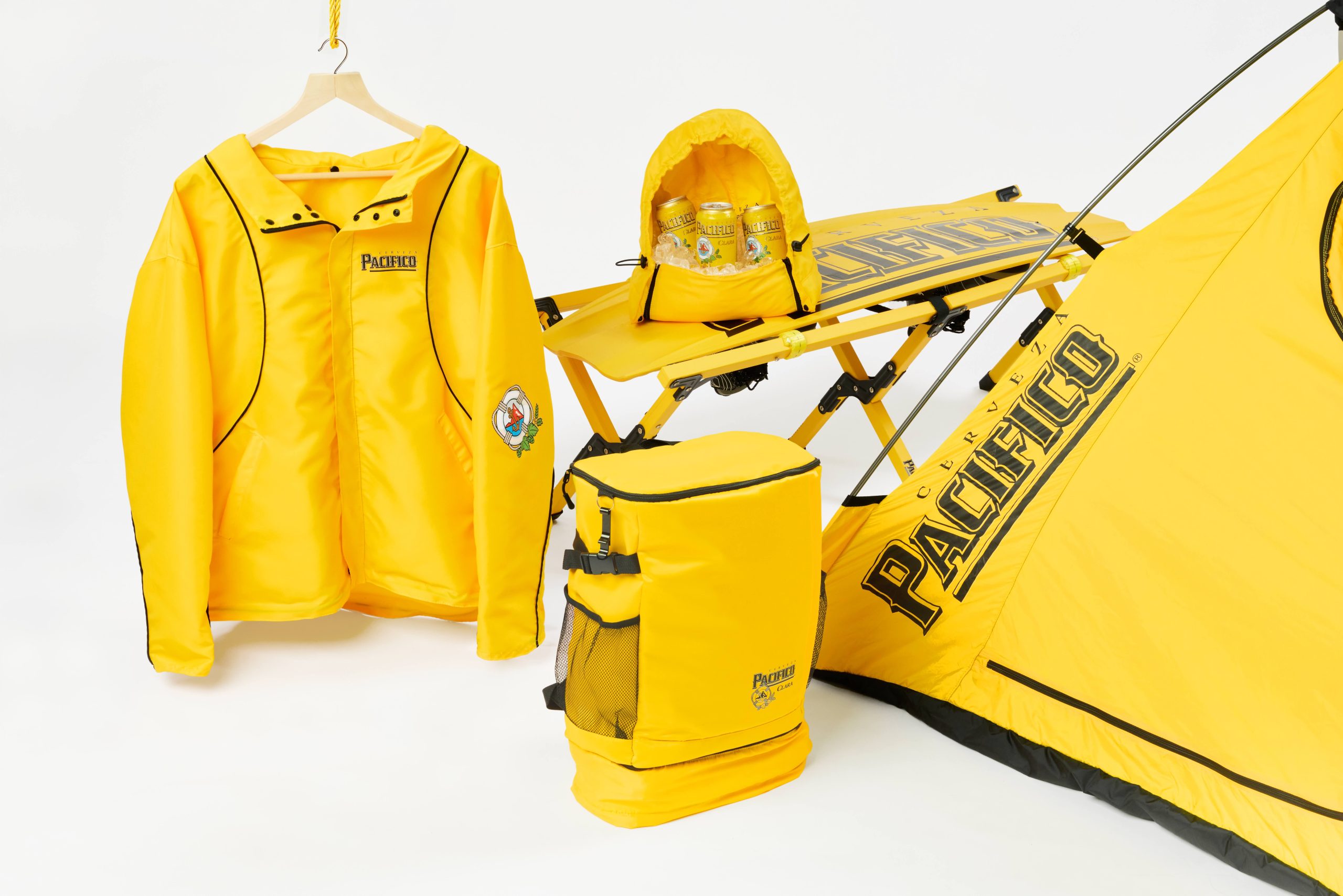
This focus on sustained engagement also manifests in tactile branding and sustainable materials. Packaging that invites touch and offers a lingering aesthetic presence, like Santoni L’Aperitivo’s rosy glass, inherently promotes a form of sustainability by becoming a valued object. Consumers are less likely to discard packaging they perceive as beautiful or useful. Similarly, Pacifico’s ‘Pacifi-Go’ modular gear, designed to transform from adventure equipment into beer-ready essentials, redefines sustainability as functional reuse. Here, the packaging ecosystem is designed for continuous interaction, extending its lifespan and purpose far beyond a single-use container. This pushes the definition of “sustainable material” beyond mere recyclability to include inherent reusability and desirability for prolonged use.
The primary opposing force to this evolving approach is established industry infrastructure and consumer conditioning. Traditional supply chains are optimized for high-volume, single-use packaging, often prioritizing lowest unit cost and conventional material forms over design for longevity or reuse. Retail shelf layouts and marketing strategies also frequently reinforce the expectation of novelty and rapid consumption, making it harder for brands to communicate the extended value of their packaging. For example, the expectation that sparkling wine must be in a glass bottle with a cork creates a barrier for innovation like Mr. Fancy, despite its practical advantages.
A working packaging professional should immediately reassess packaging briefs to include a “post-consumption utility” or “aesthetic longevity” clause. Instead of merely asking for recyclable materials, the brief should require designers to explore how the physical packaging itself could be desirable enough for consumers to retain, repurpose, or display for an extended period, thus slowing its journey to waste. This involves exploring inherent material qualities, tactile finishes, and modular design features that invite continuous interaction beyond the initial product consumption.
TL;DR
Packaging must evolve from a transient container to a valued, lasting component of the brand experience, designed for retention and re-use.
Curated References
About this editorial — This piece was developed using AI-assisted research and curation across multiple industry sources. All analysis, opinions, and predictions represent the editorial perspective of JHDD. Sources are linked in the references section above.