JHDD Packaging Report — 2026.09.04
Jamie Stark’s reimagining of vintage produce labels as large-scale murals for Pacific Coast Produce signifies an expanding ambition for brand identity beyond the traditional package.
This ambition extends into the physical space of packaging itself, where design is increasingly tasked with fostering enduring engagement rather than fleeting impact. Brands such as Agrado, with its reusable cocktail salt packaging by origen Studio, and BRU, through WeWantMore’s table-ready redesign, illustrate a deliberate shift. These projects are not merely containing products; they are crafting items intended for display, integration into home rituals, and prolonged interaction. The underlying pattern points to packaging evolving from a functional vessel into a valued object.
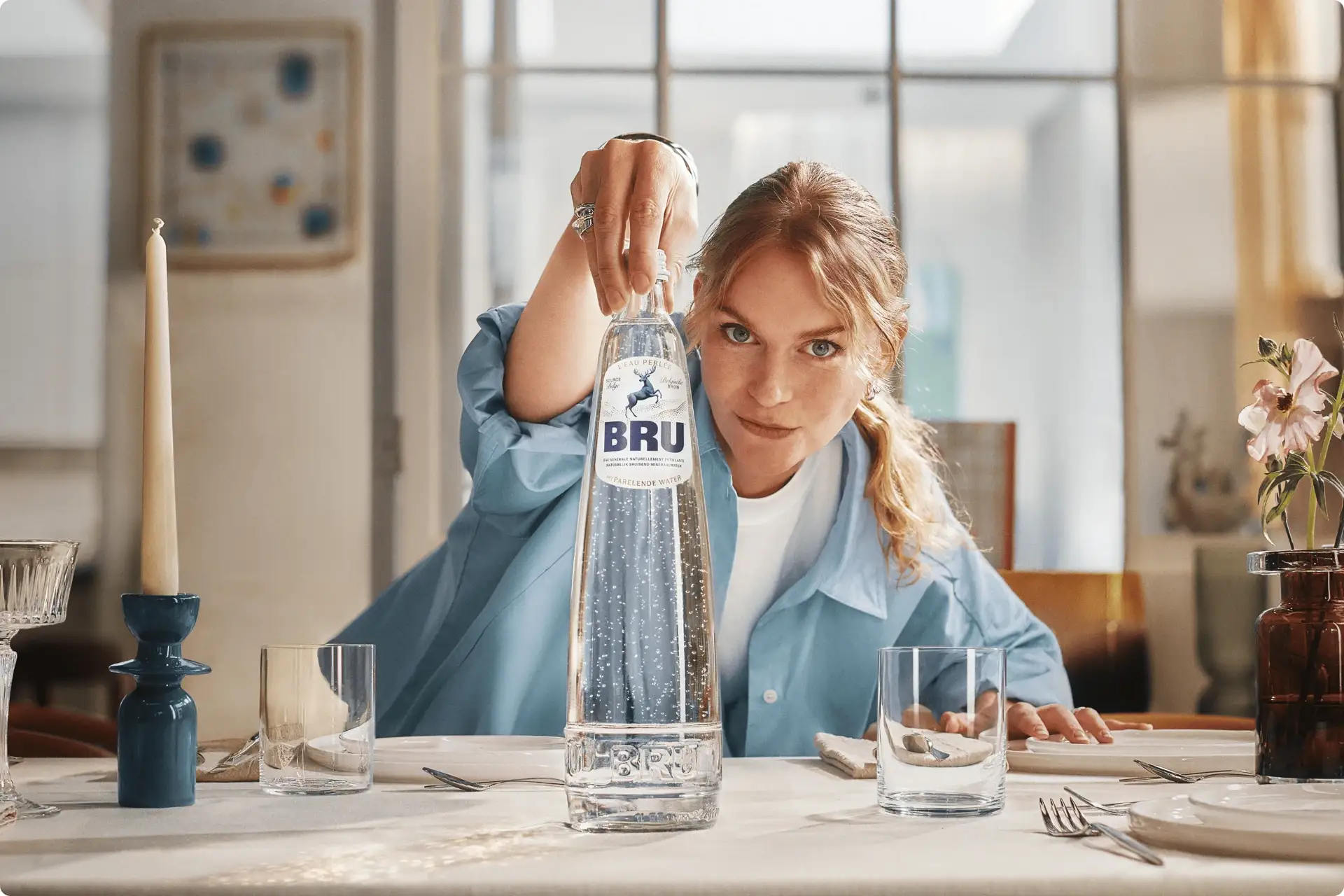
The refresh of BRU by WeWantMore exemplifies this strategy, transforming sparkling water into a polished part of the dining ritual with deep blue, warm gold, and pearl-inspired details. Conventional wisdom often prioritizes visual simplicity for mass market appeal and perceived efficiency, especially in the context of sustainability, where “less is more” frequently translates to minimalist aesthetics and material reduction. However, this approach overlooks the potent role of emotional durability. A package designed with rich detail and a specific aspirational context, like BRU’s table-ready identity, encourages its continued presence in a consumer’s life, extending its perceived value and resisting its immediate disposal. This goes beyond mere material recycling; it is about making the package worth keeping.
This contradicts the mainstream focus on sustainable packaging being solely about material innovation or lightweighting. While essential, these measures alone do not address the behavioral aspect of waste. Tactile branding, intricate detailing, and designs that encourage display, like Agrado’s “bar cart candy,” build a bond that postpones or even prevents the package from entering the waste stream. It elevates packaging to a decorative or functional object in its own right, thereby increasing its effective lifespan. By mid-2028, a significant portion of brands in the premium beverage and home goods sectors will explicitly market their packaging based on its post-consumption display value and reusability for non-original purposes, a direct response to consumer desire for less disposable items.
The primary resistance to this approach comes from the entrenched economics of fast-moving consumer goods and the logistics of mass production, which often prioritize lowest unit cost and maximum material efficiency over design-driven longevity. Retailers’ reliance on traditional shelf impact metrics, favoring stark brand recognition over nuanced tactile engagement, also limits the adoption of packaging designed for extended life beyond the immediate purchase. These forces push designers towards ephemeral solutions, hindering investment in packaging meant for display or secondary uses.
A working packaging professional should immediately reassess current projects by asking: “How can this package be designed to be kept and displayed after the product is consumed, and what tactile or visual cues will encourage this behavior?” This involves exploring materials that feel premium, finishes that invite touch, and structures that lend themselves to secondary functions, moving beyond the traditional end-of-life assessment. Consider the entire lifecycle, not just production and disposal, but the period of active consumer interaction post-purchase.
TL;DR
Packaging design needs to build emotional durability and encourage post-purchase display to genuinely enhance sustainability.
Curated References



About this editorial — This piece was developed using AI-assisted research and curation across multiple industry sources. All analysis, opinions, and predictions represent the editorial perspective of JHDD. Sources are linked in the references section above.