JHDD Packaging Report — 2026.08.19
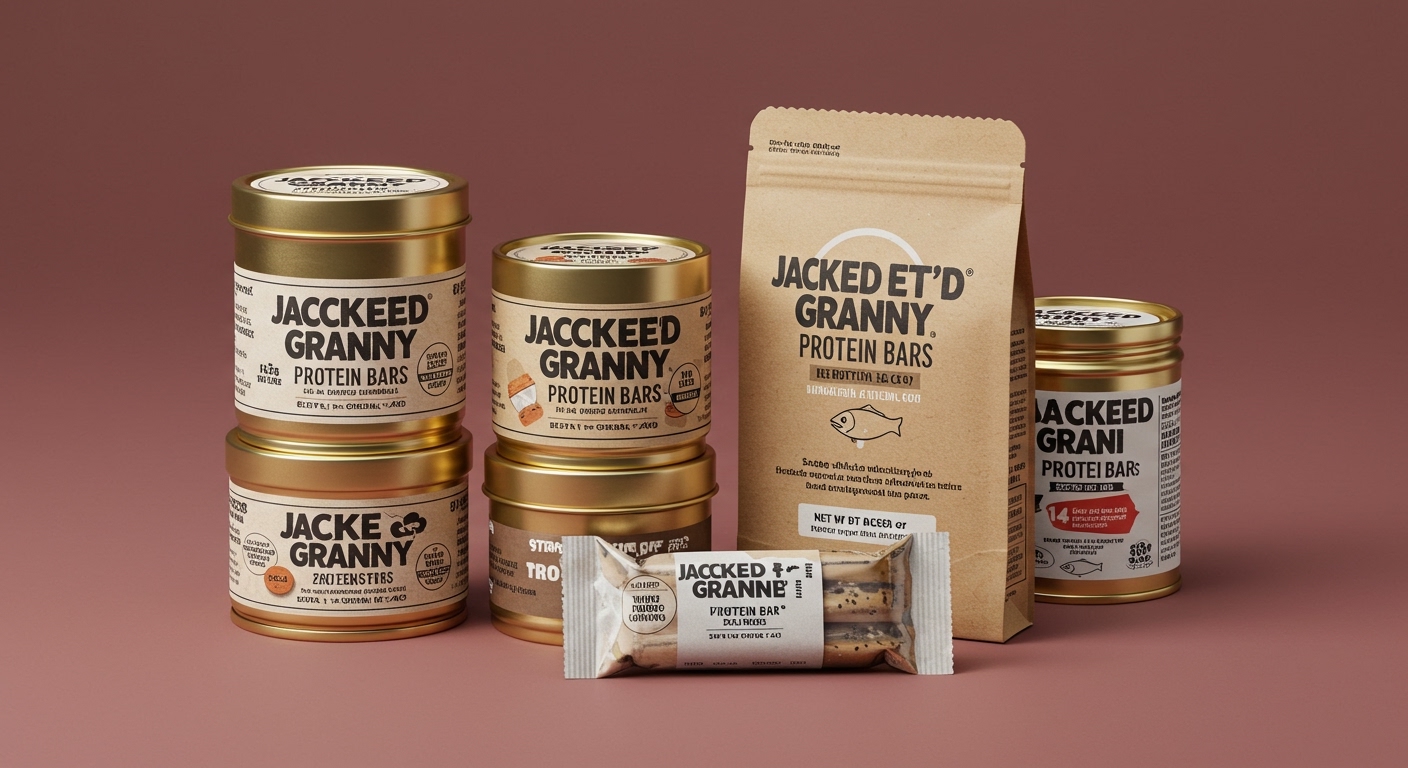
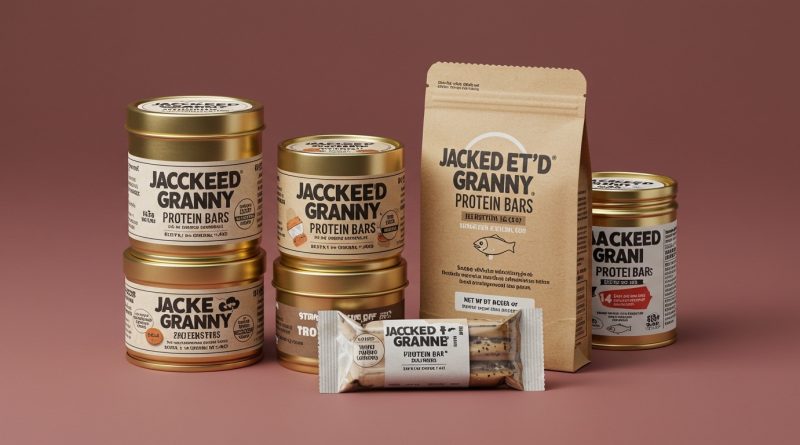
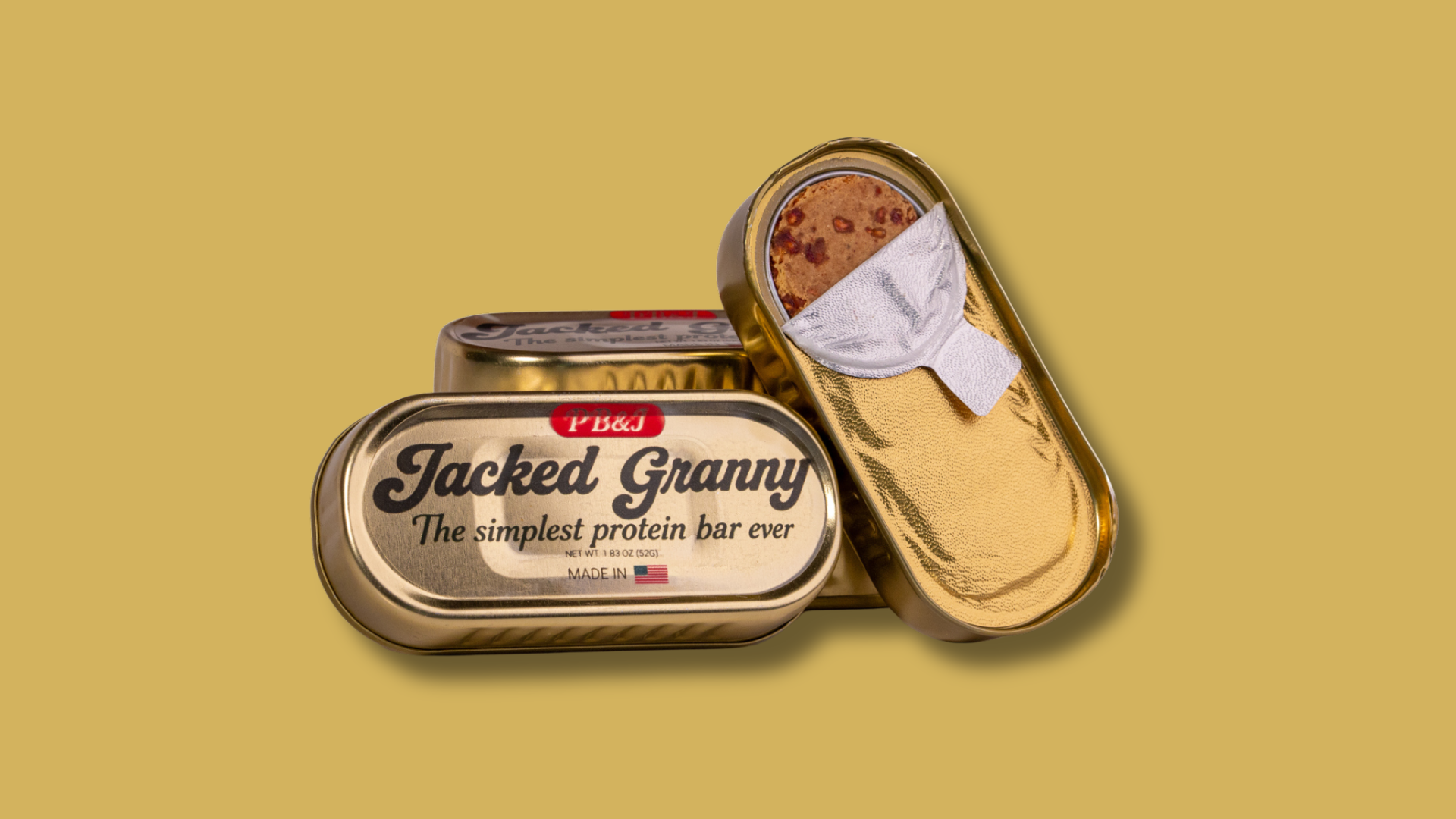
Jacked Granny Protein Bars use metal tins in a sardine format to avoid adding preservatives, a deliberate choice with tactile implications.
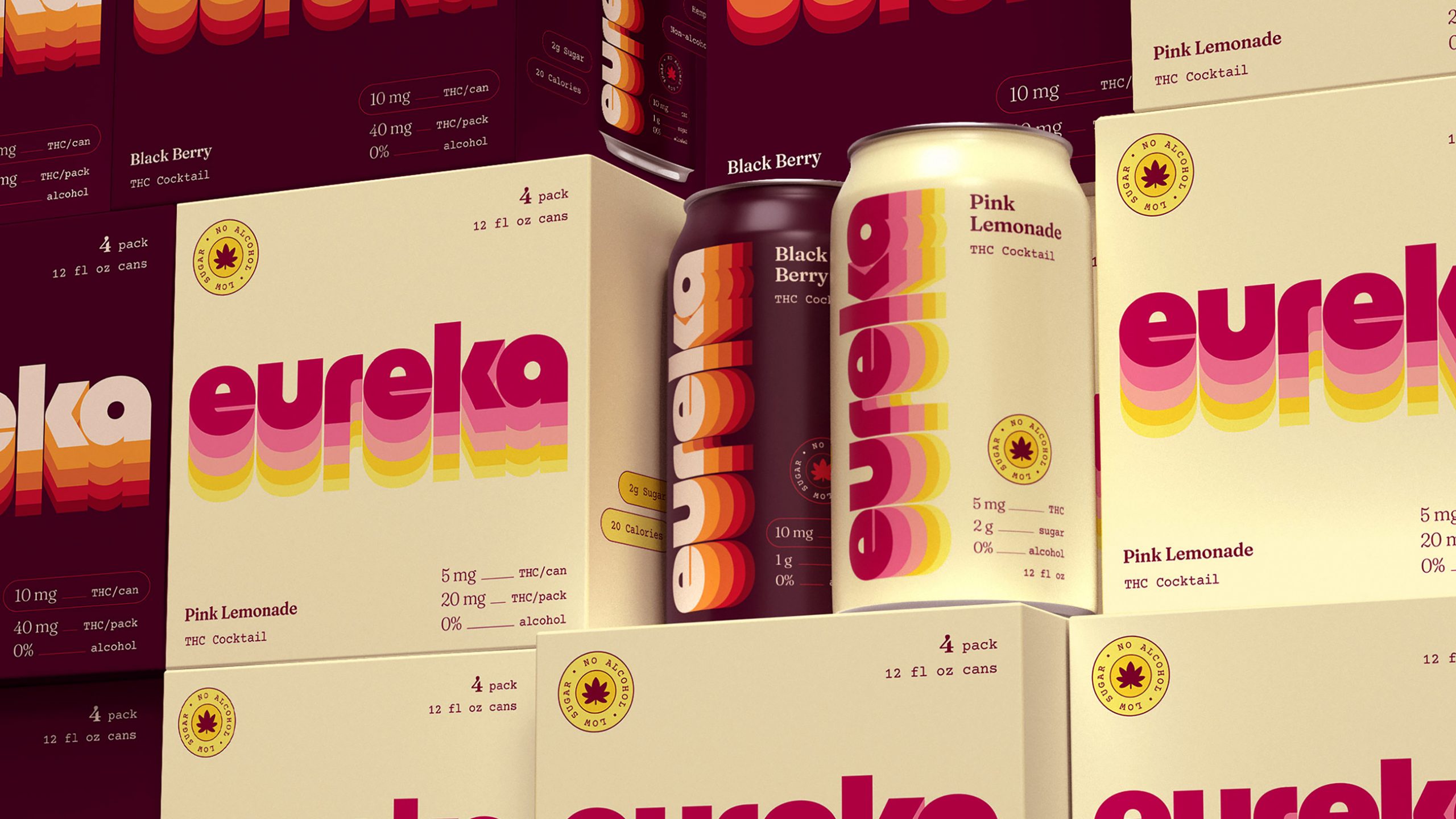
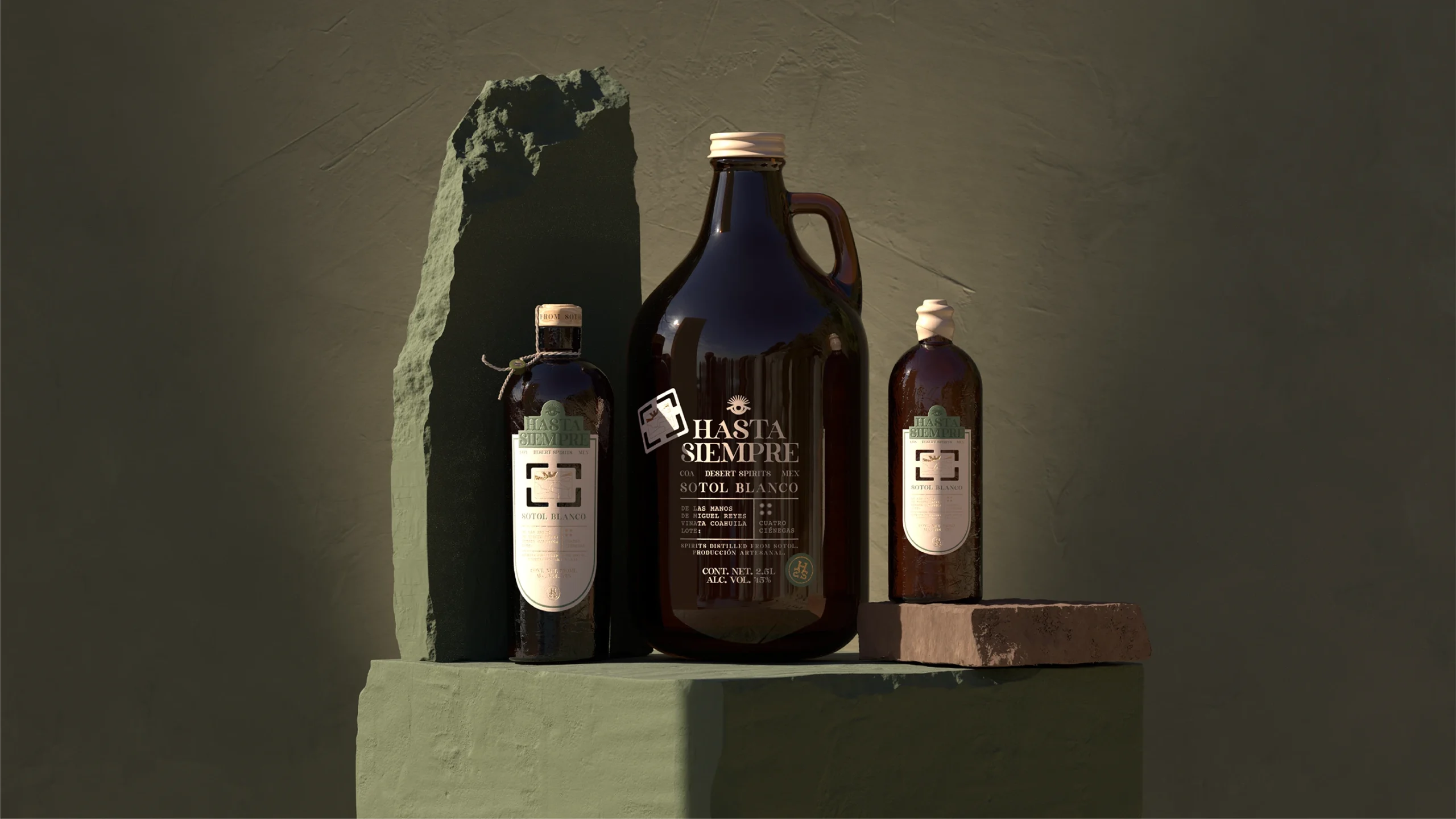
This specific structural decision, alongside Eureka’s 1970s inspired typography and Hasta Siempre’s artisanal materials, highlights a quiet but profound shift in packaging strategy. Brands are moving beyond purely visual shelf appeal and basic functional protection, instead investing in highly specific, often nostalgic or regionally rooted, physical and haptic brand touchpoints. The goal is to forge a deeper, multi-sensory connection with the consumer, leveraging the tangible aspects of the package itself to convey brand personality and values.
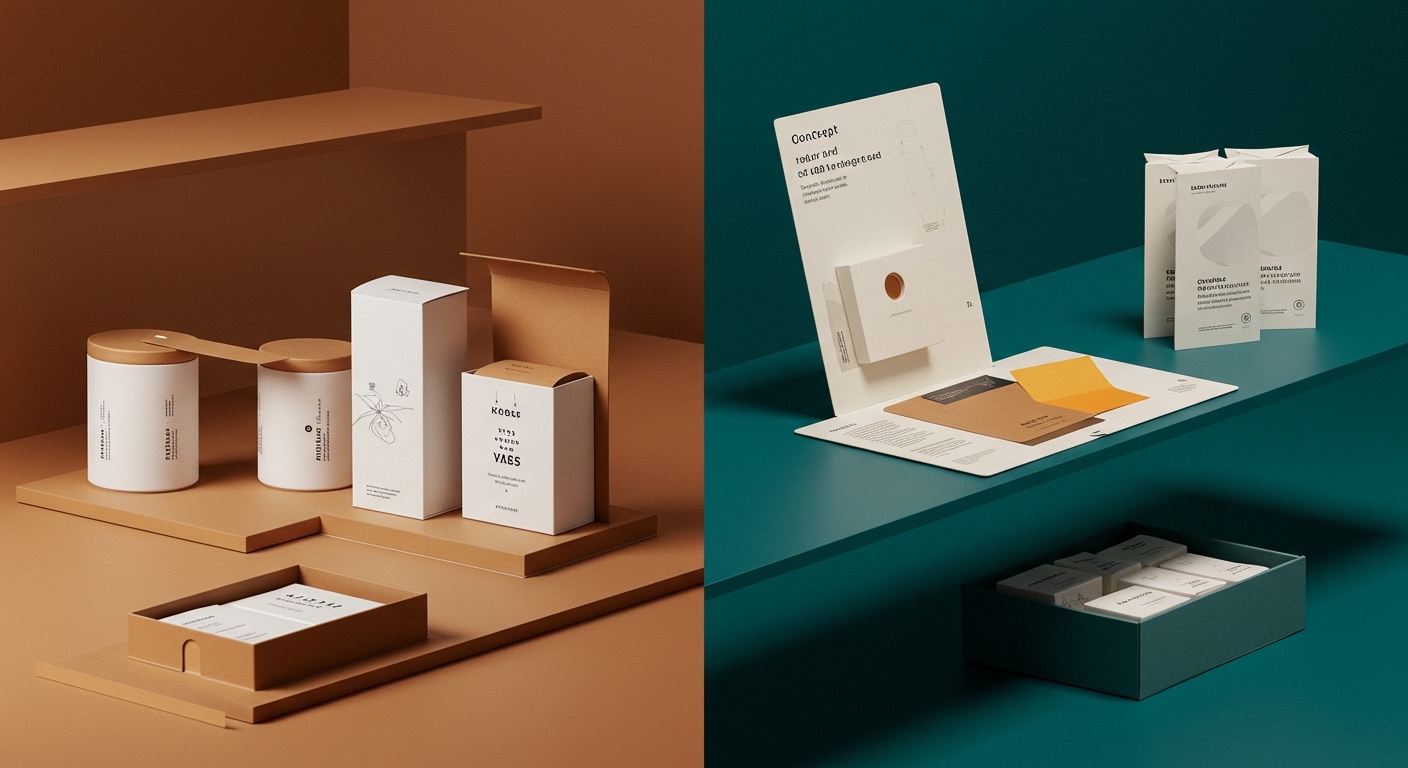
The conventional wisdom often dictates that sustainable packaging should prioritize lightweighting, mono-materiality, and ubiquitous recyclability above all else, sometimes leading to a homogenization of physical forms and textures. However, this perspective overlooks the critical role of the unboxing experience and tactile branding in building lasting consumer loyalty. When a brand like Jacked Granny selects a metal tin for its protein bars, it is not merely a material choice for preservation; it is a statement about durability, uniqueness, and a rejection of the disposable, often plastic-heavy, single-serving format common in its category. This decision creates an immediate, memorable haptic interaction, suggesting a product of substance and character. The tactile weight and metallic cool of the tin itself become intrinsic to the brand story, offering a palpable sense of quality that a flexible pouch or standard carton cannot match.
Mainstream industry conversation frequently centers on materials engineering for biodegradability or recycled content metrics. Yet, the tangible experience – the grip, the weight, the sound of a package opening – these elements are where true brand differentiation and perceived value can thrive. The DIELINE Awards Concept track, which judges unbuilt and speculative work, underscores the industry’s nascent recognition of ideas that push beyond current production constraints. This implies a future where innovation in form and material texture is rewarded, even if it initially presents manufacturing challenges. By mid-2028, a significant number of challenger brands will launch with packaging designs that deliberately prioritize unconventional haptic experiences, even if it means marginal increases in material cost, in pursuit of emotional connection and distinct shelf impact.
The primary resistance to this tactile and material-driven approach comes from the established supply chain infrastructure and procurement departments. Their entrenched focus on optimizing for lowest unit cost, standard tooling, and existing contract manufacturer capabilities often steers design decisions towards conventional forms and widely available, often generic, materials. These pressures, combined with the complexities of scaling unique material processes, can stifle early-stage exploration into more distinctive physical packaging solutions.
Packaging professionals should initiate pilot projects specifically designed to test consumer response to non-standard material finishes, package weights, or opening mechanisms for existing product lines, even if these options are initially more expensive. These pilot programs should focus on gathering qualitative data on haptic preference and perceived value rather than just quantitative cost comparisons.
TL;DR
Distinctive tactile packaging creates deeper brand connections that generic sustainable solutions often miss.
Curated References
About this editorial — This piece was developed using AI-assisted research and curation across multiple industry sources. All analysis, opinions, and predictions represent the editorial perspective of JHDD. Sources are linked in the references section above.