JHDD Packaging Report — 2026.08.16
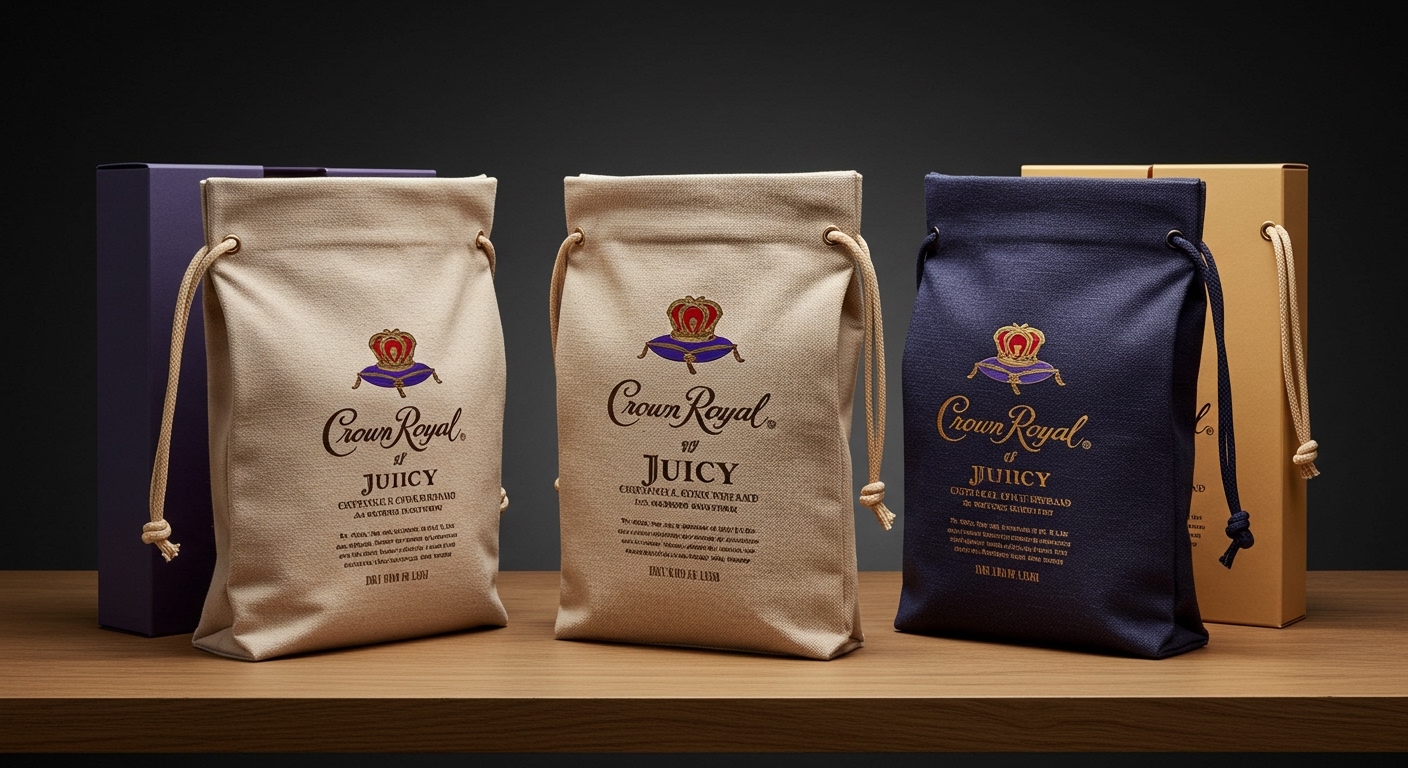
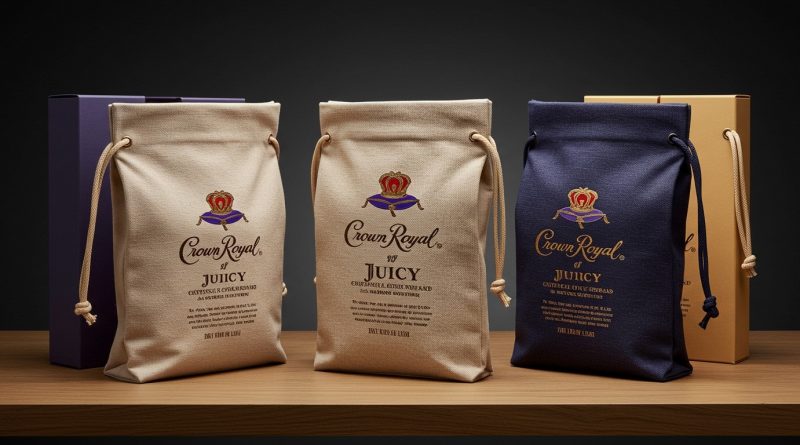
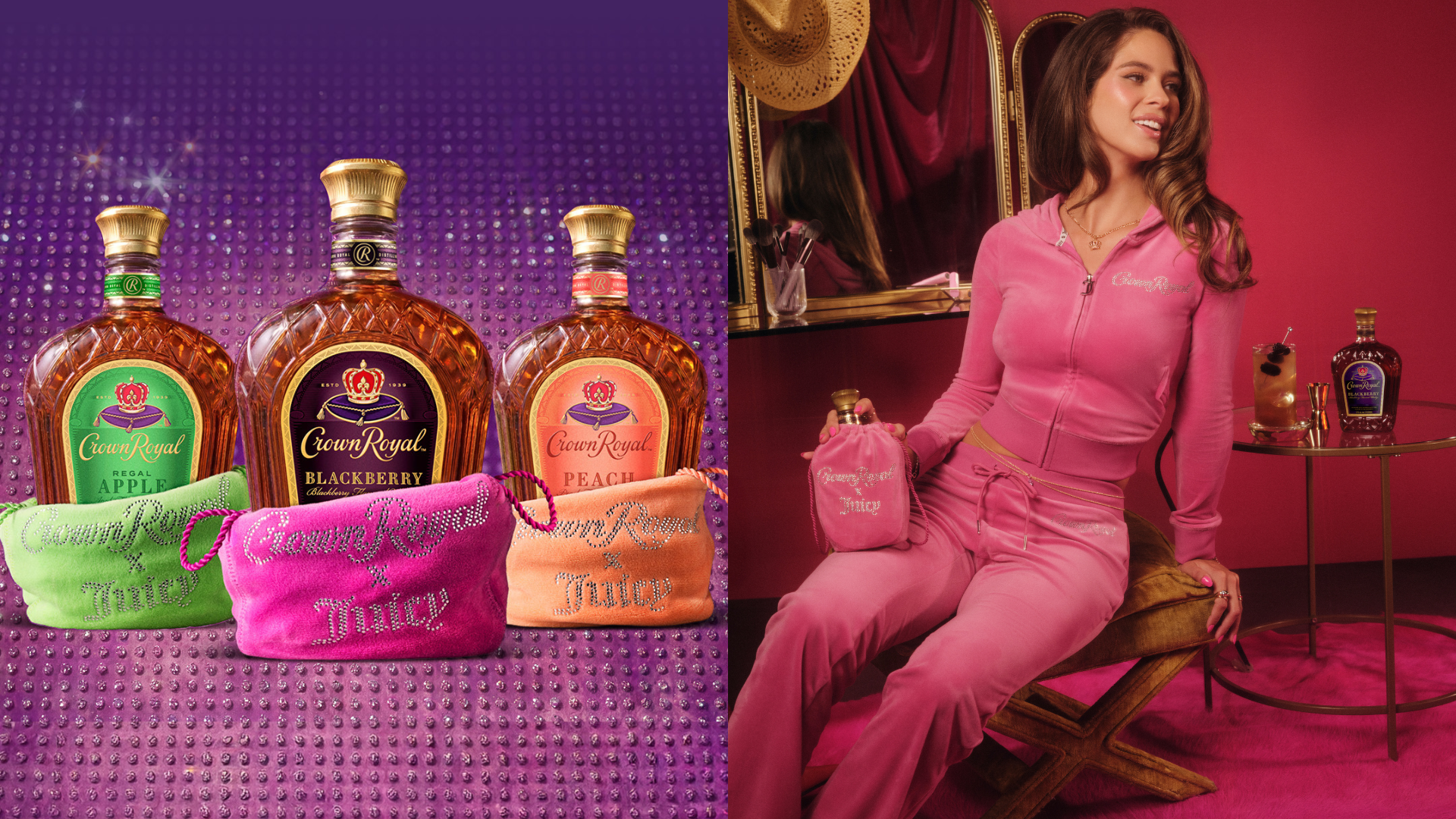
The custom whisky bottle bags from the Crown Royal and Juicy Couture collaboration exemplify a broader industry trend.
This trend prioritizes fleeting, event-driven collaborations and superficial stylistic callbacks over a deeper engagement with material integrity and lasting consumer value. Brands are pursuing immediate social media buzz and limited-edition hype, creating designs that are often visually striking and experience-focused, but frequently side-step the harder questions of material science and long-term environmental or health impact. The emphasis shifts from intrinsic product packaging quality to the transient moment of “unboxing” or acquisition.
The Crown Royal and Juicy Couture collaboration, with its bedazzled aesthetic and velvety smooth custom whisky bottle bags, represents a common industry approach to consumer engagement. Mainstream industry opinion often celebrates such partnerships as clever brand extensions and effective strategies for targeting demographics like Gen Z’s Y2K obsession. However, this focus on stylistic nostalgia and transient luxury often overshadows critical questions about the material choices within these limited-edition releases. The “velvety smooth” bags, while enhancing a perceived tactile luxury, do not transparently address their own lifecycle or material composition. This approach suggests that a compelling unboxing experience, when built solely on aesthetic or tactile novelty without material consideration, becomes a superficial gesture. Packaging design that prioritizes a fleeting sensory moment over demonstrable material responsibility creates a deficit of trust, particularly when environmental and health concerns are gaining traction.
The Texas A&M College of Veterinary Medicine and Biomedical Sciences (VMBS) finding that polyethylene, a common food plastic, may increase the chance of developing liver disease, fundamentally alters the baseline for material safety. This research suggests that what the industry has considered a “safe” material for decades now carries a significant, newly identified risk. An industry that continues to prioritize the perceived cost-effectiveness or rapid deployment of such materials for visually appealing but materially questionable collaborations, like the bespoke elements in the Crown Royal and Juicy Couture release, operates with a dangerous blind spot. Brands risk consumer backlash if they are perceived as neglecting the fundamental safety and ecological integrity of their packaging in favor of transient marketing stunts. By mid-2027, consumers will scrutinize the material origins and end-of-life pathways of packaging more intensely, demanding transparency beyond surface-level aesthetics and immediate tactile appeal.
The resistance to this shift stems primarily from entrenched supply chain economics and marketing departments focused on short-term virality and immediate sales spikes through novelty. These departments often perceive the complexities of genuinely sustainable material sourcing and circular design as hindrances to rapid deployment and cost efficiency. They favor established, readily available material streams, such as polyethylene, due to its low cost and perceived versatility, even in the face of emerging health concerns. The strategic advice for design awards, emphasizing how a single project can be entered in multiple categories, further illustrates this inclination towards optimizing for recognition rather than fundamental material innovation or holistic product lifecycle.
Packaging professionals should proactively initiate internal audits of all existing material specifications, with particular attention to polyethylene-based components. This involves identifying viable, certifiable alternatives that offer improved health and environmental profiles. Professionals must then present the long-term risk mitigation benefits, including enhanced brand reputation and consumer trust, to procurement and brand teams, advocating for a strategic shift in material selection this week.
TL;DR
Packaging design needs to integrate material responsibility with sensory appeal to build lasting consumer trust.
Curated References



About this editorial — This piece was developed using AI-assisted research and curation across multiple industry sources. All analysis, opinions, and predictions represent the editorial perspective of JHDD. Sources are linked in the references section above.