JHDD Packaging Report — 2026.07.27
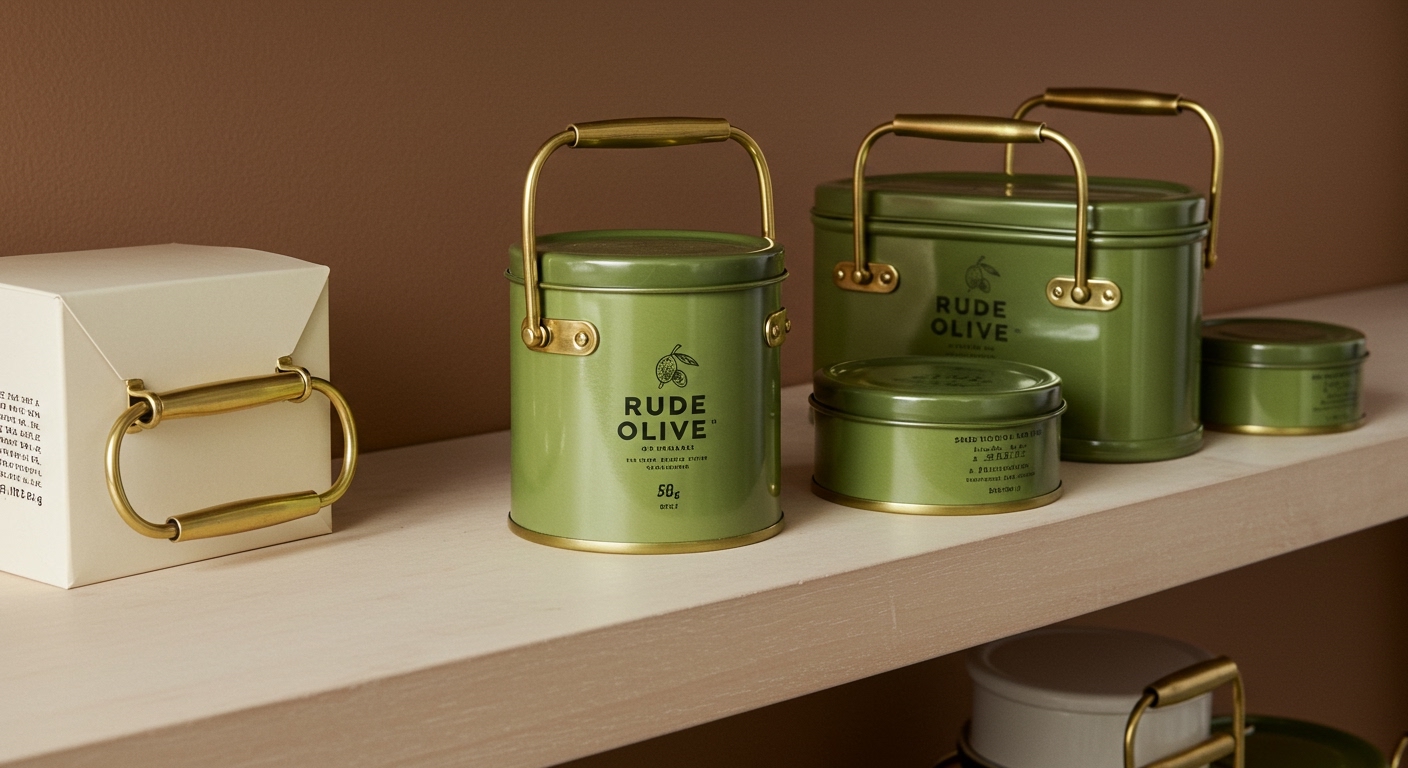
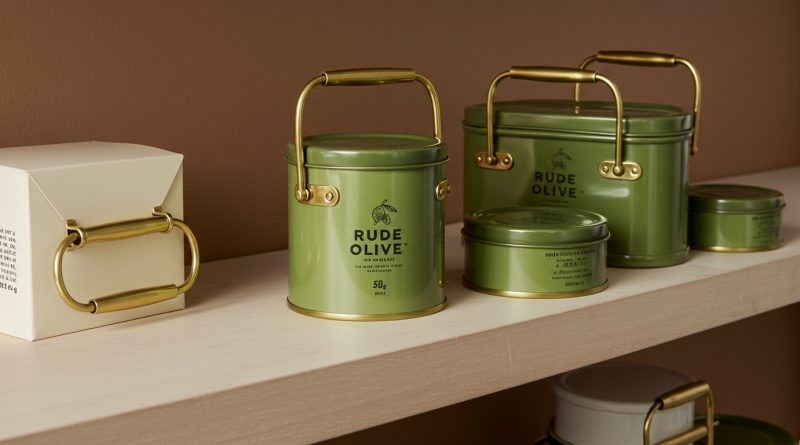
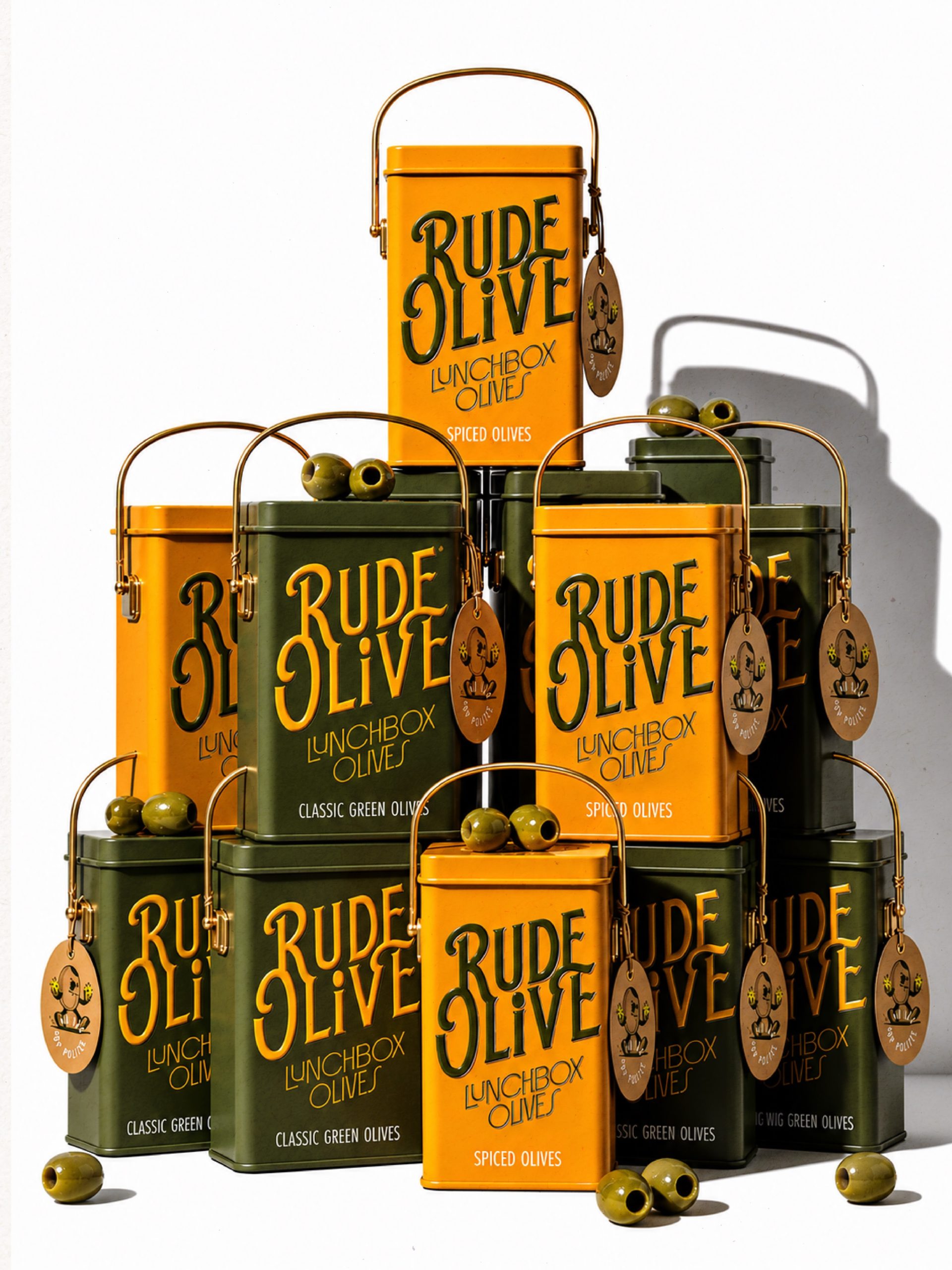
Rude Olive, conceptualized by Affogato Design, features brass swing handles on its lunchbox tins, an anachronistic detail in a category often dominated by disposability.
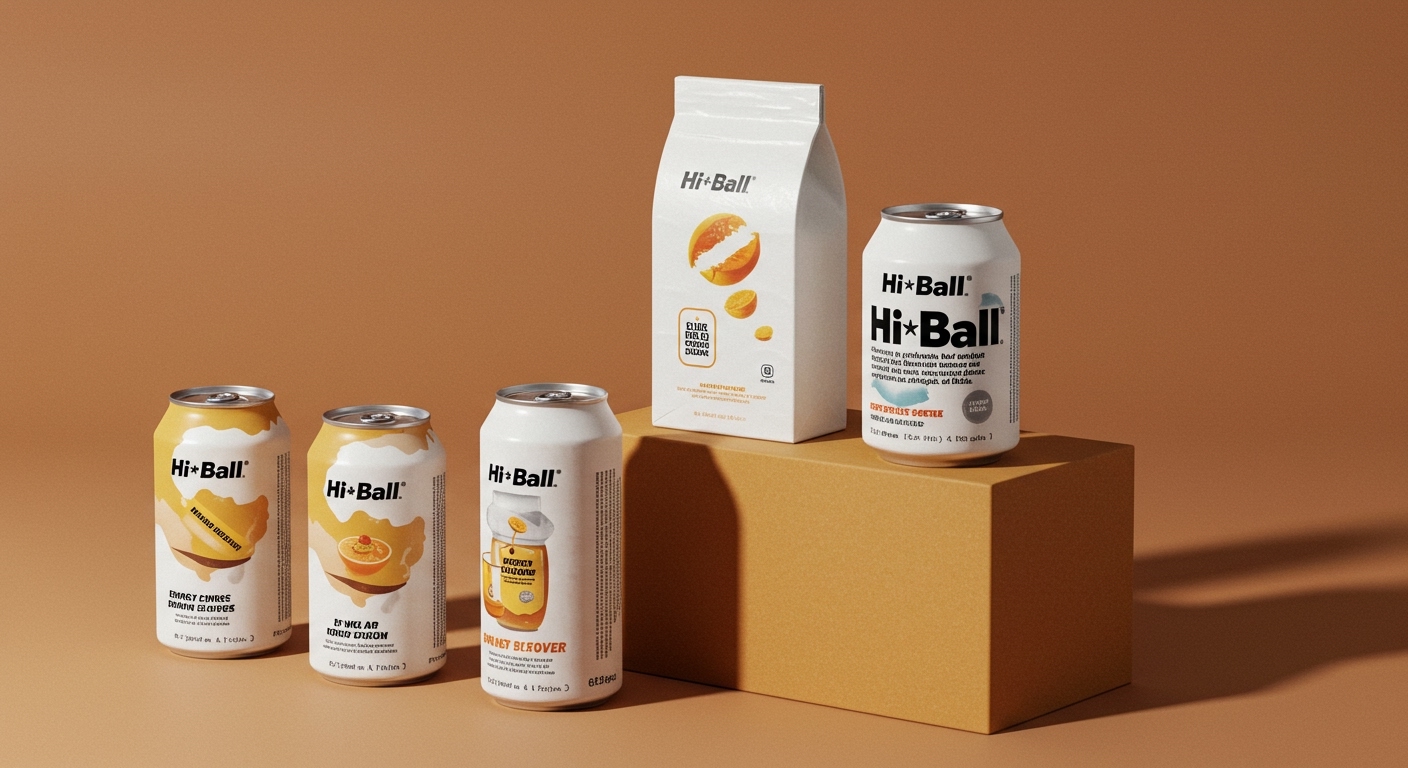
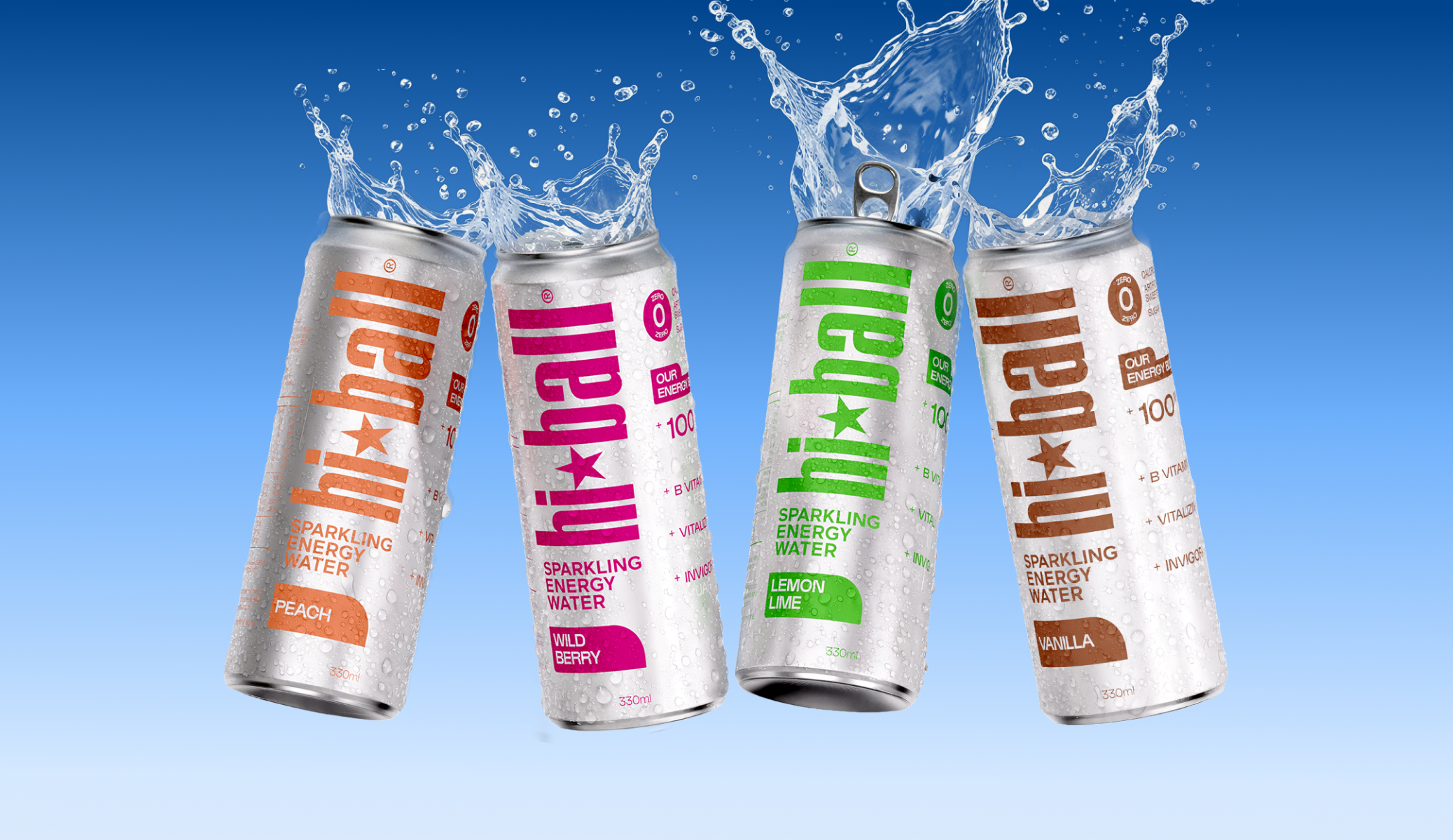
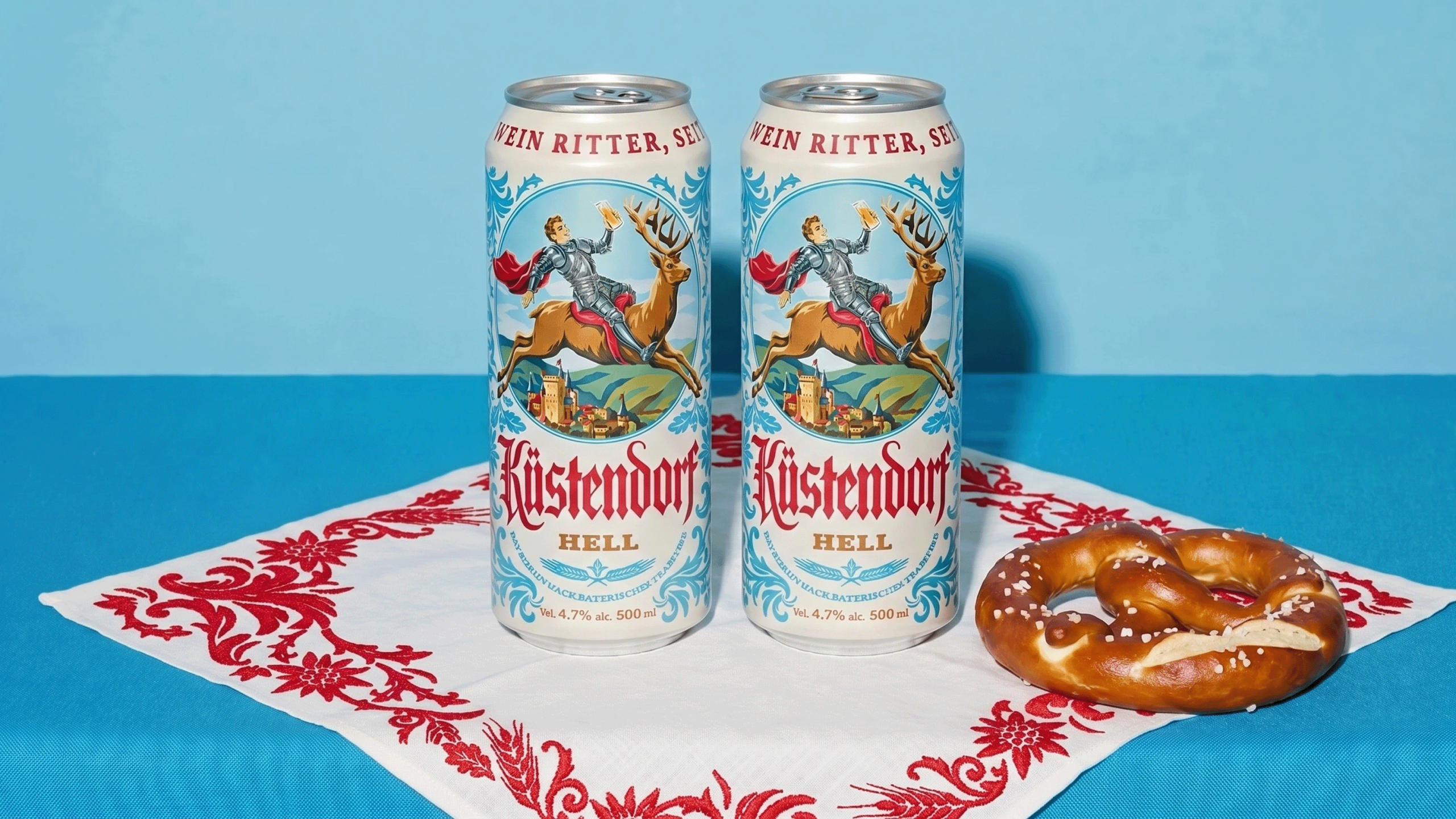
This detail, alongside Hi*Ball’s decision to strip down its energy drink design and Kustendorf’s use of a narrative-driven knight on a stag, reveals a pattern. Brands are moving beyond simple visual appeal or overt messaging. They are embracing packaging as a primary touchpoint for deep sensory engagement, using distinct tactile qualities, nuanced visual language, and specific interaction sequences. This elevates the physical object from a mere container to an active participant in brand storytelling and consumer connection.
Mainstream packaging wisdom frequently dictates that products must scream for attention on crowded shelves, prioritizing aggressive visual impact or extreme minimalism. However, Affogato Design’s work on Rude Olive presents a compelling counter-argument. The enduring impact often comes from specific, delightful friction points within the unboxing experience and a tangible sense of character. The “pun in every tin,” the rich metallic olive and mustard finishes, and the brass swing handles collectively provide a micro-narrative and haptic richness that low-cost, disposable alternatives cannot replicate. This challenges the prevalent notion that cost-efficiency or immediate visual pop should always dictate material choice and interaction design. Instead, creating an object that feels worth holding, even in a conceptual space, can drive sustained, positive engagement far beyond an initial glance. It encourages retention and re-use, implicitly supporting a more sustainable consumption model.
Elizabeth Goodspeed’s branding for Leaven, with its retro-inspired type and soft color palette alongside Cari Vander Yacht’s running microbe illustrations, similarly bypasses generic health-food aesthetics. It crafts a specific, comforting mood, offering a gentler, more authentic experience for an instant sourdough bread brand. This strategic focus on establishing character through thoughtful visual and implied tactile cues will prove increasingly valuable. By late 2027, brands that integrate layered sensory experiences within their packaging, utilizing bespoke elements and narrative depth, will observe significantly higher repeat purchases and stronger brand loyalty compared to those relying solely on price or broad category tropes. The unboxing moment will expand into a continuous, positive interaction with the packaging itself, cultivating an emotional bond that actively resists the immediate discard reflex.
This shift faces formidable resistance from deeply entrenched supply chain practices and procurement departments that primarily benchmark on unit cost and logistical simplicity. The perceived complexity of sourcing unique finishes, integrating non-standard closures, or managing intricate assembly for a truly tactile experience often deters brands operating at scale. Additionally, a pervasive risk aversion, aiming to avoid alienating broad demographics, pushes many toward generalized design solutions, sacrificing distinct character for perceived market safety and speed-to-market. These factors often override the long-term brand value of a memorable, engaging package.
A working packaging professional should schedule a dedicated “sensory prototyping” session this week with their design, material sourcing, and procurement teams. Rather than evaluating packaging concepts solely through digital renders or flat printouts, they should actively explore diverse material swatches – textured papers, embossed foils, laser-cut elements, various closures – and assess how these elements combine to create a multi-sensory story through touch, sound, weight, and visual texture. The goal is to articulate explicit sensory goals early in the design brief, moving beyond mere functional requirements to define the intended tactile and emotional impact.
TL;DR
Packaging must evolve beyond mere visual appeal, using nuanced sensory design and specific narrative elements to build lasting brand connections.
Curated References


About this editorial — This piece was developed using AI-assisted research and curation across multiple industry sources. All analysis, opinions, and predictions represent the editorial perspective of JHDD. Sources are linked in the references section above.