JHDD Packaging Report — 2026.07.20
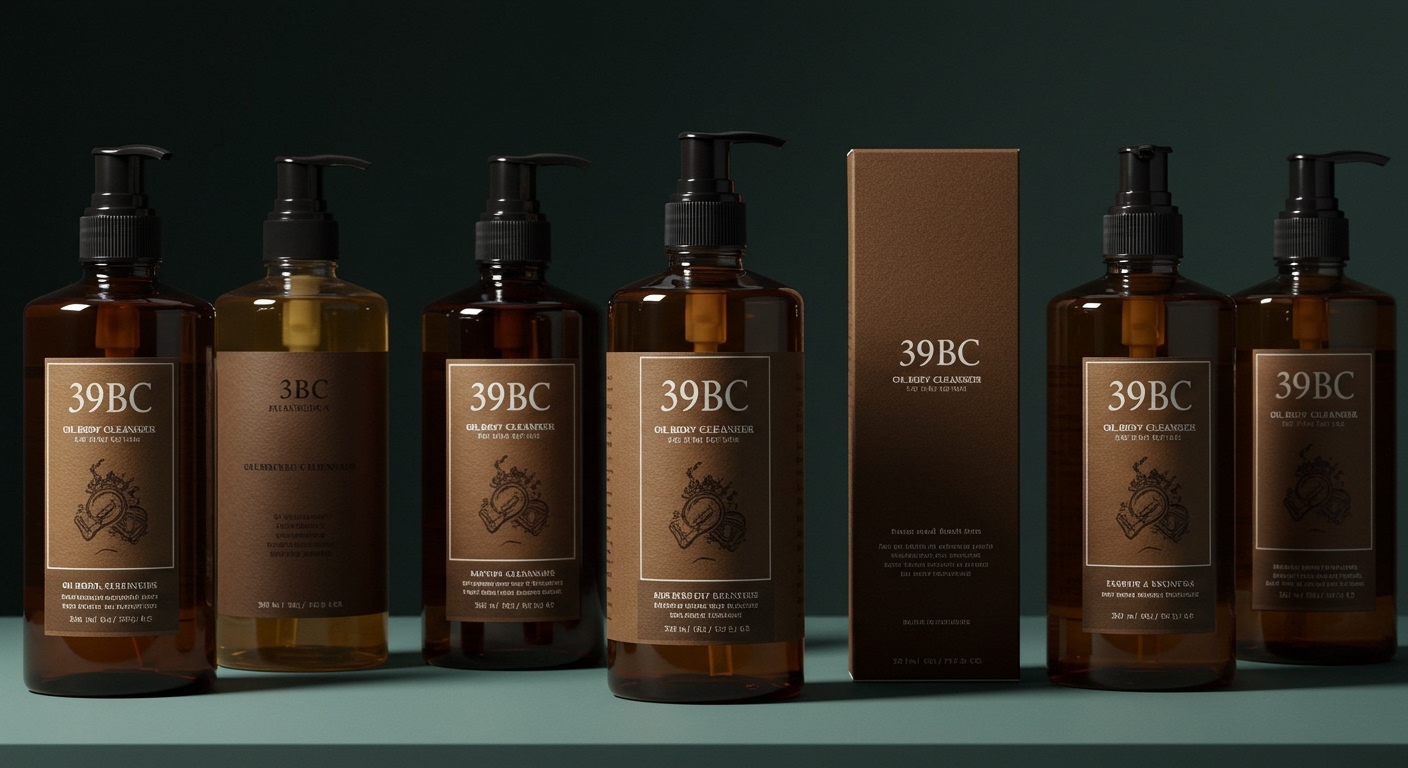
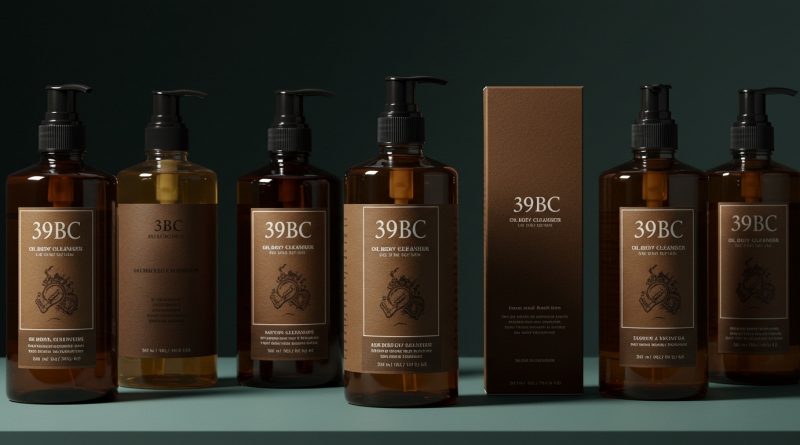
39BC’s oil body cleansers evoke ancient Roman luxury through apothecary-style glass bottles and espresso-dark labels.
This detailed attention to material and historical narrative across disparate product categories signals a significant shift. Whether it is 39BC’s museum-worthy body care, Fcklck’s sleek branding for Shwung’s non-alcoholic wine, or JKR’s collectible Budweiser series, brands are leveraging packaging as a primary touchpoint for deeper, more lasting engagement. This extends beyond simple shelf appeal into the unboxing experience, and critically, into a prolonged, post-purchase relationship, challenging the industry’s historical emphasis on disposable convenience. The simultaneous launch of Hilo’s Ho‘i reusable takeout program highlights a systemic counterpoint, suggesting that packaging’s role is evolving into both cherished artifact and functional infrastructure.
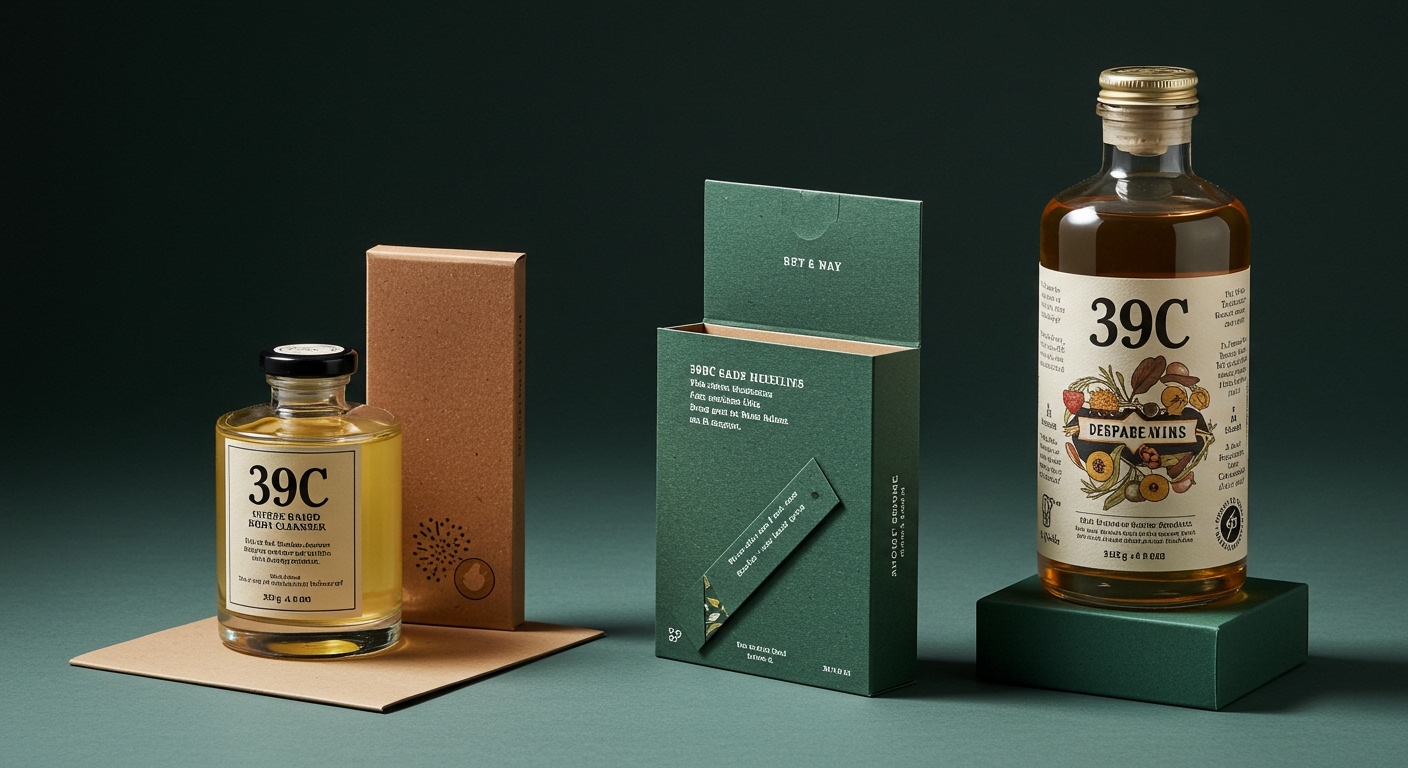
The strategic material choices seen in 39BC’s product line, such as heavy glass bottles and glossy cherry red caps, challenge the mainstream industry assumption that sustainable packaging must overtly signal its eco-credentials through a raw or unrefined aesthetic. Instead, 39BC borrows cues from historical apothecary design, conveying permanence and quality through durable materials and intricate detailing, like classical vessel etchings. This approach leverages the inherent recyclability of glass and its perceived longevity, inviting consumers to retain the bottle as an object long after the product is consumed. This contradicts the prevailing idea that premium tactile experiences are inherently at odds with environmental responsibility; rather, the investment in durable, high-quality materials can foster a different kind of sustainability: extended product lifecycle and reduced waste through retention. By mid-2028, leading CPG brands will shift design budgets toward durable, high-fidelity tactile packaging that encourages long-term consumer retention, rather than focusing solely on increasing post-consumer recycled content in inherently disposable formats.
The collector appeal seen in JKR’s work for Budweiser’s World Cup packaging series further reinforces this pivot towards post-consumption engagement. By transforming packaging into a nostalgic artifact, Budweiser extends the unboxing experience into a prolonged relationship with the brand, where the package itself becomes part of a personal collection. This strategy redefines “sustainable” by promoting longevity through emotional attachment and utility beyond its primary function. It demonstrates that the tactile and visual quality of packaging can transform a transient purchase into a cherished item. This suggests that the future of packaging is not merely about material science, but about behavioral design. Packaging professionals must consider how design choices influence consumer behavior beyond initial use, creating incentives for preservation or systemic return. Within three years, packaging for premium and niche products will integrate explicit ‘second-life’ narratives, encouraging reuse or collection through design elements and augmented reality prompts embedded in the packaging itself.
Despite these advancements, significant resistance persists from established operational models. The widespread adoption of systems like Hilo’s Ho‘i program faces friction from ingrained consumer convenience habits and the complex logistics of reverse supply chains. For mass-market CPG, the imperative to minimize unit cost often overrides investments in durable, experience-driven packaging or scalable return infrastructures. The inertia of existing manufacturing processes, distribution networks, and a consumer culture still largely accustomed to single-use convenience presents a formidable barrier to widespread change.
A packaging professional should this week initiate a design brief for a current product that explicitly requires the packaging to serve a secondary function or possess a design-driven incentive for retention. This exercise must move beyond simple “recyclable” labeling, challenging the team to integrate tactile elements, material durability, and visual narratives that encourage the consumer to keep the package, reuse it, or participate in a return system. The focus should be on how the physical package fosters a sustained connection rather than a transient transaction.
TL;DR
Packaging must evolve beyond disposable utility, becoming a durable, tactile object that encourages retention or participation in circular systems.
Curated References


About this editorial — This piece was developed using AI-assisted research and curation across multiple industry sources. All analysis, opinions, and predictions represent the editorial perspective of JHDD. Sources are linked in the references section above.