JHDD Interior Report — 2026.08.15
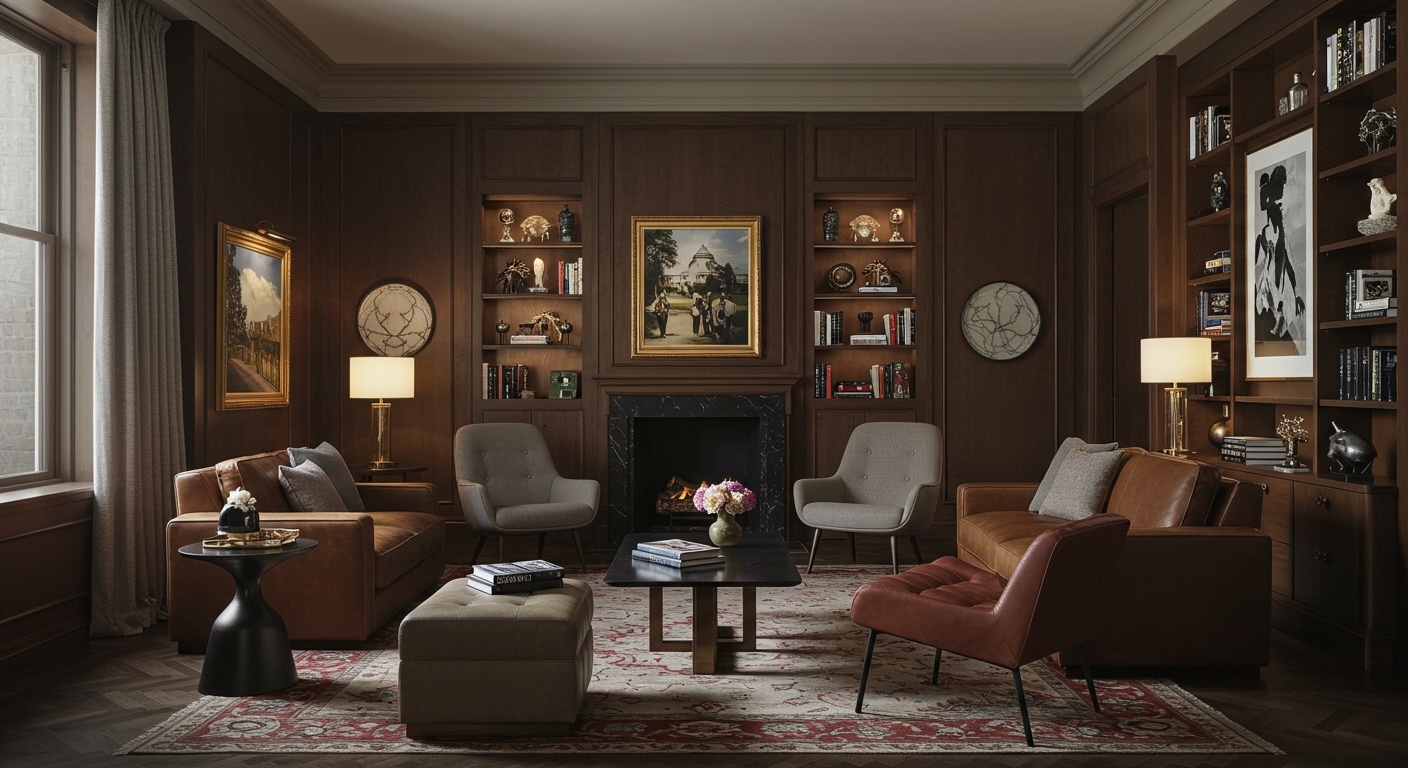
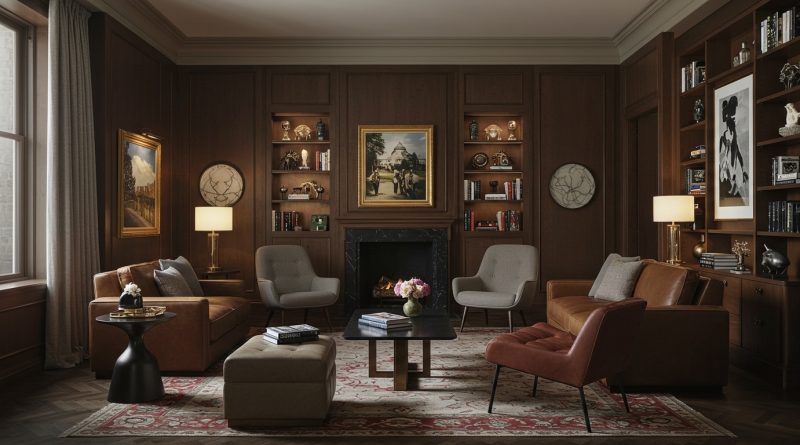
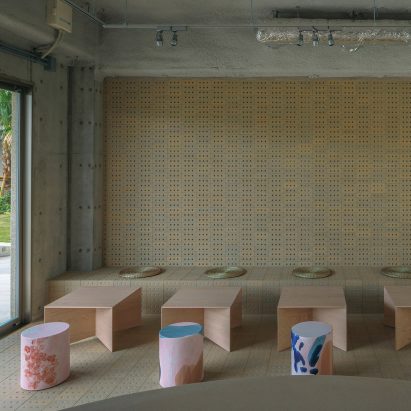
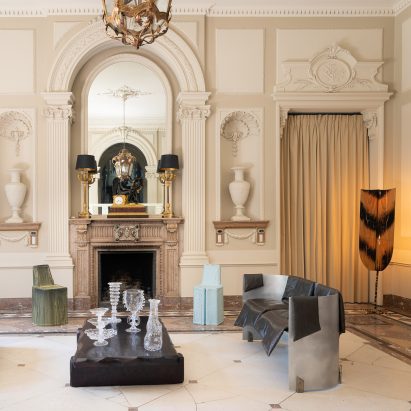
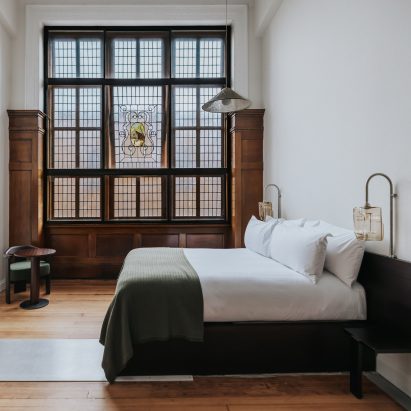
Busta Studio filled the Kimpton Ashbel hotel on Park Avenue with art and objects intended to make it feel like “a warm, elegantly curated home.” Across diverse projects, a sophisticated rejection of superficial placemaking is emerging. From A-nrd’s Arthouse Glasgow hotel celebrating industrial heritage with a raw material palette, to Kii’s SR Ice Cream Miyakojima utilizing local limestone, these designs engage with the intrinsic character of a location. They integrate nuanced material choices and spatial strategies that cultivate tactile authenticity and a profound sense of belonging, rather than resorting to obvious thematic decoration.
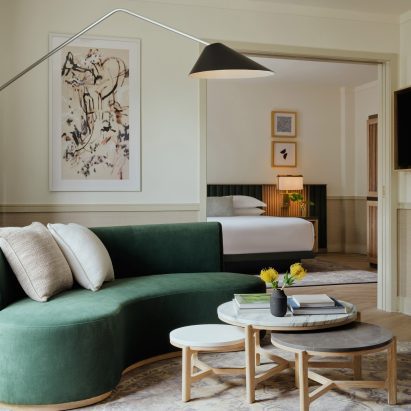
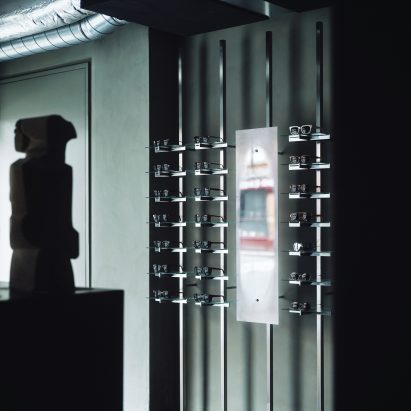
The conventional wisdom in hospitality design often pushes for overt visual storytelling, frequently leading to generic, visually loud expressions of “local culture.” This approach, while easily digestible, overlooks the deeper potential for spatial and material resonance. What Youth achieved with the Cubitts eyewear store in Manchester, reflecting the city’s history without resorting to obvious clichés, demonstrates this counter-narrative. The true luxury now resides in environments that offer subtle, layered experiences, allowing occupants to discover connection through texture and light, rather than being explicitly told a story.
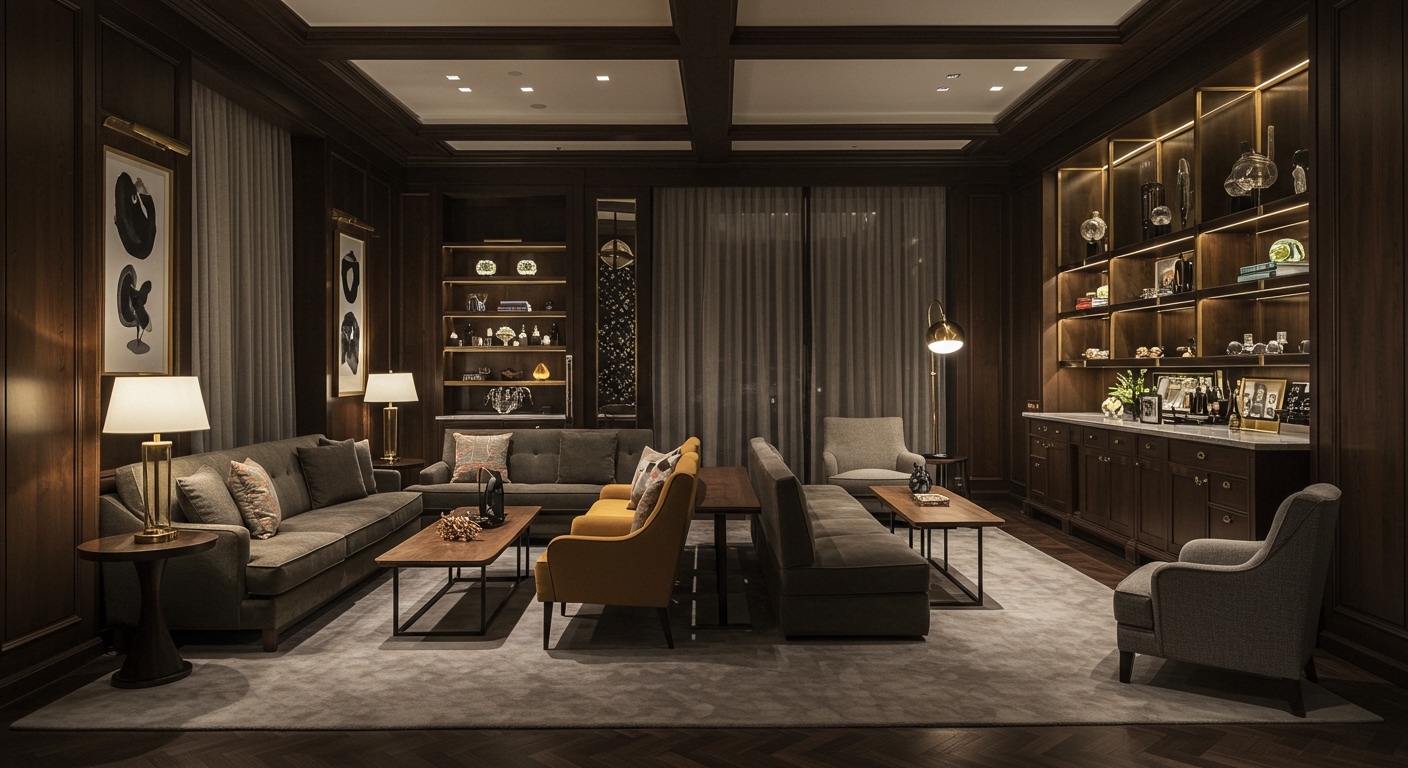
Busta Studio’s stated aim for Kimpton Ashbel, to evoke a private residence, challenges the prevailing industry model that often prioritizes visual perfection and brand uniformity over lived-in comfort. Mainstream luxury hotel design frequently pursues a sterile, aspirational aesthetic, emphasizing pristine surfaces and grand gestures. However, the true luxury presented here is the controlled imperfection and historical layering inherent in a genuine home, a concept corporate hospitality standards often dilute in their pursuit of replicable experiences. This focus on the tactile and the genuinely curated, even if less immediately “instagrammable,” creates a richer human flow within the space. By late 2027, luxury residential developers will increasingly commission interior designers not for a signature aesthetic, but for their ability to source specific, non-mass-produced objects and materials from regional artisans, moving away from off-the-shelf luxury product lines.
This refined approach faces considerable resistance from global hospitality conglomerates and commercial developers. Their operational models prioritize efficiency of replication, standardized material procurement, and quantifiable returns on investment. The bespoke sourcing, nuanced material selections, and site-specific artistic curation inherent in this emerging trend introduce perceived risks and complexities that challenge established development timelines and cost structures, pushing back against deviation from proven, scalable formulas.
Interior professionals should immediately reassess their initial concept development phases. Rather than commencing with mood boards populated by aesthetic trends, professionals must identify a primary, locally significant material—be it a specific timber, regional stone, or a historically relevant ceramic—and allow its inherent properties and textural qualities to inform the core material palette and spatial layout. Engaging directly with the physical material first establishes an authentic grounding for the entire design.
TL;DR
Nuanced material dialogue and authentic local context are reshaping luxury interior design beyond superficial themes.
Curated References
About this editorial — This piece was developed using AI-assisted research and curation across multiple industry sources. All analysis, opinions, and predictions represent the editorial perspective of JHDD. Sources are linked in the references section above.