JHDD Interior Report — 2026.08.12
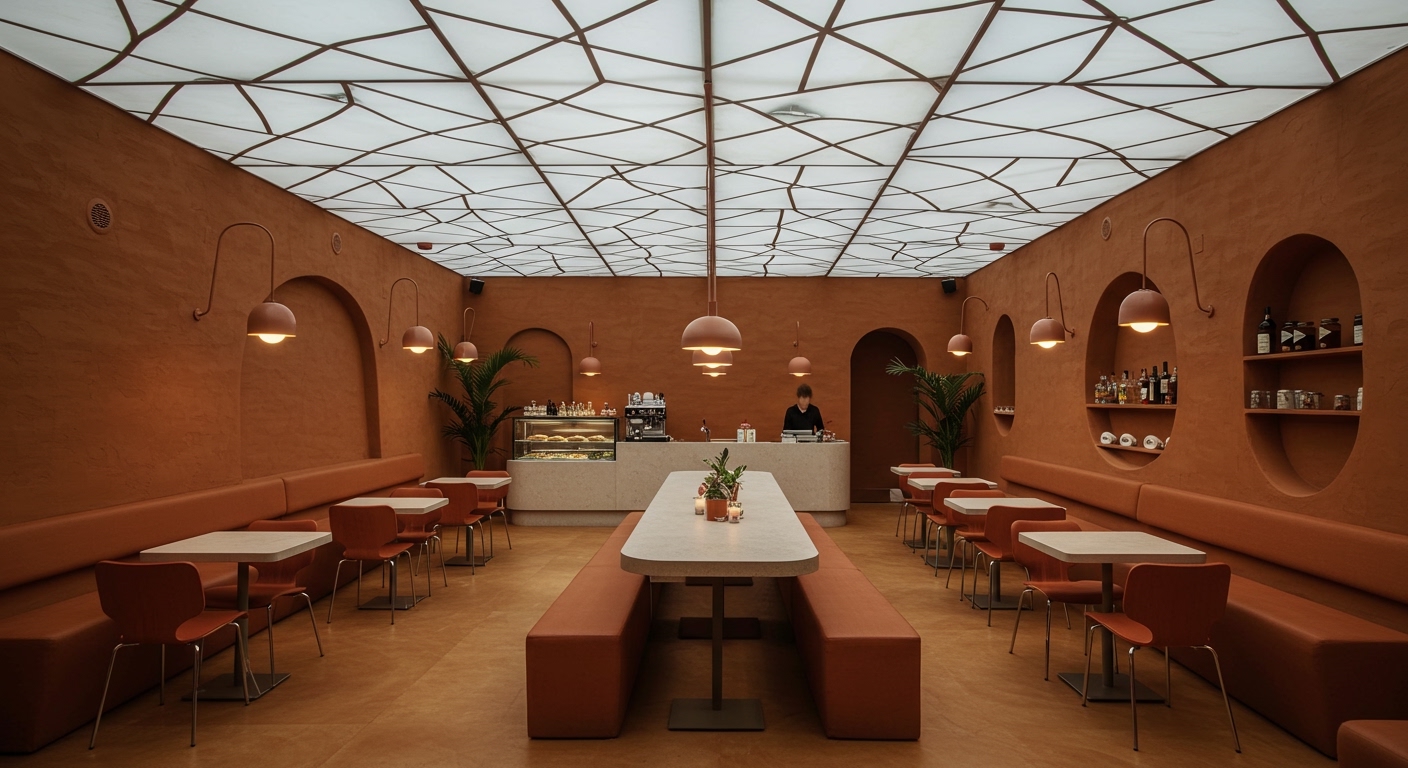
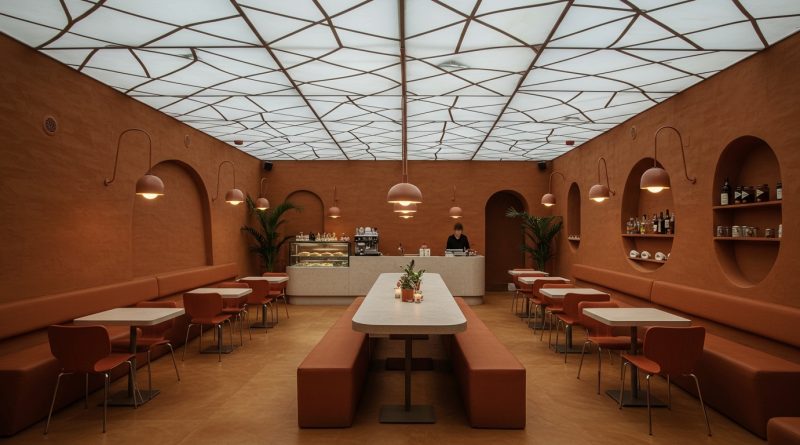
EBBA Architects’ Cup of Joy cafe in Marylebone employs clay plaster and an opaque-glass ceiling to evoke the distinct feeling of a sun-dappled courtyard.
Across recent projects, there is a clear, emergent pattern of deliberate spatial specificity rooted in material honesty and an uncompromising focus on the human sensory experience. This trend prioritizes tangible texture and nuanced light dynamics over generic visual appeal, crafting environments that demand physical presence rather than simply photographic documentation. The industry is quietly acknowledging that truly impactful spaces communicate through felt experience, not merely through rendered perfection.
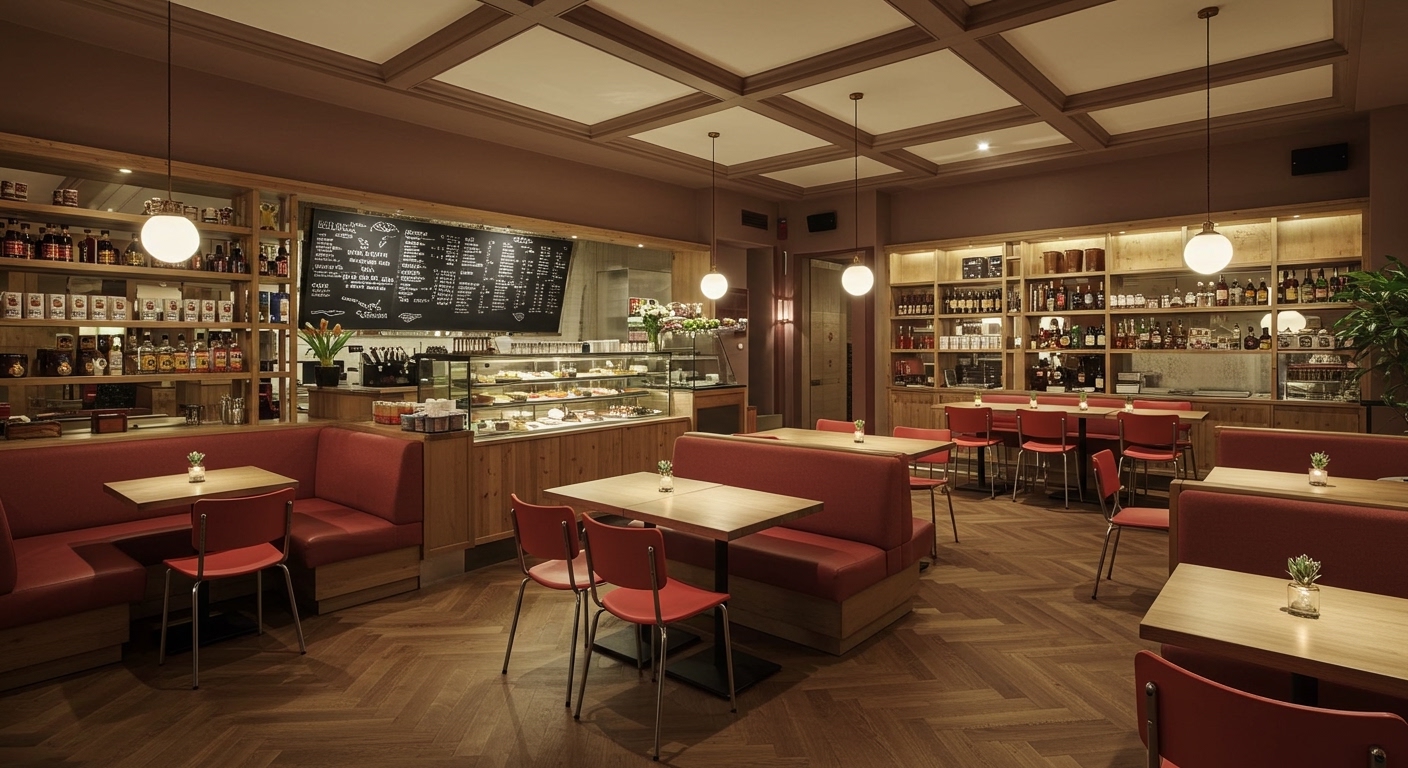
Consider I IN’s design for the Human Made store in Seoul, which uses handcrafted Korean celadon tiles, a detail that immediately anchors the space in a specific cultural and tactile tradition. Mainstream retail design often pushes for scalable, digitally reproducible aesthetics and a globalized material palette, aiming for brand consistency across all locations. This conventional wisdom assumes that a predictable aesthetic fosters immediate brand recognition and operational efficiency. However, such an approach often sacrifices unique spatial tension and rich tactile qualities, leading to environments that are aesthetically sterile and ultimately forgettable, despite their supposed consistency. I IN’s choice, by contrast, creates a “powerful presence” precisely because it resists easy duplication and leans into the inherent irregularities, variations in sheen, and depth of artisanal work, providing a more profound, haptic connection to the brand’s philosophy and a unique human flow through a highly particularized material landscape.
This commitment to deeply integrated materiality and authentic craft signals a significant recalibration in how luxury interiors are conceived and experienced. The juxtaposed industrial-style gridded ceiling with playful animal sculptures in the Human Made store further exemplifies a deliberate tension, preventing the handcrafted tiles from feeling overly precious or historical, instead imbuing the space with a dynamic dialogue between past and future. The mandate for AI-generated architectural renderings to be labelled under the EU AI Act highlights the growing imperative for transparency regarding visual authenticity in design communication. This regulatory push underscores a broader industry pivot: if even digital representations must declare their nature, then physical spaces must doubly ensure their material integrity and experiential honesty, compelling designers to deliver genuine spatial experiences. By late 2027, luxury commercial and residential clients will actively seek out designers capable of delivering highly localized, artisanal material expressions and bespoke spatial narratives that defy easy digital mimicry, directly impacting project budgets and material sourcing strategies and shifting focus from visual spectacle to visceral engagement.
The primary resistance to this shift comes not from ideological opposition, but from entrenched industry supply chains and procurement models that prioritize volume, standardization, and cost-efficiency. These systems often struggle to accommodate the bespoke, the handcrafted, and the locally sourced materials that are integral to creating truly unique, tactile spaces, thus limiting options for designers who wish to move beyond the easily replicable.
Interior professionals should dedicate time each week to physically engage with material samples beyond digital catalogs. This means visiting local stone yards, fabricators, artisan workshops, and specialized showrooms to personally feel textures, observe light interaction, and understand the provenance of materials. This direct engagement fosters a more intuitive understanding of spatial tension and tactile quality that cannot be gained through a screen.
TL;DR
Design is shifting to prioritize tangible material authenticity and spatial tactility over standardized digital representations.
Curated References



About this editorial — This piece was developed using AI-assisted research and curation across multiple industry sources. All analysis, opinions, and predictions represent the editorial perspective of JHDD. Sources are linked in the references section above.