JHDD Interior Report — 2026.08.11
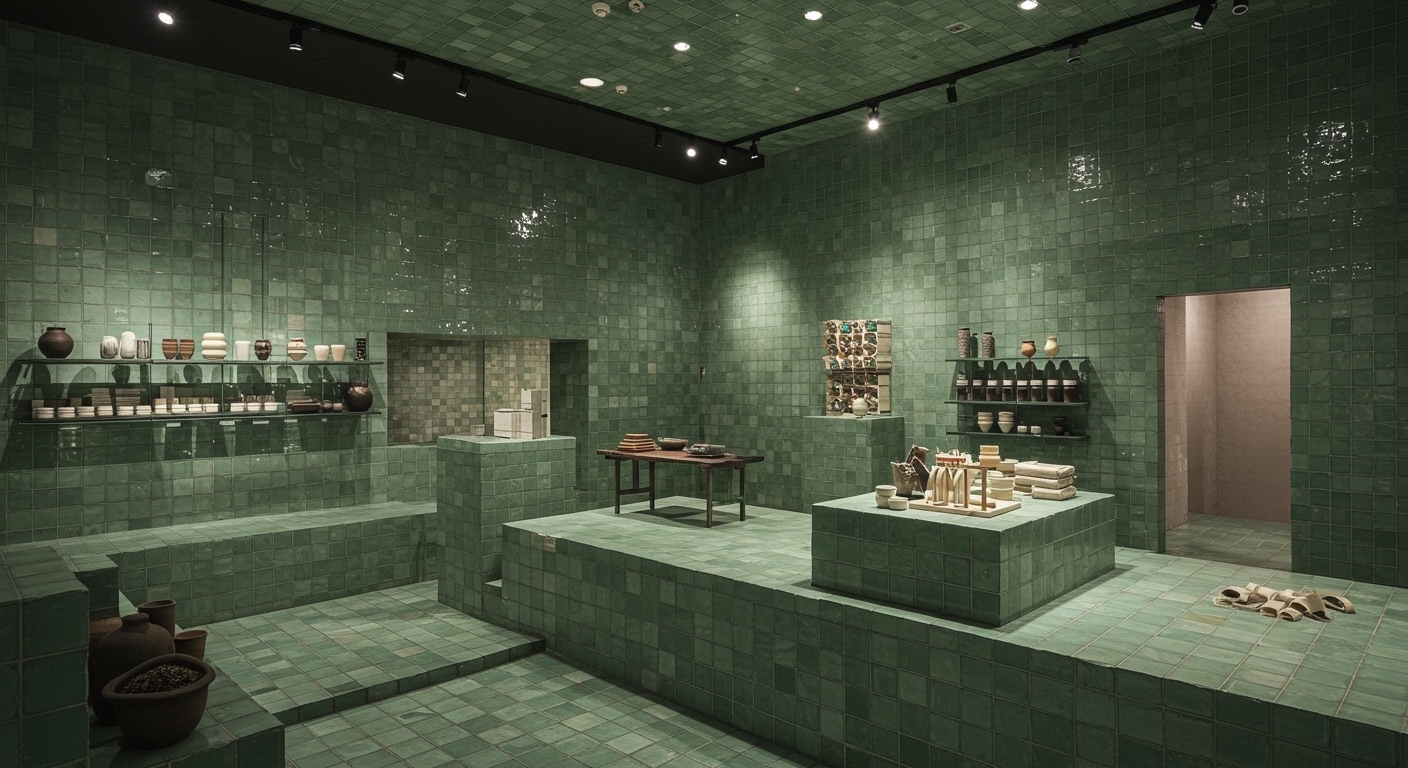
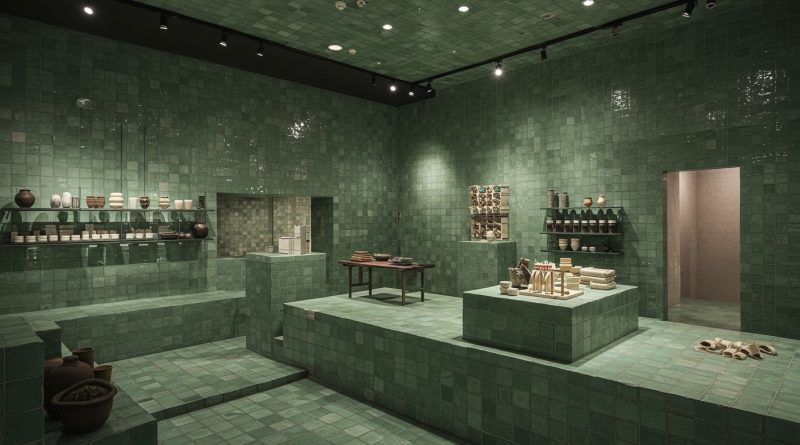
Tokyo studio I IN clad the Human Made store in Seoul with handcrafted Korean celadon tiles, embedding a philosophy that links future design to past craft.
Current projects demonstrate a quiet conflict between spatial perfection and genuine human experience. While tools like AI are policed for realistic renderings under the EU AI Act, pushing the boundaries of visual fidelity, actual built spaces are increasingly leaning into authentic, often imperfect, materiality and deliberately controlled sensory environments. This implies a systemic shift away from idealized visual consumption towards a more grounded, tactile engagement with interior space.
Consider the approach taken by I IN in the Human Made store. Their decision to use handcrafted Korean celadon tiles with a “powerful presence” directly counters the industry’s widespread move towards sleek, often uniform, surfaces that prioritize visual cleanliness over inherent texture or narrative. The conventional wisdom often posits that luxury spaces should feature pristine, uninterrupted finishes, ensuring a seamless aesthetic. This view, however, overlooks the human desire for discernible craft and material depth. The integration of an industrial-style gridded ceiling alongside these tiles further introduces a tactile tension, suggesting that comfort lies not in homogeneity but in the thoughtful juxtaposition of distinct material languages.
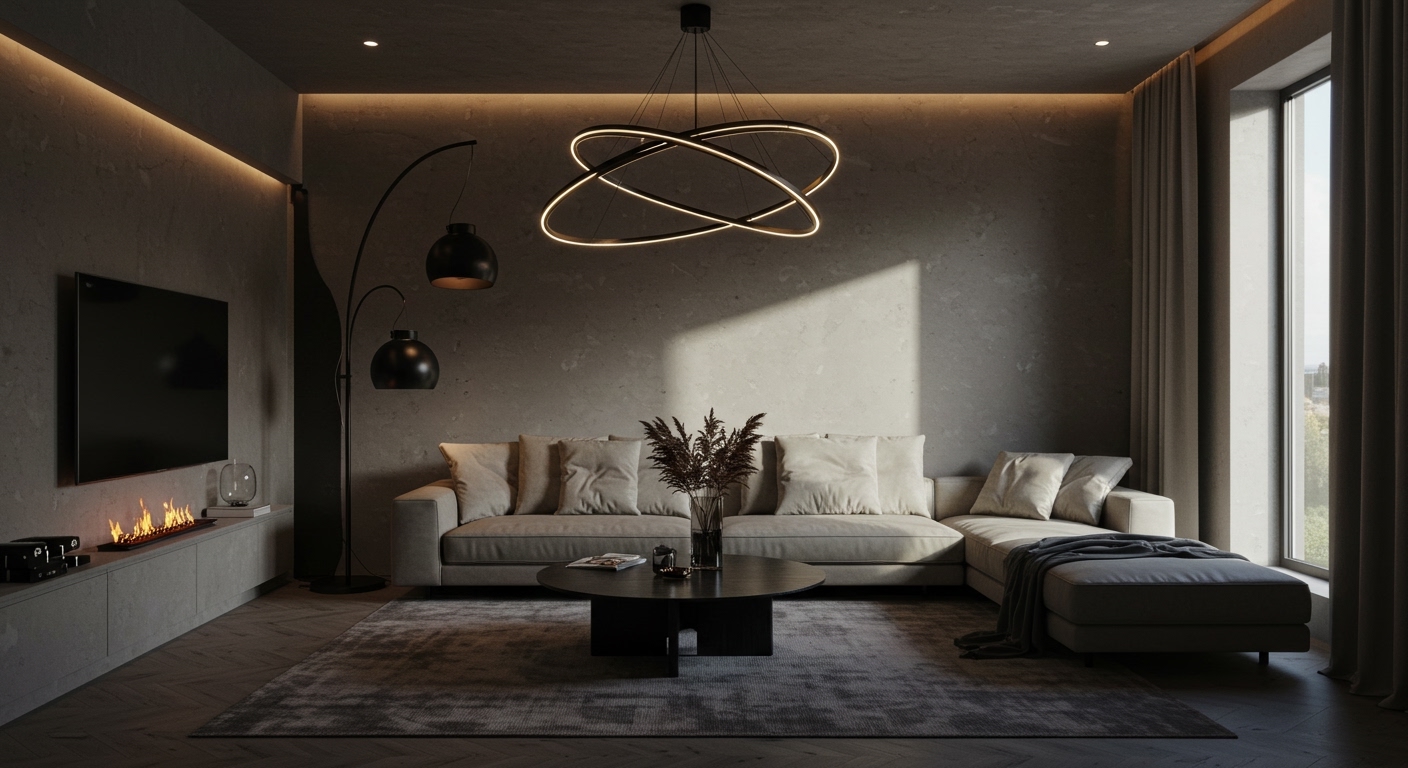
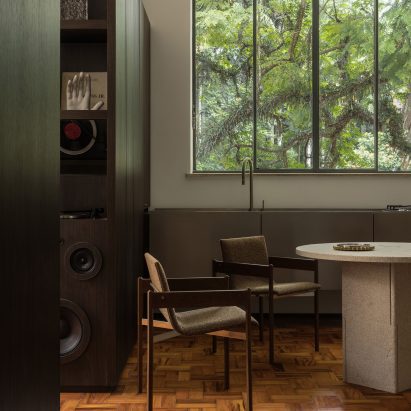
This emphasis on tangible, often irregular, material quality extends beyond mere aesthetics; it impacts how people move and engage with a space. In a “white noise” apartment for Casacor 2026, Cyro Arquitetura designed an environment to remove distractions and promote focus, using spatial control rather than purely visual spectacle. This reflects a growing need for interiors that actively curate sensory input. By mid-2027, the specification of materials with rich haptic qualities and visible craft will become a primary driver for luxury residential and retail projects, moving beyond current trends that often merely reference “tactile” through surface treatments. This shift will favor materials that inherently absorb or reflect light and sound in nuanced ways, challenging the dominance of high-gloss, smooth finishes.
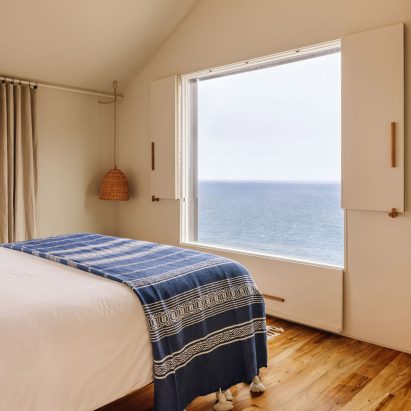
The persistent drive for photographic perfection, reinforced by tools that generate hyper-realistic architectural renderings, presents a counter-current. This visual bias, often fueled by marketing and social media, prioritizes the two-dimensional image of a space over its lived, three-dimensional reality. The industry’s reliance on ‘picture windows’ that frame “picture-perfect views,” as seen in various contemporary living spaces, similarly emphasizes a detached, curated visual experience rather than a direct, unmediated engagement with the external environment or the inherent qualities of the interior.
Interior professionals should actively seek out material suppliers who can articulate the provenance and production story of their products, particularly those involving artisanal techniques or sustainable resource management. Engage clients beyond the visual presentation of samples, focusing instead on the physical handling and sensory experience of proposed materials, encouraging them to consider how a surface feels, how it resonates, and how it subtly changes over time. This approach moves beyond purely aesthetic appeal to cultivate a deeper, more enduring connection between occupant and environment.
TL;DR
The drive for authentic, tactile material experiences and curated spatial environments is challenging the dominance of purely visual perfection in interior design.
Curated References

About this editorial — This piece was developed using AI-assisted research and curation across multiple industry sources. All analysis, opinions, and predictions represent the editorial perspective of JHDD. Sources are linked in the references section above.