JHDD Interior Report — 2026.08.09
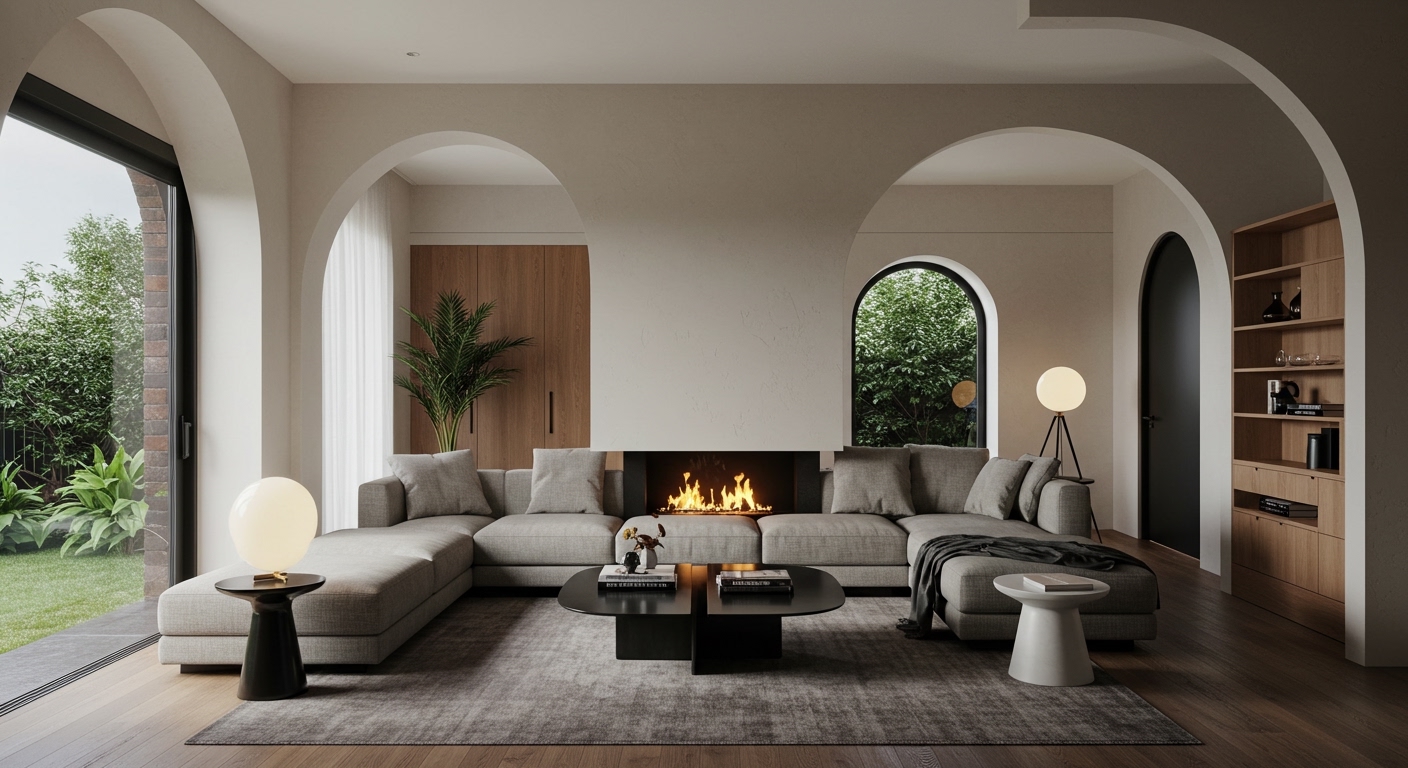
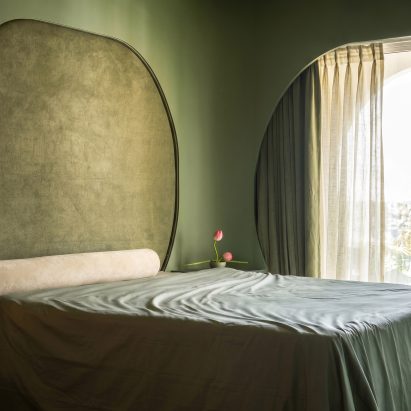
Crissy Zhang Design’s transformation of the Parkhill residence in Melbourne utilized arched forms to redefine its internal spatial layout.
These recent projects collectively illustrate a distinct shift in how high-end interiors are conceived: through the strategic deployment of historical, natural, or conceptual narratives as the primary driver for spatial and material choices. Each design goes beyond surface aesthetics, aiming instead to craft immersive environments that resonate with a deeper, often more personal, ‘story’ for the occupants. This approach intentionally prioritizes a sensory and tactile engagement over purely visual statements.
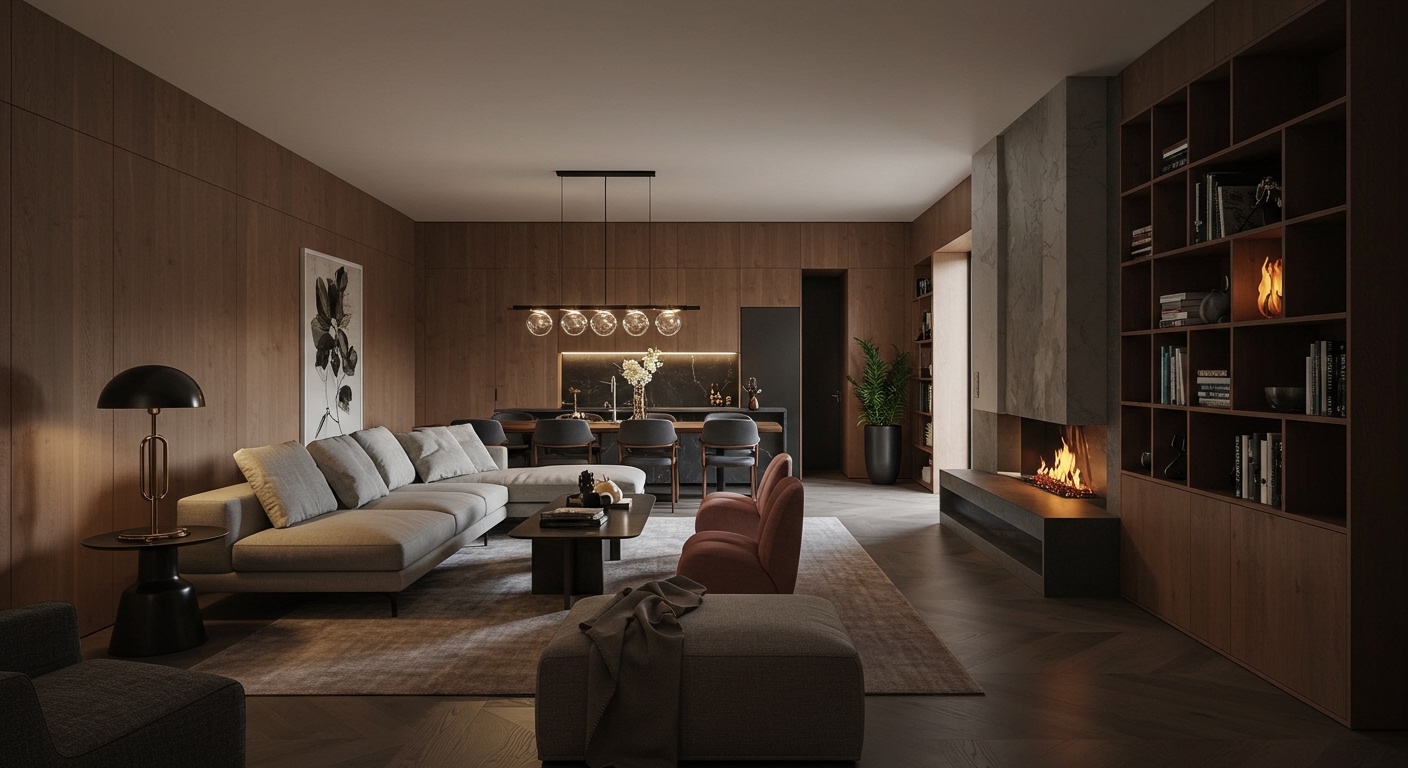
Joyce Wang’s interior renovation at the Mandarin Oriental The Landmark in Hong Kong drew on “colonial country manors” for its inspiration. Conventional industry wisdom frequently links luxury with sleek minimalism or overt modernism, often viewing historical references as a form of nostalgic pastiche. This overlooks the nuanced power of such influences. Wang’s method, like others, employs a historical narrative not for literal replication, but as a conceptual framework to evoke a particular spatial tension and tactile richness. It is not about adopting an outdated style; it is about tapping into the accumulated layers of human experience and memory embedded in specific material and spatial archetypes, providing a grounded counterpoint to the often-shallow pursuit of newness.
The perceived conflict between drawing from historical styles and achieving contemporary luxury is a false dichotomy. These designs demonstrate that a deep understanding and re-contextualization of cultural and historical narratives can produce spaces that feel profoundly relevant and uniquely luxurious. This engagement with narrative ensures a multi-sensory experience, integrating human flow with materiality in a way that purely aesthetic-driven design often misses. By late 2027, this strategic re-contextualization of established design influences will see a measurable increase in commissions for projects that prioritize ‘evocative resonance’ over strictly ‘future-forward aesthetics’ in both luxury residential and high-end hospitality sectors.
The most significant opposing force to this trend comes from the relentless pressure of fast-paced media cycles and brand marketing departments. These entities often push for projects to be presented as entirely novel or radically innovative. This constant demand for ‘newness’ frequently discourages designers from openly acknowledging or deeply exploring the conceptual and historical roots that truly inform their spatial and material decisions.
Interior professionals should, starting this week, articulate to clients how specific material choices, tactile qualities, and spatial configurations contribute to a deeper, more intangible narrative or sensory experience. This means moving beyond merely describing visual appeal or functional attributes, and instead focusing on the story and feeling the space is intended to convey.
TL;DR
Design is increasingly leveraging conceptual narratives and tactile materials to define spatial quality and human experience.
Curated References


About this editorial — This piece was developed using AI-assisted research and curation across multiple industry sources. All analysis, opinions, and predictions represent the editorial perspective of JHDD. Sources are linked in the references section above.