JHDD Interior Report — 2026.07.25
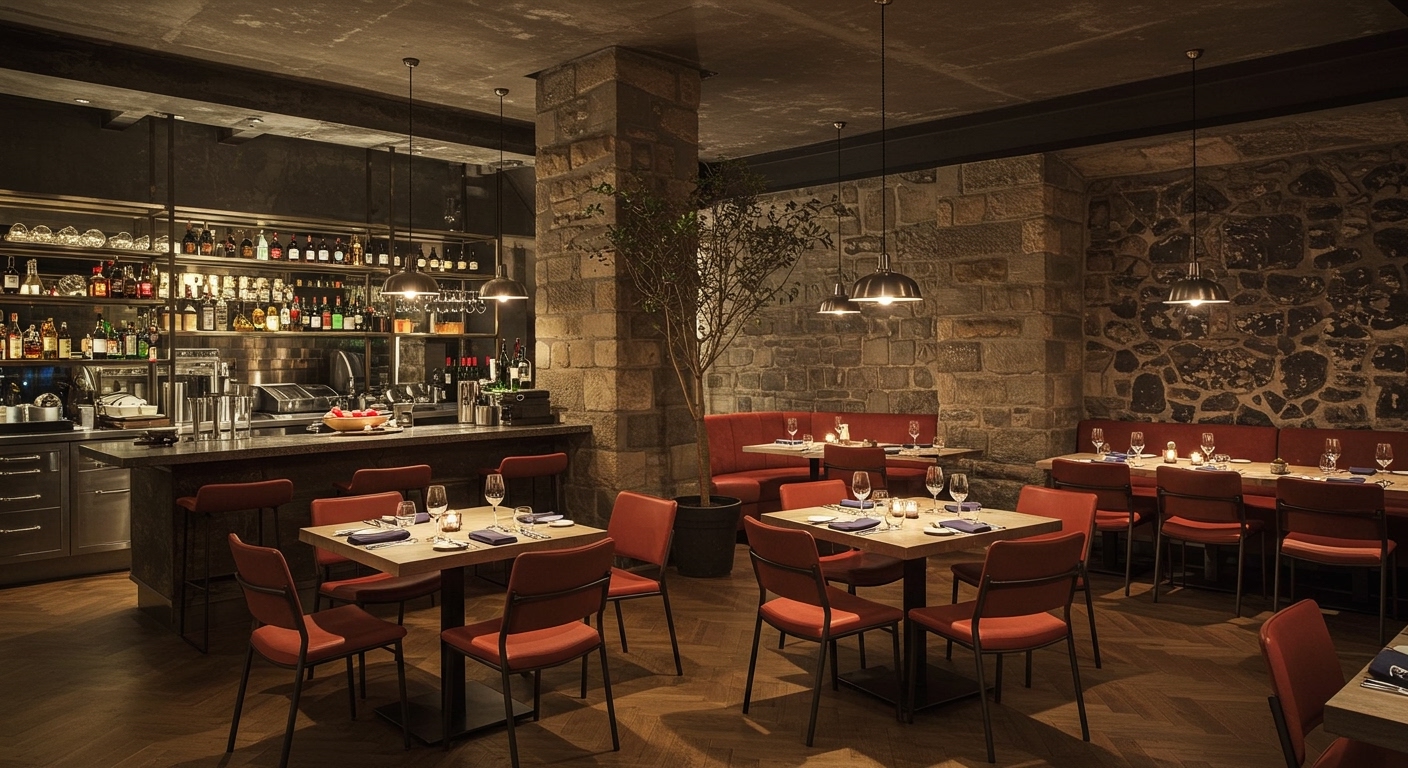
Red Deer’s Zylia restaurant in London combines Gerolakkos stone and hand-crafted Lefkara lace with stainless steel. This specific project, alongside others like Joyce Wang Studio’s Genso and YSG’s Mojave desert-inspired warehouse in Sydney, reveals a pattern where contemporary luxury design actively integrates highly specific, often localized, and narrative-rich materials or spatial concepts within existing, repurposed structures. The focus shifts from general aesthetic coherence to the deliberate introduction of tactile and atmospheric tension derived from cultural or historical particularity.
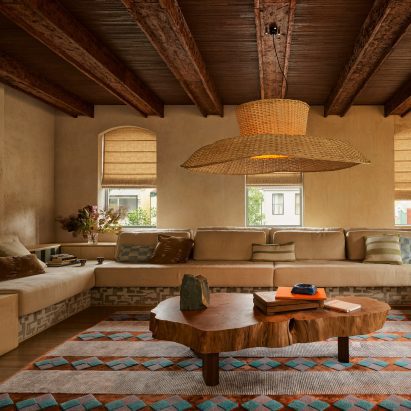
For instance, Red Deer’s Zylia restaurant juxtaposes ancient Cypriot stone and delicate lace against stainless steel and oversized basket lamps. This is not merely a decorative nod; it is a calculated material friction that impacts human flow and tactile engagement. The raw, grounding stone meets the intricate, vulnerable lace, while the steel introduces a cool, industrial precision. Mainstream industry often prioritizes a harmonious material palette, aiming for seamless transitions and visual comfort. This perspective overlooks the profound impact of intentional dissonance. The tension created at Zylia forces occupants to confront disparate textures and origins, provoking a more complex sensory experience than a unified, “perfect” surface could ever achieve.
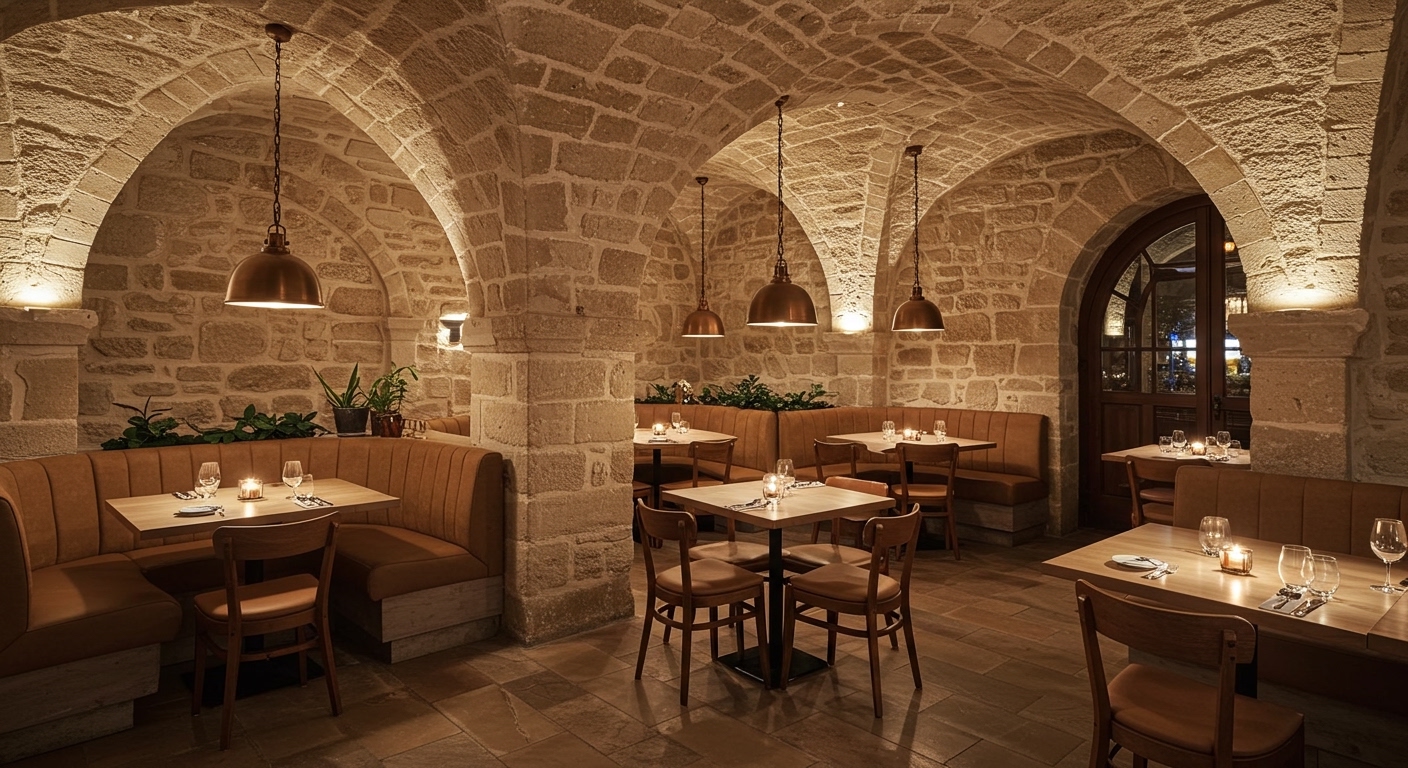
Similarly, Joyce Wang Studio’s Genso restaurant in Hong Kong recreates the compressed, layered environment of Tokyo’s Golden Gai with alley-like walkways and lanterns. This design directly challenges the conventional luxury expectation of open, expansive dining areas. Instead, it guides guests through a sequence of intimate, slightly constrained zones, enhancing the tactile quality of the surfaces and the sense of discovery. The deliberate spatial compression, far from being a limitation, becomes a defining luxury, offering a curated experience of privacy and nuanced materiality. By mid-2027, the demand for such intentionally “uncomfortable” or challenging luxury spaces will increase, pushing designers to develop new models for integrating psychological spatial tension into high-end environments, moving beyond purely aesthetic considerations.
The primary resistance to this specific design philosophy emanates from the corporate hospitality sector and large-scale residential developers. Their business models frequently rely on replicable design formulas and economies of scale, where the custom sourcing of specialized materials or the integration of bespoke artisanal techniques presents significant logistical and financial hurdles. The drive for fast, globally recognizable luxury often prioritizes brand consistency over site-specific material narratives.
An interior professional should dedicate significant project inception time to immersive research into a site’s latent material and cultural narratives, actively seeking out local suppliers, artisans, and historical data points. This information should then be deliberately introduced into the design process to create intentional material tension and compelling spatial friction, rather than merely seeking complementary finishes or abstract conceptual themes.
TL;DR
Contemporary luxury design integrates highly specific local materials and spatial narratives to create profound tactile and atmospheric tension within adaptive reuse projects.
Curated References



About this editorial — This piece was developed using AI-assisted research and curation across multiple industry sources. All analysis, opinions, and predictions represent the editorial perspective of JHDD. Sources are linked in the references section above.