JHDD Branding Report — 2026.10.17
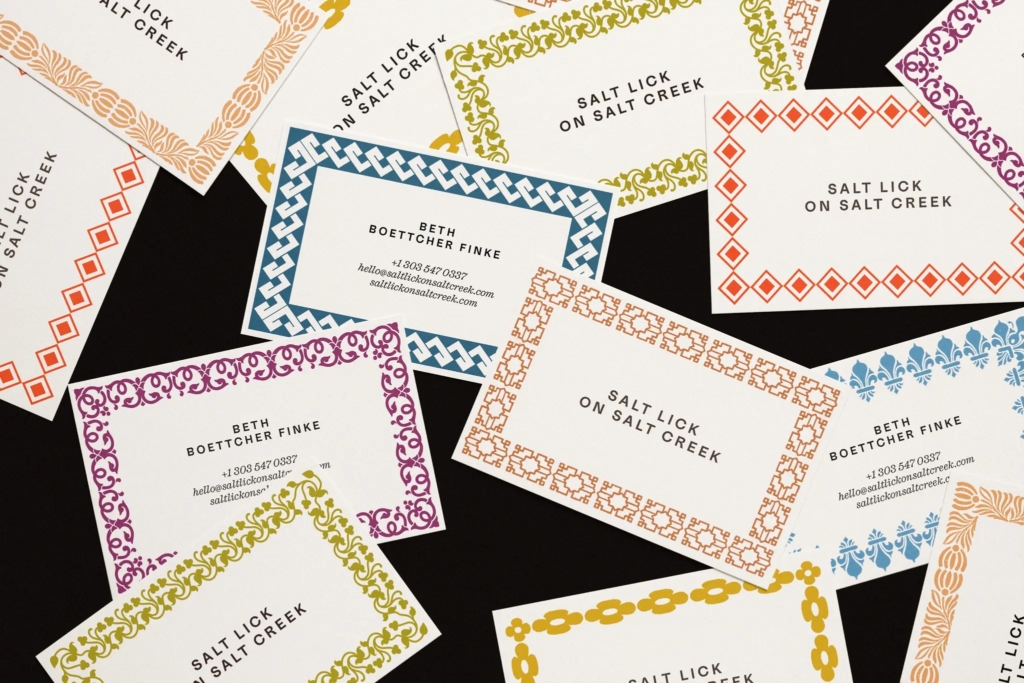
The identity for Salt Lick on Salt Creek by Order left one reviewer unsure what the brand actually was, despite its design history-steeped aesthetic.
This uncertainty highlights a broader market tension where brand identities increasingly operate on a spectrum between immediate, functional clarity and layered, culturally-nuanced ambiguity. Whether it is DNCO establishing Vermont’s foundational consumer tourism identity or All Purpose defining Two Tribes Brewing’s “craft” signal while rejecting its clichés, brands are either striving for basic recognition or deliberately playing with established category codes to carve out distinct cultural positions. This creates a challenging environment for market positioning, where explicit meaning is sometimes sacrificed for a richer, more elusive brand equity.
The conventional wisdom in branding often prioritizes rapid recognition and clear communication, particularly for new ventures or products aiming for broad market penetration. However, brands like Salt Lick on Salt Creek, with its sophisticated but opaque identity from Order, suggest a different path. This approach implies that an initial lack of direct product clarity can, paradoxically, build a more robust brand equity among specific audiences. By inviting curiosity and demanding a deeper engagement to understand “what it actually is,” such brands cultivate an exclusive appeal. This contradicts the mainstream belief that a brand’s primary task is always to explain itself instantly. Instead, for certain market segments, the act of discovery becomes part of the value proposition, rewarding those who invest the cognitive effort.
This strategy leans heavily on cultural signals, positioning the brand as discerning, intelligent, or part of an insider group, rather than immediately accessible. Its success depends on the brand’s ability to maintain intrigue without alienating potential customers entirely. Within the next two years, market data will increasingly demonstrate that brands deliberately leveraging ambiguity to signal sophistication will outperform their explicitly clear counterparts in niche, high-value segments, compelling agencies to develop more nuanced “slow reveal” visual identity systems.
The primary force resisting this trend toward ambiguity is the accelerating demand for frictionless consumer journeys and the shrinking attention spans fostered by digital content consumption. Brands operating in fast-moving consumer goods or those requiring rapid mass adoption find that any friction in understanding can directly translate to lost sales. This pragmatic imperative, where clarity directly impacts conversion rates, continually pushes against the more artistic, culturally-driven explorations of brand identity.
Branding professionals should implement a tiered clarity framework during the strategy phase. This involves explicitly defining at what point in the customer journey and for which audience segments the brand should prioritize direct communication versus enabling discovery. Design teams must then develop visual identity systems capable of expressing both immediate category cues and deeper, more nuanced cultural signals, ensuring that complexity is a deliberate strategic choice, not an accidental byproduct.
TL;DR
Strategic ambiguity in branding can build deep cultural equity, challenging the traditional emphasis on immediate clarity.
Curated References
About this editorial — This piece was developed using AI-assisted research and curation across multiple industry sources. All analysis, opinions, and predictions represent the editorial perspective of JHDD. Sources are linked in the references section above.