JHDD Branding Report — 2026.10.15
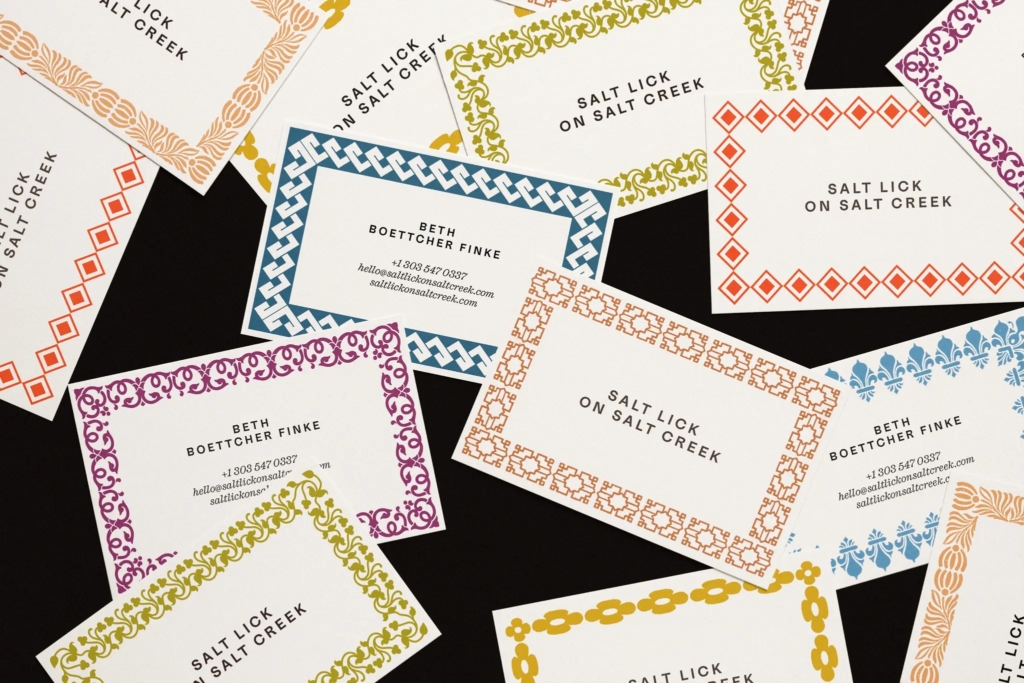
The identity for Salt Lick on Salt Creek, designed by Order, raises a direct question about what the brand actually offers.
This perceived ambiguity is not unique to Salt Lick. Across diverse categories, from food services like Mirá bakery to digital platforms such as Franki, visual identity systems are increasingly diverging from immediate product or service communication. Brands are using cultural signals and aesthetic depth to carve out market positioning, sometimes deliberately resisting the explicit clarity traditionally expected in commercial design. This shift indicates a strategic move towards building brand equity through layered meaning rather than overt function.
The design for Salt Lick on Salt Creek, crafted by Order, is notably described as “delightfully design history-steeped,” yet the accompanying commentary highlights how it actively prolongs the process of discerning the brand’s core offering. This scenario directly confronts conventional industry wisdom, which generally dictates that a brand’s visual identity must deliver instant recognition and explicit category cues. The mainstream view posits that such clarity is a fundamental prerequisite for effective market positioning, consumer trust, and efficient purchasing pathways, ultimately underpinning strong brand equity. This foundational belief prioritizes frictionless communication to maximize broad appeal and minimize cognitive load for the consumer.
However, this clarity-first perspective increasingly overlooks a deliberate strategic intent observed across the market. For brands like Salt Lick, the calculated resistance to immediate product identification functions as a sophisticated filter, making ambiguity a strategic asset rather than a design flaw. This approach signals a brand that values narrative depth, aesthetic sophistication, and a discerning audience over instant commodification. It cultivates a distinct form of brand equity, one rooted in intrigue and a shared cultural literacy with its intended consumer base. The identity itself becomes a cultural signal, drawing in individuals who appreciate its specific stylistic references and are willing to invest a moment in deciphering its proposition, while subtly deterring those who prefer straightforward transactional experiences. This calculated engagement allows the brand to establish a unique market position, conveying a higher perceived value and fostering deeper loyalty among its chosen demographic. By mid-2027, more brands in competitive lifestyle and experience-driven categories will intentionally deploy visual systems that prioritize cultural signaling and complex narrative over transparent product communication, solidifying this nuanced approach to brand building.
This emergent strategy for building brand equity through intentional ambiguity faces significant resistance from established commercial models and mass-market entities. These organizations, often driven by traditional marketing KPIs focused on broad appeal, rapid conversion, and immediate sales volume, perceive any form of visual communication that introduces friction or requires interpretation as counterproductive. Their brand and visual identity systems are meticulously engineered for universal and instant comprehension, designed to resonate with the widest possible demographic without demanding any interpretive effort. For them, clarity is not just a preference but a critical operational imperative to maintain market share and deliver consistent short-term returns.
Branding professionals must move beyond category benchmarking that merely seeks to conform or slightly differentiate. A more impactful approach involves conducting rigorous cultural audits that extend beyond demographic data, delving into specific subcultures, emergent aesthetic movements, and community-centric visual languages. The objective is to unearth signals that can be subtly integrated into an identity system, creating affinity with a specific audience without overtly stating the product or service. This requires a shift in mindset: instead of asking “How clear is this brand?” the question becomes “What specific cultural signal does this brand transmit, and to whom?” This strategic pivot enables the design of identities that build profound cultural equity and secure unique market positioning.
TL;DR
Brand identities are strategically embracing ambiguity and cultural signals to build deeper equity and target specific audiences, challenging the traditional demand for immediate clarity.
Curated References



About this editorial — This piece was developed using AI-assisted research and curation across multiple industry sources. All analysis, opinions, and predictions represent the editorial perspective of JHDD. Sources are linked in the references section above.