JHDD Branding Report — 2026.10.11
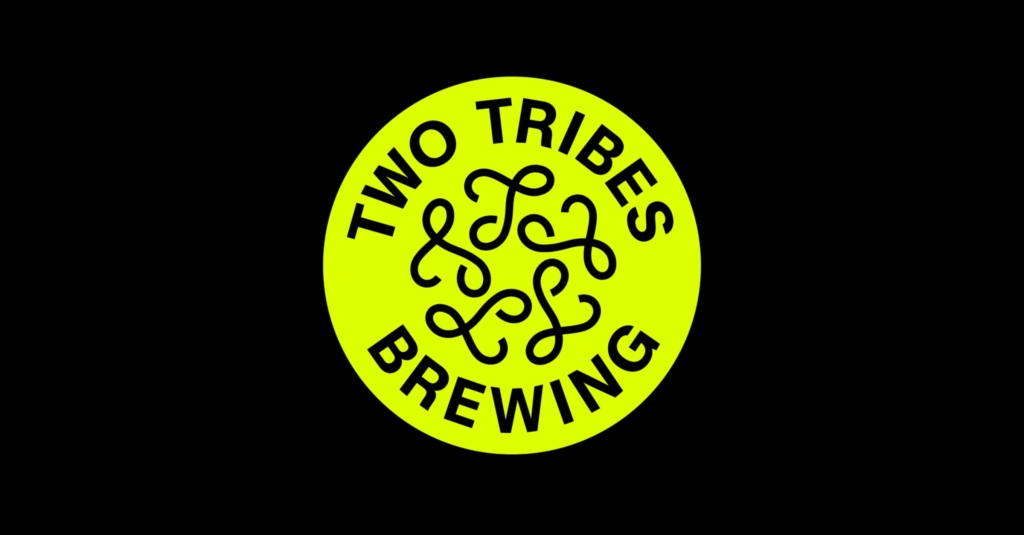
All Purpose’s identity for Two Tribes Brewing, founded by veterans of London’s 1990s club scene, challenges the conventional visual language of craft beer.
Across disparate categories from restaurant apps to meal kits, a clear pattern emerges: brands are strategically adopting visual and tonal systems that subtly contradict their established category cues. This involves leveraging a specific, often idiosyncratic personality to build connection, rather than conforming to expected aesthetic norms. The goal appears to be differentiation through a controlled sense of disjunction, creating an unexpected but engaging brand experience.
The work by All Purpose for Two Tribes Brewing exemplifies this strategic contradiction. While described as “resolutely ‘craft’,” its identity actively “turns its back on all which that signifies.” Mainstream industry opinion often prioritizes visual clarity and immediate category recognition, fearing that such deliberate dissonance will confuse consumers or alienate a broader audience. However, this view overlooks the potency of targeted cultural resonance. Brands like Two Tribes are not aiming for universal appeal; they are cultivating a distinct subcultural loyalty by signaling an insider understanding, a knowing wink to those who share their specific sensibilities. This approach builds deep, sticky brand equity with a defined audience, which is often more valuable than shallow, wide reach.
The strategic embrace of aesthetic contradiction represents a refined understanding of market positioning in saturated categories. It allows brands to stand out by performing a kind of visual jujitsu, using category expectations against themselves to create intrigue. Rather than merely reflecting trends, these brands are shaping micro-trends within their niches. This shift suggests that by late 2027, the design industry will observe a proliferation of “anti-genre” branding, where visual identities for consumer products deliberately borrow from adjacent or even opposing cultural territories to carve out unique market space.
The primary resistance to this approach comes from large legacy organizations and venture-backed entities prioritizing rapid, scalable growth above all else. These entities often rely on extensive quantitative market research and broad demographic targeting, which typically favor safe, universally decipherable aesthetics. Brand guardians within these structures, often focused on risk aversion and maintaining traditional market share, find it difficult to sanction identities that might be perceived as niche or potentially polarizing. Their opposition stems from a perceived threat to established brand equity and the difficulty in measuring the ROI of deliberate contradiction through conventional metrics.
A branding professional should shift focus from purely competitive landscape analysis to a more expansive cultural mapping. Instead of only auditing direct competitors for visual cues, actively research and categorize aesthetic trends within adjacent and aspirational cultural spheres, even those seemingly unrelated to the client’s direct business. Develop mood boards and identity frameworks that deliberately incorporate elements from these tangential influences, testing how controlled incongruity can generate distinct brand personality and resonance.
TL;DR
Brands are using specific visual contradictions to build deep equity with targeted subcultures.
Curated References

About this editorial — This piece was developed using AI-assisted research and curation across multiple industry sources. All analysis, opinions, and predictions represent the editorial perspective of JHDD. Sources are linked in the references section above.