JHDD Branding Report — 2026.09.24
Mother Design’s brand identity for the psychic platform Keen taps into a 90s New Age sensibility, signaling a calculated departure from conventional branding strategies.
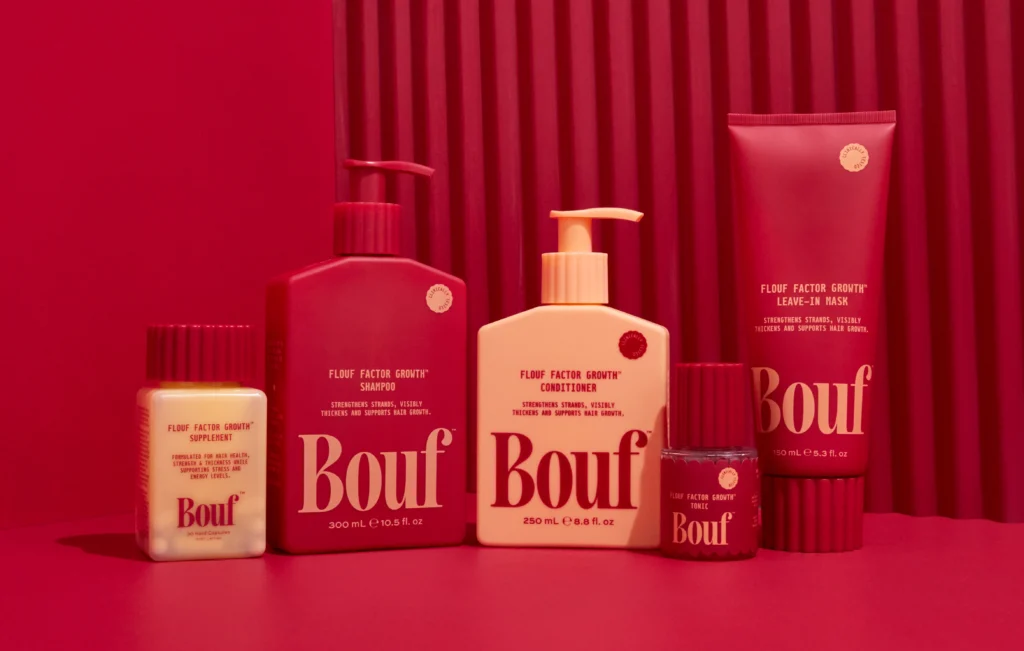
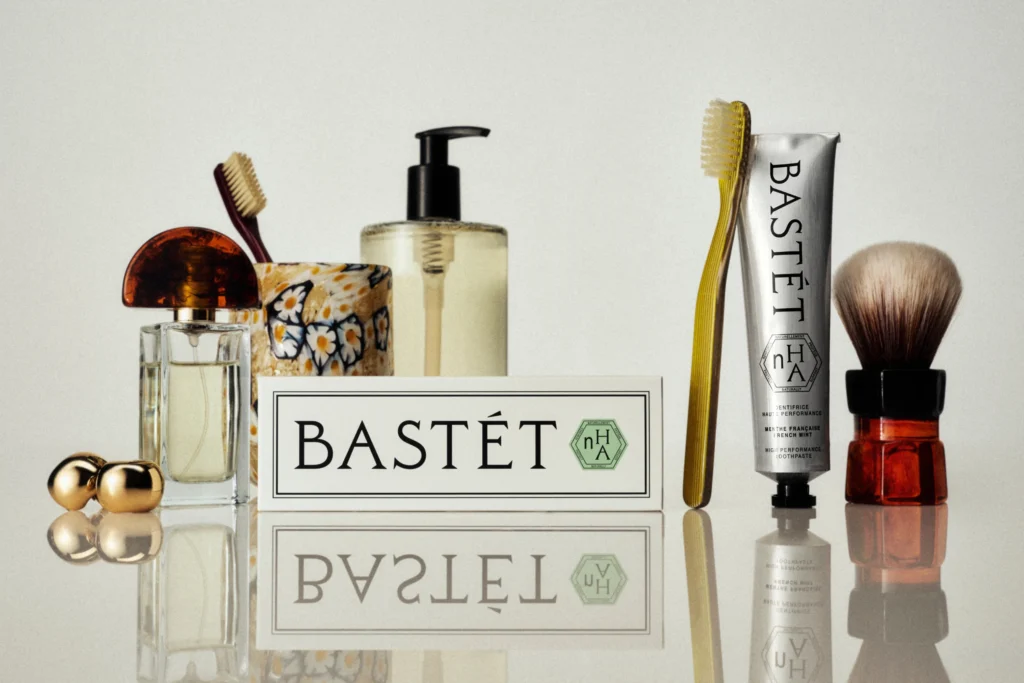
Across these recent projects, a clear pattern emerges where brands are intentionally distancing themselves from established category visual norms. Whether it is Bouf’s specific visual identity for postpartum hair loss or Wedge’s perplexing yet acclaimed design for Bastét toothpaste, the common thread is a deliberate subversion of immediate product association in favor of a deeper, often more evocative, cultural signal. This is not about confusion; it is about establishing distinct market positioning by challenging expected aesthetic cues, opting instead for resonant, unexpected visual identities.
Pentagram New York’s work for Mozilla’s editorial platform Nothing Personal exemplifies this shift. Rather than adhering to a sterile, functional aesthetic often associated with tech platforms emphasizing privacy and user control, the design is described as “surprisingly joyful.” Mainstream brand strategy often prioritizes direct functional communication and brand recognition through familiar visual cues, especially when dealing with complex, trust-sensitive topics like data privacy and AI. However, this approach suggests that emotional resonance and a differentiated aesthetic can build equity more effectively than pure informational clarity, particularly when the underlying values, such as Mozilla’s utopian internet ideals, are strong but abstract. The visual identity here acts as an invitation rather than a declaration, engaging users through an unexpected appeal to emotion and experience.
This strategy runs counter to the prevailing industry wisdom that dictates brands must simplify their messaging and visually align with category leaders to ensure broad appeal and easy consumer comprehension. Instead, these projects demonstrate that a carefully crafted, even counter-intuitive, visual identity can serve as a powerful differentiator and a magnet for specific, highly engaged audiences. By mid-2028, brand equity for companies that embrace deliberately “misplaced” or emotionally resonant visual identities will consistently outperform those that adhere strictly to category-standard aesthetics, provided their underlying product experience delivers on the implied promise.
The primary resistance to this trend comes from traditional marketing frameworks and risk-averse corporate structures that prioritize proven conversion metrics and direct sales funnels over long-term cultural resonance. Brand managers often face internal pressure to replicate perceived successes within their immediate competitive landscape, leading to homogenization rather than differentiation. Agencies operating on performance-based models frequently reinforce this by defaulting to safe, category-aligned visuals that promise immediate, measurable, albeit incremental, returns.
Branding professionals should dedicate a portion of their strategic work this week to auditing category visual archetypes, specifically identifying the common, unspoken rules that dictate design within a given market. Once identified, they must brainstorm deliberate, counter-intuitive visual identity concepts that still align with the brand’s core values but actively break from these established norms, then stress-test them with target audiences for emotional connection rather than just functional clarity.
TL;DR
Brands are building equity by using unexpected visual identities that diverge from category norms to create deeper cultural connections.
Curated References


About this editorial — This piece was developed using AI-assisted research and curation across multiple industry sources. All analysis, opinions, and predictions represent the editorial perspective of JHDD. Sources are linked in the references section above.