JHDD Branding Report — 2026.09.06
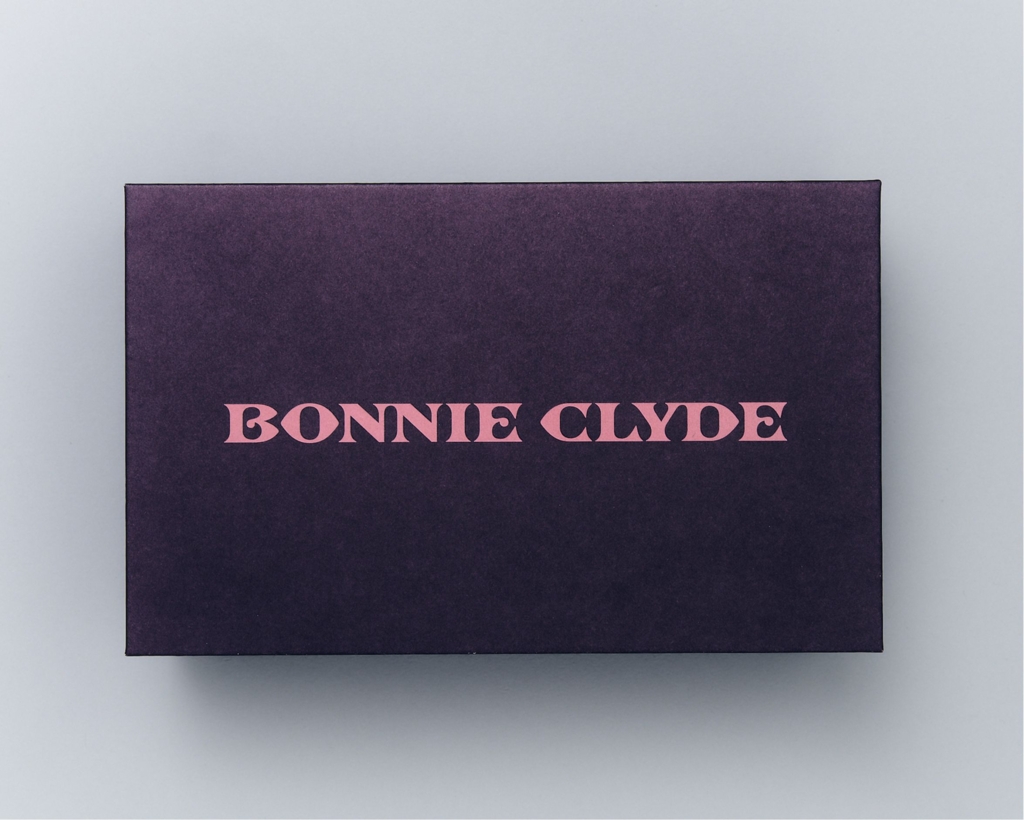
Mouthwash Studio’s identity for eyewear brand Bonnie Clyde features branding that swings between an “antiquey” feel and “Trewley Precious lash brand partnership” aesthetics.
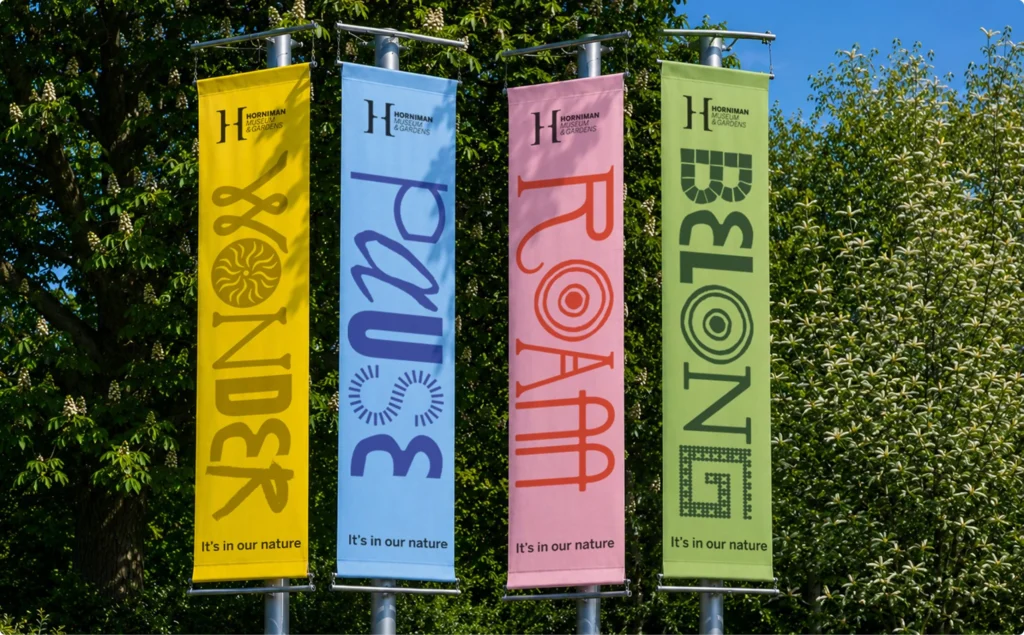
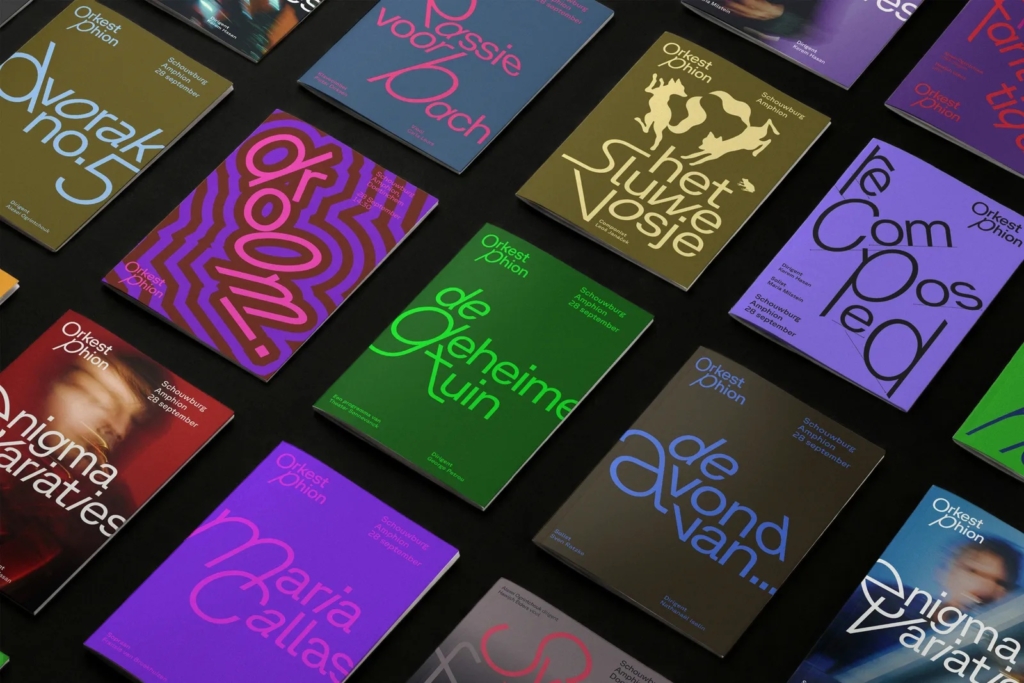
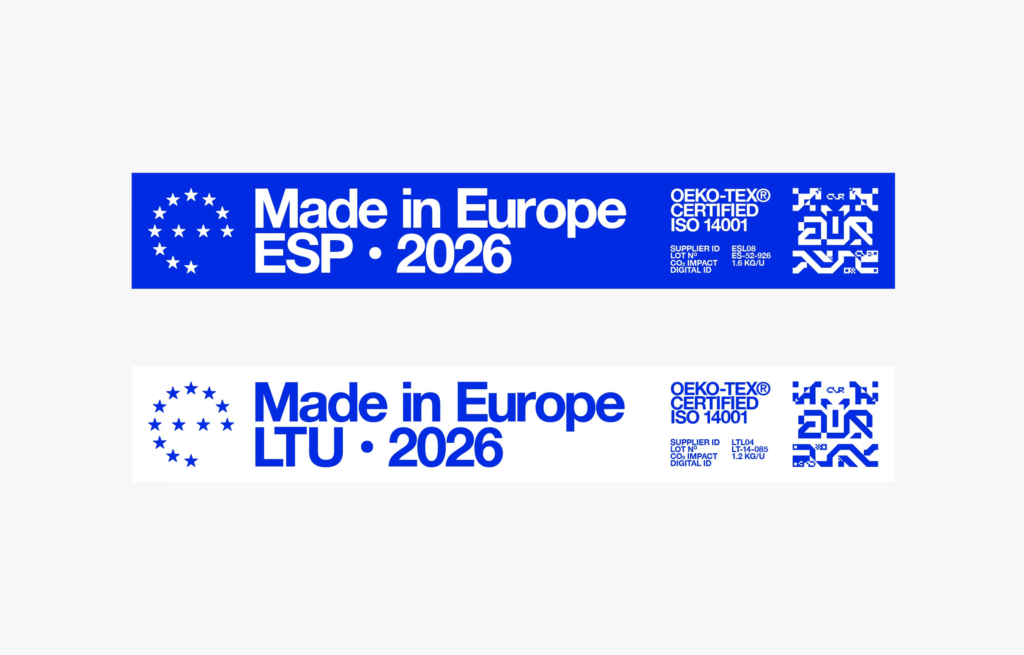
This kind of aesthetic tension, where visual identity or market positioning deliberately incorporates apparent contradictions, appears across recent brand initiatives. From Thonik’s ever-changing program reflected in its fluid branding for Orkest Phion, to Anatomy’s charming walrus identity for the Horniman Museum, there is a clear move away from strictly monolithic brand expressions. Even the discussion around “Can Europe Become a Brand?” suggests a need to coalesce disparate identities into a cohesive yet complex whole. The prevailing thread is a comfort with disunity, seeking resonance not through reductive simplification but through the strategic embrace of layered, sometimes conflicting, cultural signals.
Conventional branding wisdom often dictates that clarity, consistency, and immediate legibility are paramount for building strong brand equity. The identity Mouthwash Studio developed for Bonnie Clyde, described as “confusing” and “infuriatingly historically inaccurate,” directly challenges this. Yet, the reviewer concedes it is “ultimately rather lovely.” This suggests that a brand’s ability to invite interpretation, or even mild bewilderment, can generate a deeper, more enduring connection than instant comprehension. Brands that are too easily “understood” can sometimes be too easily dismissed; deliberate ambiguity fosters curiosity and active engagement, encouraging the audience to invest more intellectually and emotionally in deciphering the brand’s unique world.
This shift signifies a maturation in how cultural signals are used to position brands. Instead of striving for universal appeal through lowest-common-denominator messaging, these brands carve out distinct niches by appealing to specific sensibilities that appreciate complexity and nuance. Brands like Bonnie Clyde are building visual identity systems that function less as static emblems and more as dynamic, narrative-rich environments. By mid-2028, brand strategy documents for consumer-facing goods will increasingly include sections on “narrative ambiguity thresholds” and “interpretive playfulness” as core objectives, rather than solely focusing on message clarity.
This trend is most fiercely resisted by large, established corporations and regulated industries that prioritize risk aversion and quantifiable, unambiguous brand recall. Legacy brand managers, particularly those overseeing brands with broad, general consumer bases, often feel compelled to maintain rigid visual consistency and straightforward messaging to avoid any perceived dilution of brand equity. They are often bound by internal stakeholder demands for simplicity and fear that anything “confusing” will be interpreted as a failure rather than a sophisticated strategy. This resistance stems from a deeply ingrained belief that complexity equals chaos, rather than depth.
Branding professionals should spend a week mapping out how their current client’s brand identity could support two distinct, seemingly contradictory visual or narrative cues. Instead of trying to resolve these contradictions into a single unified theme, they should explore how the brand could confidently inhabit both spaces, and then present scenarios where this tension adds richness rather than dilutes core messaging.
TL;DR
Brands are increasingly leveraging controlled complexity and even aesthetic contradiction to build deeper engagement and stronger equity.
Curated References
About this editorial — This piece was developed using AI-assisted research and curation across multiple industry sources. All analysis, opinions, and predictions represent the editorial perspective of JHDD. Sources are linked in the references section above.