JHDD Branding Report — 2026.08.23
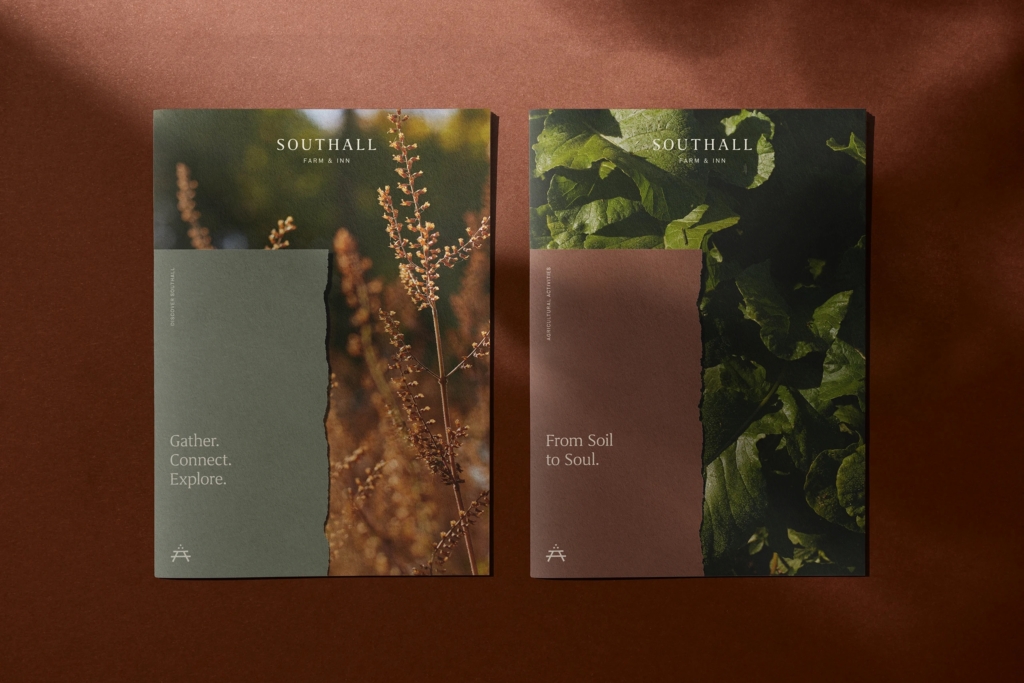
Perky Bros designed an identity for the Tennessee resort Southall that explicitly prioritized restrained Southern hospitality over “shouty branding.”
This approach points to a broader, quiet realignment in brand strategy, moving away from the reflexive pursuit of “boldness” and towards a nuanced engagement with a brand’s inherent cultural context and established equity. The recent brand developments for Brompton, Almeida & Dale, Sweet Cheeks, and LBTY collectively illustrate how design intelligence is increasingly applied to refine and deepen existing perceptions rather than to aggressively redefine them. This pattern is not about stagnation, but about precise calibration.
The work for Southall stands as a counter-narrative to a dominant industry rhetoric. Branding discourse frequently champions qualities like “disruption,” “brave,” or “zigging when others zag” as universal virtues, often implying that only aggressive differentiation can secure market share or cultural relevance. This prevailing wisdom, however, overlooks a powerful, often more effective, path. The Perky Bros identity for Southall, an expansive resort covering 325 acres, demonstrates that strategic restraint, deeply attuned to the existing cultural signals of “Southern hospitality,” can forge a more enduring and authentic connection with its audience. The design consciously avoids the loud, attention-seeking aesthetics often prevalent in the competitive hospitality sector, instead opting for an understated elegance that reinforces the resort’s specific geographic and experiential promise.
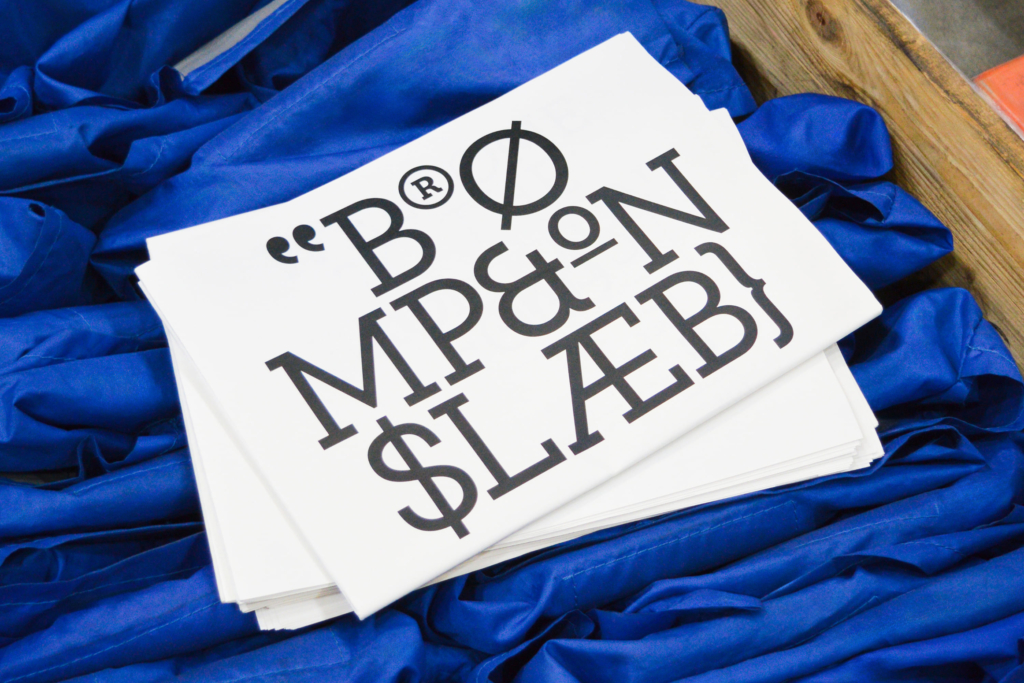
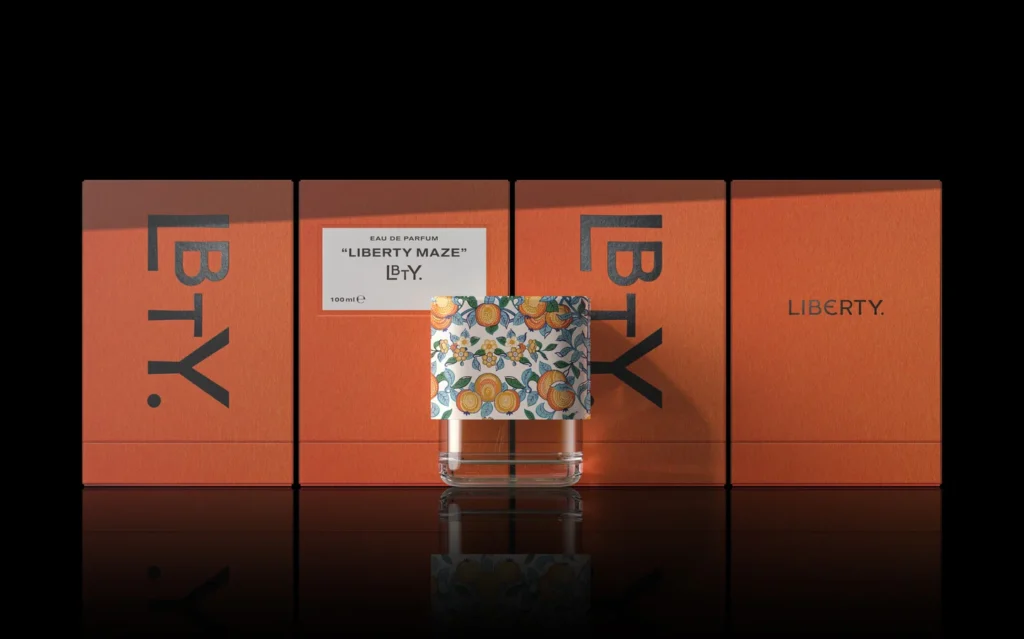
Mainstream industry opinion frequently advocates for visual overhauls and dramatic shifts to signify modernity or competitiveness, a stance that equates newness with progress. This view frequently overlooks the immense long-term value in cultivating an identity that feels native to its environment and its history. Consider Studio Blackburn’s work for Brompton, a folding bike brand founded in England in 1975. Its identity cements British engineering heritage, not by reinventing it, but by reinforcing its established qualities. Similarly, Pentagram’s packaging for Liberty fragrance brand LBTY focuses on “Packaging the Essence of Heritage,” suggesting that deep value resides in what is already known and respected. An identity that feels inherently aligned with its cultural origins and existing brand equity, as seen with Almeida & Dale’s “bold yet sensitive” approach by Porto Rocha for the São Paulo gallery, can command a premium, fostering trust and loyalty more effectively than one that constantly chases fleeting novelty. By late 2027, the market will observe a measurable increase in brands investing in design intelligence that prioritizes cultural embeddedness and historical continuity over overtly disruptive aesthetics. This will manifest in more brands like Sweet Cheeks (gelato) seeking nuanced identities that resonate with specific consumer expectations for quality and authenticity rather than generic “boldness.”
The primary resistance to this subtle shift originates from a segment of the marketing industry and client culture that prioritizes immediate, quantifiable virality and short-term performance metrics above all else. This focus often translates into a demand for “bold” statements and easily shareable, often superficial, brand expressions, perceiving restraint as a lack of ambition or impact. This drive for instant visibility frequently undermines the slower, more deliberate process required to build deep cultural resonance.
Branding professionals should conduct a “cultural signal audit” for their current clients this week. This involves identifying the specific, non-obvious cultural values, historical touchpoints, and nuanced community expectations that define a brand’s unique context, rather than immediately seeking opportunities for maximal visual impact or disruption. This audit should uncover opportunities for design to amplify existing, authentic narratives with precision.
TL;DR
Brand equity now strengthens through precise cultural resonance rather than broad disruptive gestures.
Curated References


About this editorial — This piece was developed using AI-assisted research and curation across multiple industry sources. All analysis, opinions, and predictions represent the editorial perspective of JHDD. Sources are linked in the references section above.