JHDD Branding Report — 2026.08.05
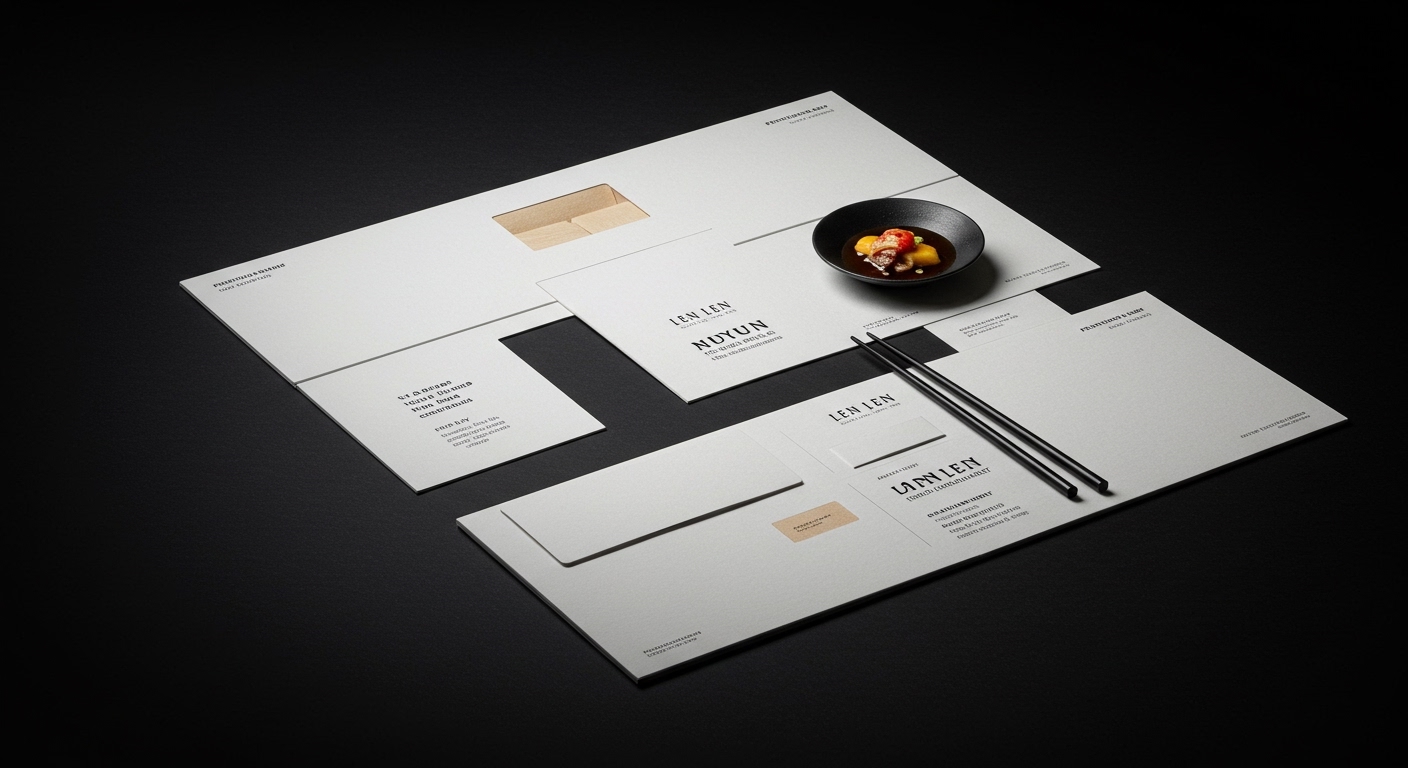
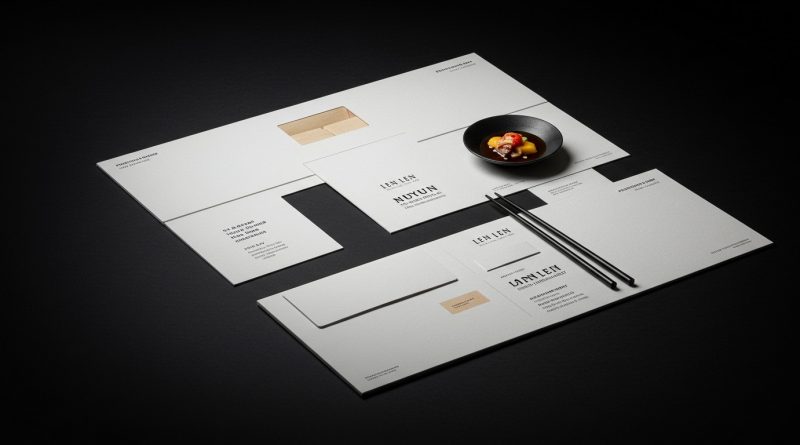
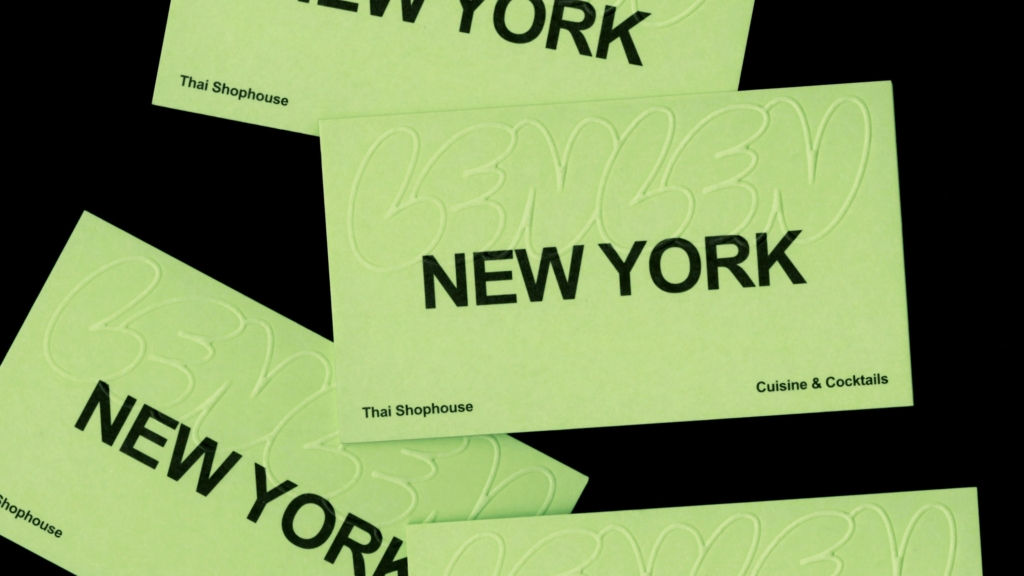
Pentagram New York’s identity for the Manhattan Thai restaurant LenLen achieves genuine effortlessness through controlled chaos.
This deliberate pursuit of an “effortless” or “barely there” aesthetic, whether through restrained visual systems or the preservation of existing brand equity, signals a broader shift. Brands are strategically seeking differentiation not through overt novelty, but by cultivating an authentic presence that prioritizes established recognition, subtle cultural cues, and human relevance over radical reinvention. This approach reflects a sophisticated understanding of consumer fatigue with performative branding.

JKR’s recent work for Coca-Cola, described as “barely a rebrand at all,” exemplifies this trend, focusing on minor tweaks to an already globally recognized visual identity. Conventional wisdom often pushes for bold, transformative rebrands to signal dynamism and modernity. However, JKR’s strategy demonstrates a more astute understanding of enduring brand equity. For a brand like Coca-Cola, which practically owns its signature red and white, radical change risks alienating decades of cultural embeddedness and depreciating immense inherited value. This conservative approach is not a failure of nerve, but a deliberate act of strategic preservation, acknowledging that a brand’s strength lies in its indelible connection to memory and habit, not merely its current visual styling.
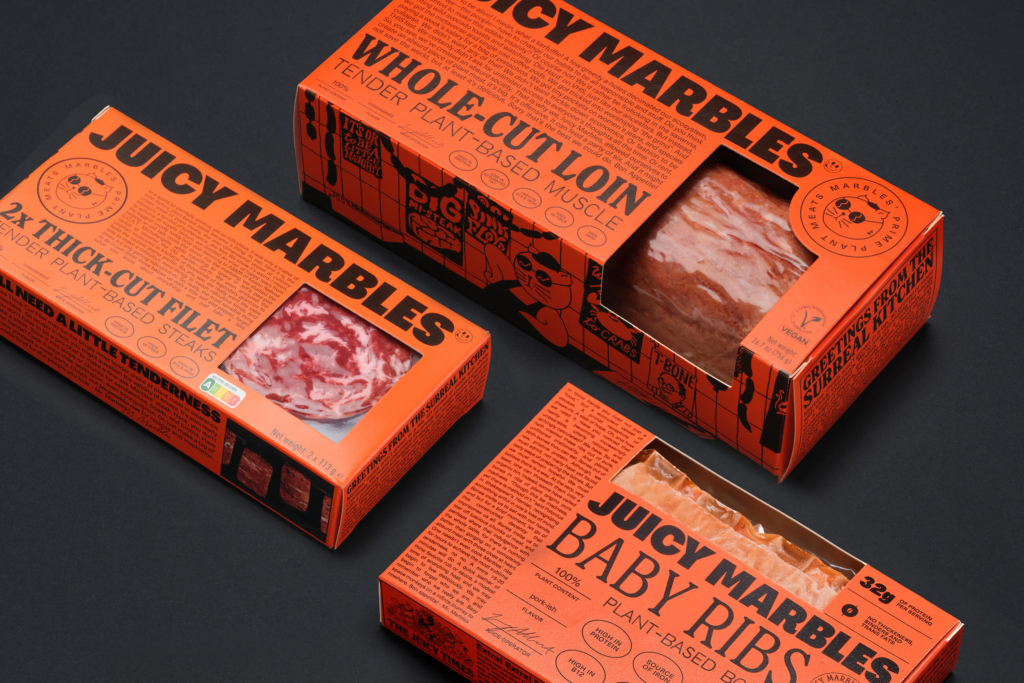
This focus on the “barely there” will expand beyond heritage brands. Smaller, challenger brands, often urged to shout loudest for attention, will discover that a quiet confidence, expressed through understated visual systems that reference established cultural codes rather than inventing new ones, offers a more powerful signal. Brands like Juicy Marbles, for instance, are showing that a vibrant personality can emerge without abandoning relatability. Within two years, more startups in crowded categories will adopt a “brand as subtle cultural reference” approach, opting for visual identities that feel inherited or discovered, rather than overtly designed, to build trust and resonate deeper with discerning audiences.
The primary opposing force is the persistent industry bias towards visible design intervention. Marketing and design agencies often measure success through dramatic before-and-after presentations, or by the sheer volume of new assets created. Client-side stakeholders, equally, may feel pressure to demonstrate tangible “innovation” or “modernization” through noticeable visual shifts, fearing stagnation if their brand does not overtly transform. This creates a systemic pressure for over-design and unnecessary visual disruption.
Branding professionals should conduct “brand equity erosion audits” instead of merely “visual identity audits.” This involves systematically identifying and valuing every subtle, non-explicit visual or linguistic cue that contributes to a brand’s recognition and emotional resonance, even if it falls outside formal brand guidelines. The objective is to determine which elements are so deeply ingrained in cultural memory that their removal or drastic alteration would actively diminish, rather than enhance, brand equity.
TL;DR
Strategic brand evolution now prioritizes subtle shifts and preservation of cultural equity over overt visual reinvention.
Curated References



About this editorial — This piece was developed using AI-assisted research and curation across multiple industry sources. All analysis, opinions, and predictions represent the editorial perspective of JHDD. Sources are linked in the references section above.