JHDD Architecture Report — 2026.08.27
The YXSTABY range from IKEA and Xbox features a stool designed to resemble a giant thumbstick. This product, intended to blend into homes, represents a prevailing current toward designed-in-generality. Simultaneously, projects like Tróia 37 House by Fragmentos demonstrate an exacting site-specificity, responding directly to dune vegetation and wind conditions. This contrast highlights a tension between architecture that aims for universal applicability and an approach that seeks deep embeddedness, both structurally and contextually.
Jae K Kim’s “Timbercraft: Lost Tectonics from East Asia” illustrates how highly refined timber systems, spanning centuries, achieved incredible durability and structural efficiency through intricate joinery and interlocking components. The mainstream architectural conversation often frames “material innovation” primarily through novel composites, digital fabrication of complex geometries, or entirely new material science. However, this view overlooks a critical path: true innovation in timber tectonics, particularly for sustainability and longevity, does not always demand entirely new material forms. Instead, it frequently requires a profound re-engagement with historical structural philosophies and craft, as documented in Kim’s detailed analytical drawings of East Asian buildings. The resilience and elegance of these “lost tectonics” offer more robust lessons in material honesty and structural ingenuity than many contemporary experimental approaches.
The current emphasis on mass timber panels, while beneficial for speed and carbon sequestration, risks reducing wood construction to another generic system, missing the expressive and structural potential of bespoke joinery. A deeper understanding of the principles laid out in Timbercraft would challenge architects to move beyond flatpack timber construction towards a more articulate and craft-driven expression of wood. This shift prioritizes material intelligence over mere material quantity. If architectural education and practice genuinely integrate the deep tectonic wisdom illuminated by Kim, the profession will see a marked resurgence of intricate, visible timber joinery as a primary structural and aesthetic element in public and mid-rise commercial buildings by late 2029, driven by an appreciation for long-term resilience and repairability.
This approach to material honesty and structural specificity directly confronts the forces that create the “stubbornly generic, repetitive, and under-serviced” built form of the contemporary Australian suburb, a key concern of The Future Suburb Symposium. The economic models and development practices driving such widespread generic construction prioritize speed, volume, and replicability, often at the expense of local material engagement, unique site response, or durable, repairable structural systems. This systemic inertia towards undifferentiated building acts as a significant impediment to a more responsible and context-aware architecture.
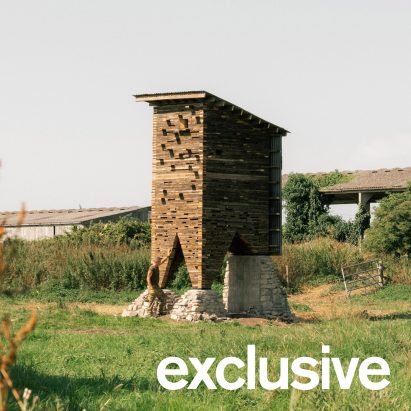
A working architecture professional should, within the next design cycle, undertake a detailed analysis of a primary structural connection or material junction in an ongoing project. This analysis should aim to simplify the connection, reduce the number of constituent parts, and explore how traditional joinery principles, or the direct use of locally available reclaimed materials (such as those employed in the Pearce+ wildlife tower), could achieve the same structural performance with greater material honesty and reduced embodied energy. This requires direct engagement with fabricators or local craftspeople, rather than relying solely on standard product catalogues.
TL;DR
Generic design proliferates when deep material and structural intelligence, rooted in context and craft, is undervalued.
Curated References

About this editorial — This piece was developed using AI-assisted research and curation across multiple industry sources. All analysis, opinions, and predictions represent the editorial perspective of JHDD. Sources are linked in the references section above.