JHDD Architecture Report — 2026.08.13
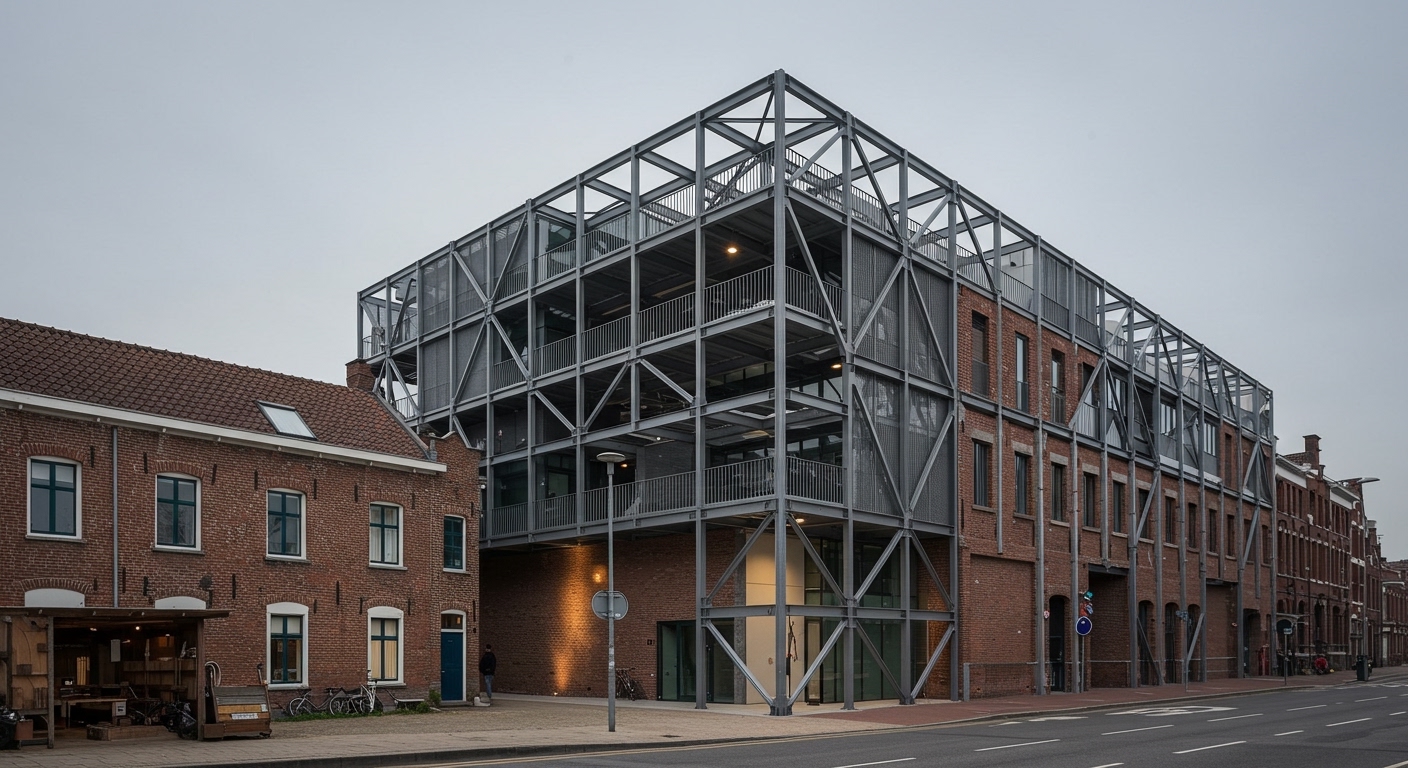
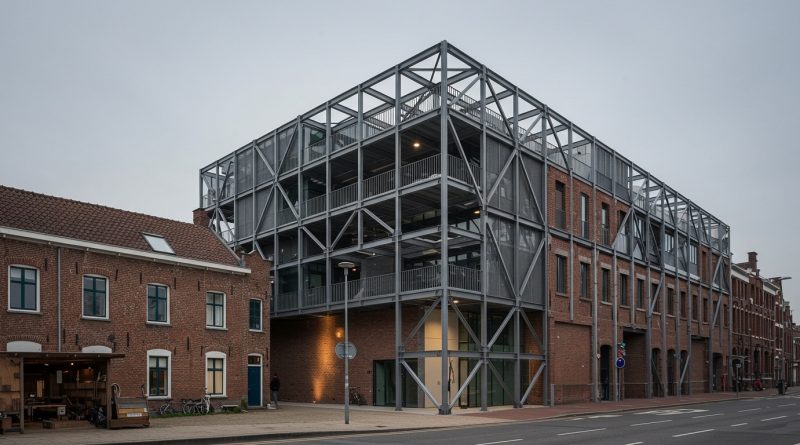
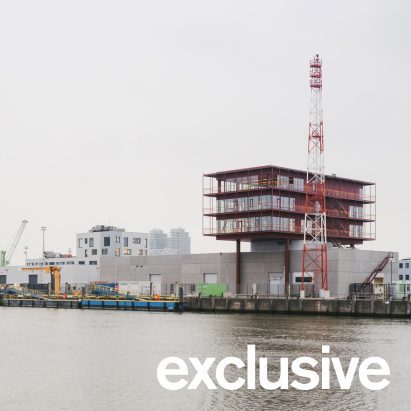
OYO Architects’ steel-framed office above a warehouse in Ostend offers a sharp contrast to prevailing large-scale development trends.
The recent news reveals a specific tension in contemporary architectural practice: the impulse for standalone, often purpose-built developments versus a growing necessity for integrated, context-responsive interventions. Whether constructing an 18,000-seat arena or a cultural center with a futuristic bridge, many projects still operate in isolation, treating their sites as blank slates rather than vital components of a wider urban or ecological system. This approach overlooks the cumulative impact of disconnected efforts, focusing instead on individual monumentality.
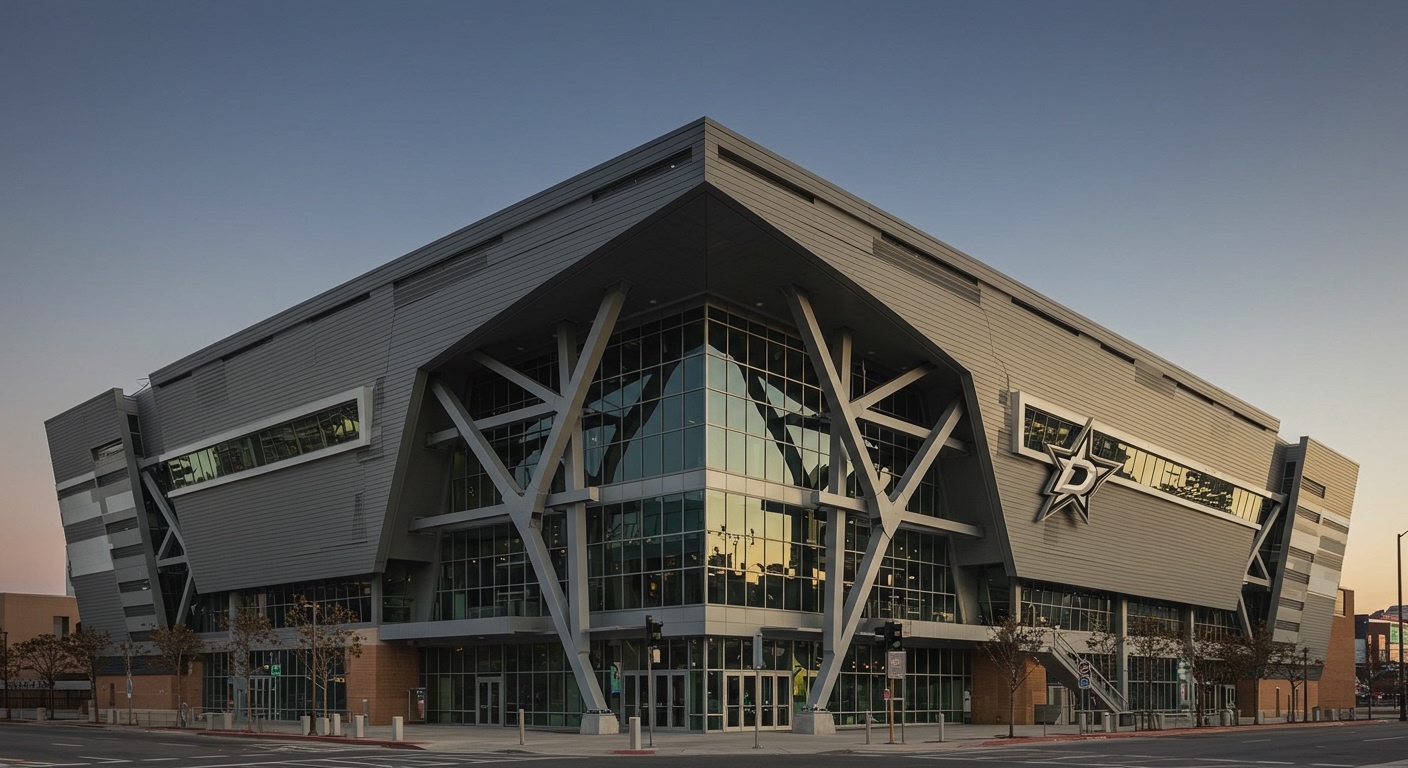
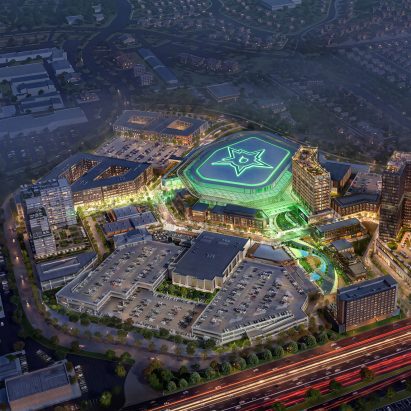
Alexandre Chemetoff’s urban design, which draws on decades of landscape experience to reinvigorate older city areas and propose new buildings, offers a crucial counter-narrative. The conventional industry wisdom often champions the distinct identity of projects like the HNTB-designed Dallas Stars arena, envisioning “year-round districts” that can feel self-contained. Chemetoff’s method directly contradicts this by emphasizing that new construction should augment existing conditions, making interventions part of a continuous, evolving urban fabric. His approach is about building intelligently within the existing context, prioritizing long-term integration over immediate spectacle.
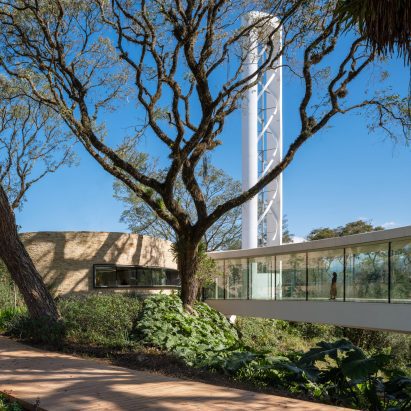
This perspective extends to the idea of sustainability. The Lola Mora Cultural Centre, with its “futuristic bridge and tower embedded with wind turbines,” exemplifies how technology can be added as an amenity to an otherwise isolated structure sited on a “forested hillside.” A more responsible view argues that true sustainability is intrinsically tied to urban integration and material honesty. It is not about showcasing individual technologies on a detached monument, but rather about robust, adaptable structures that extend the life of existing buildings and reduce overall resource consumption. By mid-2027, the economic and environmental pressures will compel a widespread shift towards OYO Architects-style adaptive reuse, where structural material transparency and urban continuity become fundamental design drivers, moving beyond superficial greenwashing.
The primary force resisting this integration is an economic model that values speculative development and short-term financial returns above all else. This force concretely manifests in land rezoning for isolated mega-projects and the relentless pursuit of novel architectural branding, often at the expense of existing communities and infrastructure. These market-driven paradigms promote disconnection, treating sites as commodities for maximum extraction rather than as responsibilities within a complex urban ecosystem.
A working architecture professional should, this week, critically review a current design brief. Instead of immediately exploring new forms, they should identify three specific opportunities to integrate the project with its immediate surroundings or existing structures, even if these connections are initially subtle or programmatic. This involves actively seeking ways for the new intervention to enhance the longevity and utility of its context, rather than merely occupying a space.
TL;DR
Architects must prioritize integrated urban interventions and material longevity over detached, market-driven spectacles.
Curated References
About this editorial — This piece was developed using AI-assisted research and curation across multiple industry sources. All analysis, opinions, and predictions represent the editorial perspective of JHDD. Sources are linked in the references section above.