JHDD Architecture Report — 2026.07.27
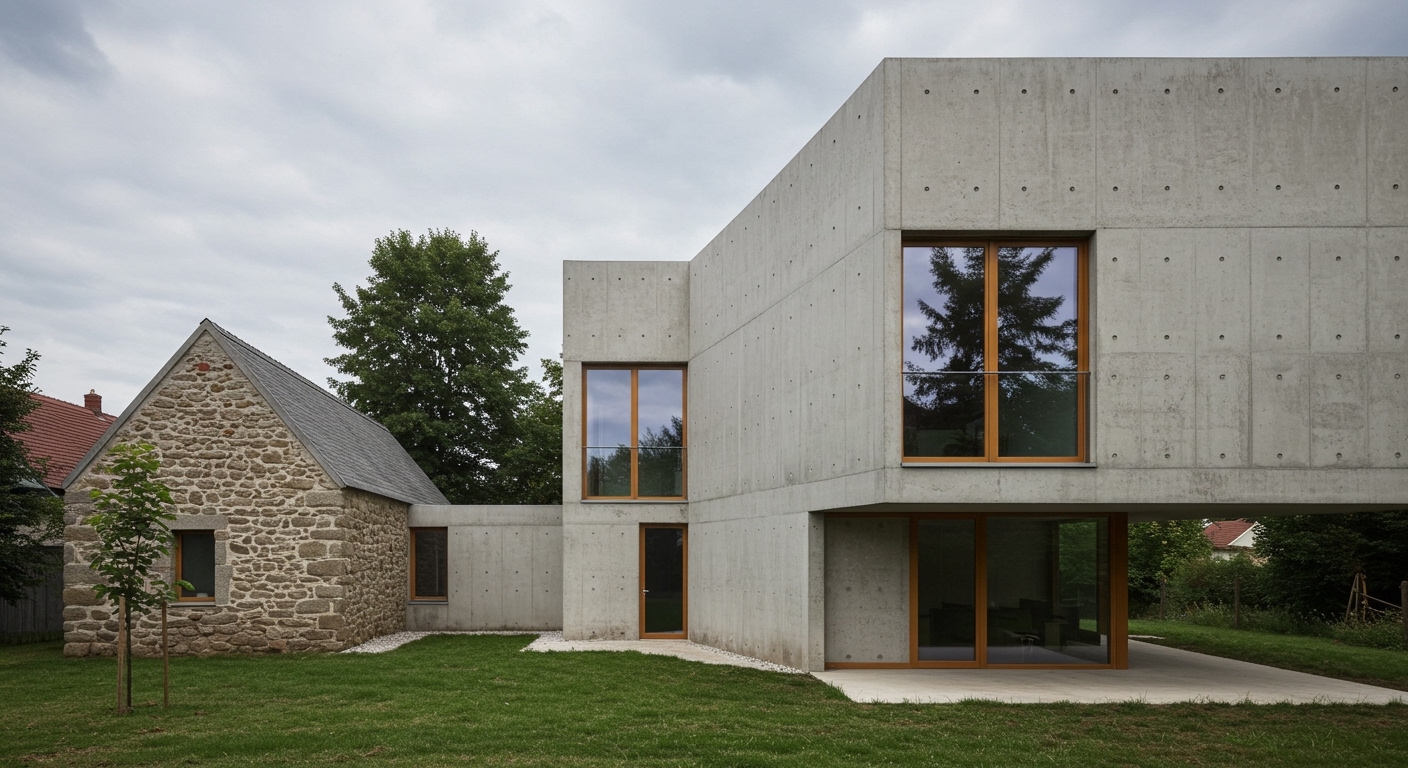
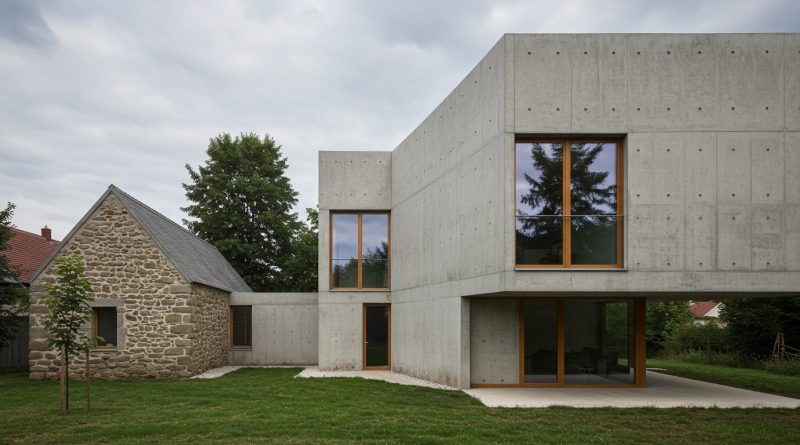
Lenka Milerová Architektka transformed a stone pigsty into Panoší Újezd Summer House, utilizing exposed concrete to complement existing rough walls.
This approach of integrating new design within pre-existing conditions, whether rural structures or dense urban pockets, emerges as a significant pattern. From the Panoší Újezd Summer House’s blend of old stone and new concrete, which preserves the original character while introducing a distinct modern structural language, to LBWA studio’s contemporary interventions within a historic Poznań tenement, and OUT Architecture’s Macchiato Pocket Park transforming an overlooked urban corner along Petticoat Lane, the common thread is an active, responsible engagement with context. These projects demonstrate a re-evaluation of how architecture adds to, rather than merely replaces, what is already there, fostering continuity and urban responsibility.
The controversy surrounding the ipe wood benches at New York City’s High Line Park, which opened in 2009, serves as a critical case study in material innovation and sustainability, specifically impacting structural philosophy. The seamless transition from concrete paving to wood benches, evoking the site’s railway past, was a design triumph. However, while the material’s inherent durability was intended to withstand decades of exposure, minimizing replacement cycles, the ethical concerns regarding its harvest from the Brazilian Amazon ignited a necessary debate about provenance and environmental impact. The mainstream industry often prioritizes performance metrics like physical longevity and minimal maintenance as the primary indicators of sustainability for materials, overlooking the profound environmental and social costs embedded in a material’s journey from source to site. A robust, high-performance material like ipe, despite its physical strength and resistance to decay, cannot be truly sustainable if its production damages vital ecosystems, contributes to deforestation, or lacks transparent, ethical forest management. This challenges a purely technical understanding of material integrity.
This perspective contradicts the conventional wisdom that maximum material durability inherently equates to maximum sustainability. It argues that longevity, while valuable, is only one component of a holistic sustainable structural philosophy. Instead, a truly responsible approach must consider the entire lifecycle, from extraction methods and transportation carbon footprints to labor practices and end-of-life options, prioritizing low-impact sourcing, verifiable ethical practices, and often local availability. The exposed concrete additions in Panoší Újezd Summer House, for example, highlight how locally understood materials can be innovatively deployed with a clear provenance. By mid-2027, clients and regulatory bodies will increasingly demand comprehensive lifecycle assessments and origin transparency for all primary building materials, pushing beyond simple environmental certifications to verifiable supply chain accountability, making it a legal and ethical necessity rather than a voluntary choice.
The persistent opposing force to this integrated and responsible material approach is primarily economic, driven by the entrenched infrastructure of global supply chains and prevailing procurement models. The convenience, speed, and often lower immediate cost of globally networked material sourcing, which frequently lacks granular traceability, disincentivize deeper scrutiny from project stakeholders. Large-scale developers and institutional procurement departments often prioritize rapid acquisition and cost-efficiency over the complex, long-term environmental and social benefits of ethically sourced and contextually appropriate materials. This inertia, coupled with market pressures for rapid construction timelines, creates a systemic resistance to the more demanding, transparent material verification processes required for true urban and environmental responsibility.
A working Architecture professional should, this week, actively question the default material specifications in their projects, moving beyond superficial product data sheets. Professionals must engage directly with suppliers to understand the full journey of core materials like timber, concrete aggregates, steel, and even interior finishes, from their precise geological or ecological origin to the construction site. This involves specifically asking for verifiable documentation regarding harvest methods, labor practices, and transportation logistics, not just general certifications. Such due diligence ensures that structural and aesthetic choices align with deeper ethical and environmental commitments.
TL;DR
Responsible architecture demands transparent material sourcing and contextual integration over simple longevity metrics.
Curated References


About this editorial — This piece was developed using AI-assisted research and curation across multiple industry sources. All analysis, opinions, and predictions represent the editorial perspective of JHDD. Sources are linked in the references section above.