JHDD Architecture Report — 2026.07.15
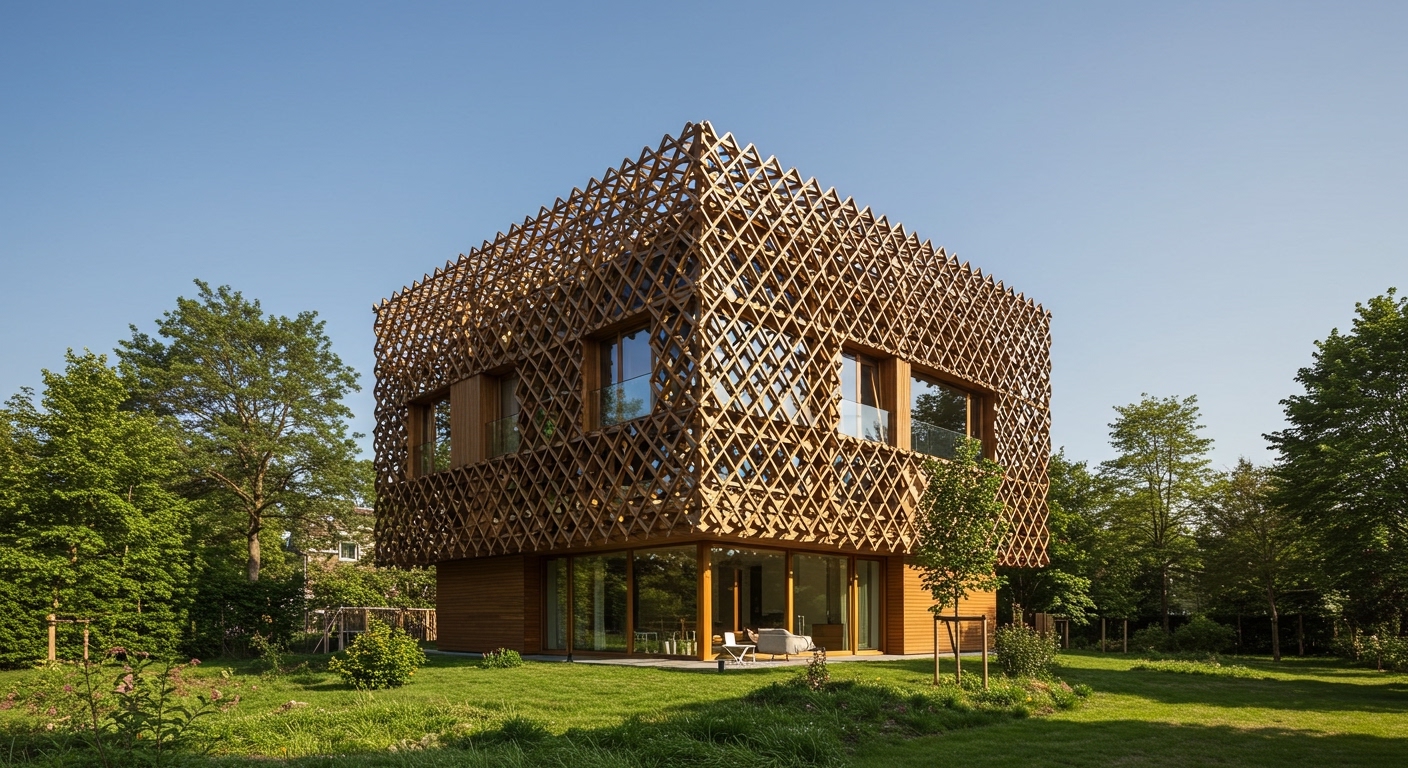
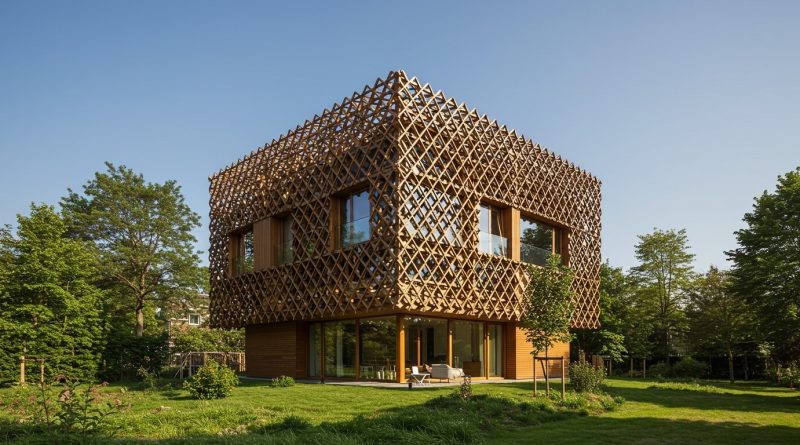
The Forest Villa MB by Tom Kneepkens in Noordwijk, South Holland, features a gridded timber roof designed with specific openings to accommodate existing trees. This explicit structural adaptation, seen across recent dispatches, highlights a critical juncture for architecture: the deliberate confrontation of, or strategic sidestepping of, fundamental material and spatial constraints. A pervasive pattern emerges where design either genuinely engages with its environmental context and material origins or seeks to emulate them through advanced manufacturing.
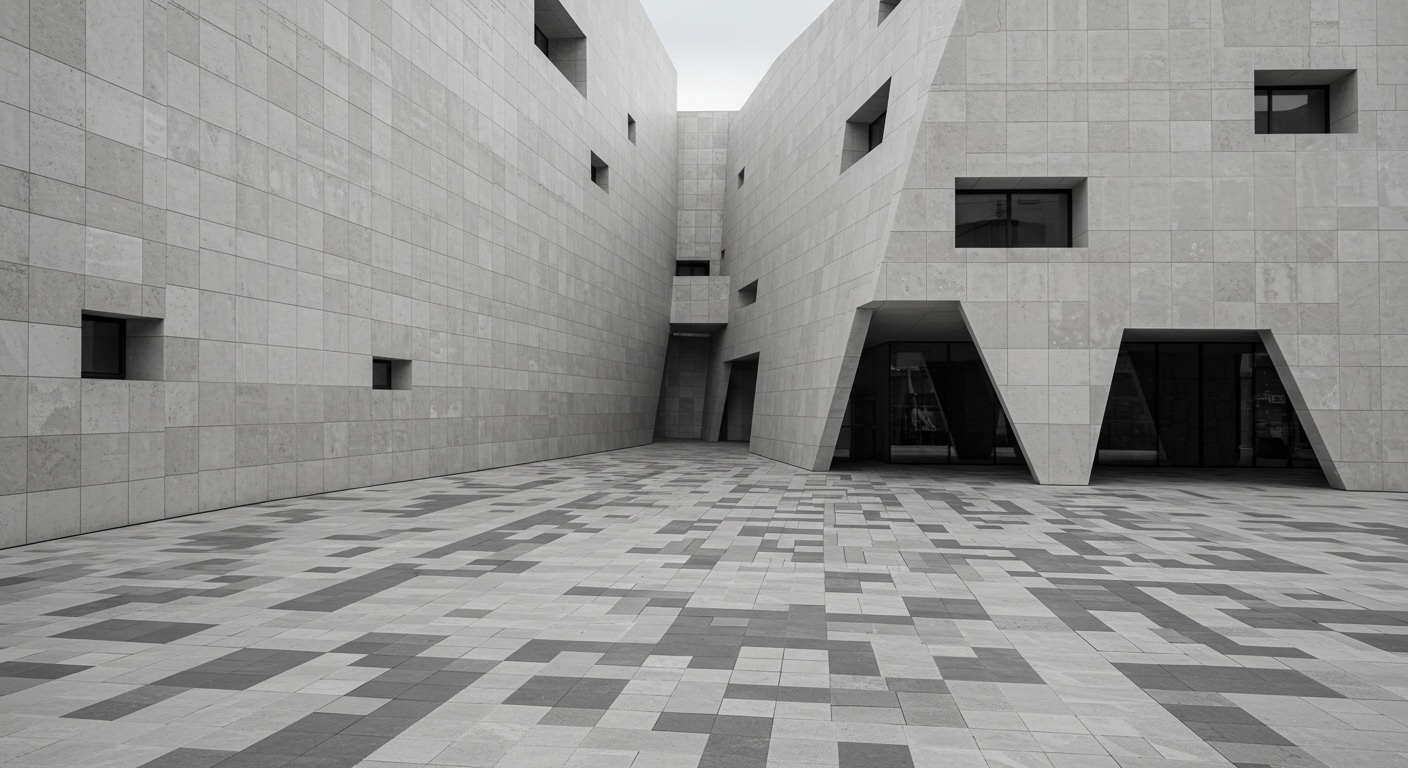
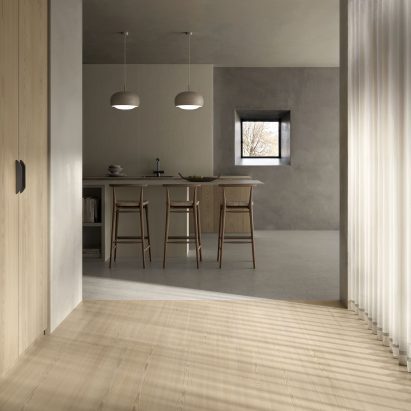
SAGA Space Architects’ EcoNeo Summerhouse, a 35 m² dwelling in Zealand, Denmark, exemplifies an approach rooted in extreme environment design principles, prioritizing spatial efficiency and resource awareness. This project, alongside Tom Kneepkens’ direct integration of nature, suggests that true material innovation lies not merely in developing new substances, but in the intelligent deployment and honest expression of existing ones. Mainstream industry opinion often champions the advanced performance of materials like Casalgrande Padana’s Essence porcelain stoneware tiles, which replicate larch wood grain while offering superior durability. However, this focus on mimetic performance risks diluting the deeper architectural and ecological dialogues inherent in authentic material usage. Substituting genuine timber with a high-performance replica, while commercially appealing, postpones the necessary reckoning with responsible forestry, local supply chains, and the embodied energy of the imitation itself. Architecture professionals should instead prioritize verifiable material honesty over superficial aesthetic replication. Within two years, as carbon accounting standards become more stringent, the market for materials that simply mimic natural textures without offering genuine ecological benefits will begin to contract significantly.
The primary opposing force to this trajectory remains the established global manufacturing sector, which often prioritizes uniformity, cost-efficiency via mass production, and aesthetic replication across diverse projects. This industrial inertia is manifest in design competitions such as the Andreu World International Design Competition, which, despite calling for “sustainable, innovative” furniture, implicitly operates within a paradigm where “manufacturing the future” might still favor novel synthetics or high-performance substitutes over a re-engagement with fundamental material truth and localized economies. Products like HMD’s Nokia dumbphones, with their deliberate limitations and AI assistant button, offer a different model of restraint, suggesting that functionality is not always about more features, but about purposeful clarity.
A concrete action for working architecture professionals involves conducting thorough, lifecycle-based analyses for any material specified that mimics a natural counterpart. Before selecting a product like Casalgrande Padana’s Essence tiles, investigate the true embodied carbon and sourcing transparency of both the porcelain stoneware and the genuine larch wood it imitates. Prioritize specifications that directly support local, regenerative material economies, even if it means accepting the aesthetic variations inherent in authentic, regional resources.
TL;DR
Architecture must shift from material mimicry to honest, context-driven material selection and integrated design.
Curated References


About this editorial — This piece was developed using AI-assisted research and curation across multiple industry sources. All analysis, opinions, and predictions represent the editorial perspective of JHDD. Sources are linked in the references section above.