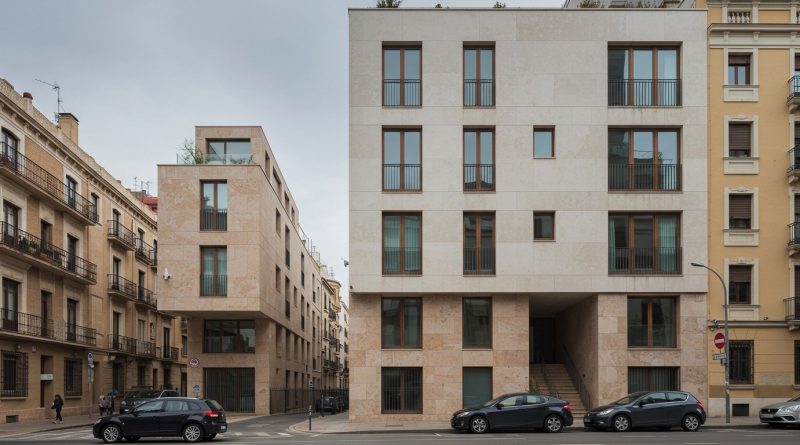
JHDD Architecture Report — 2026.07.12
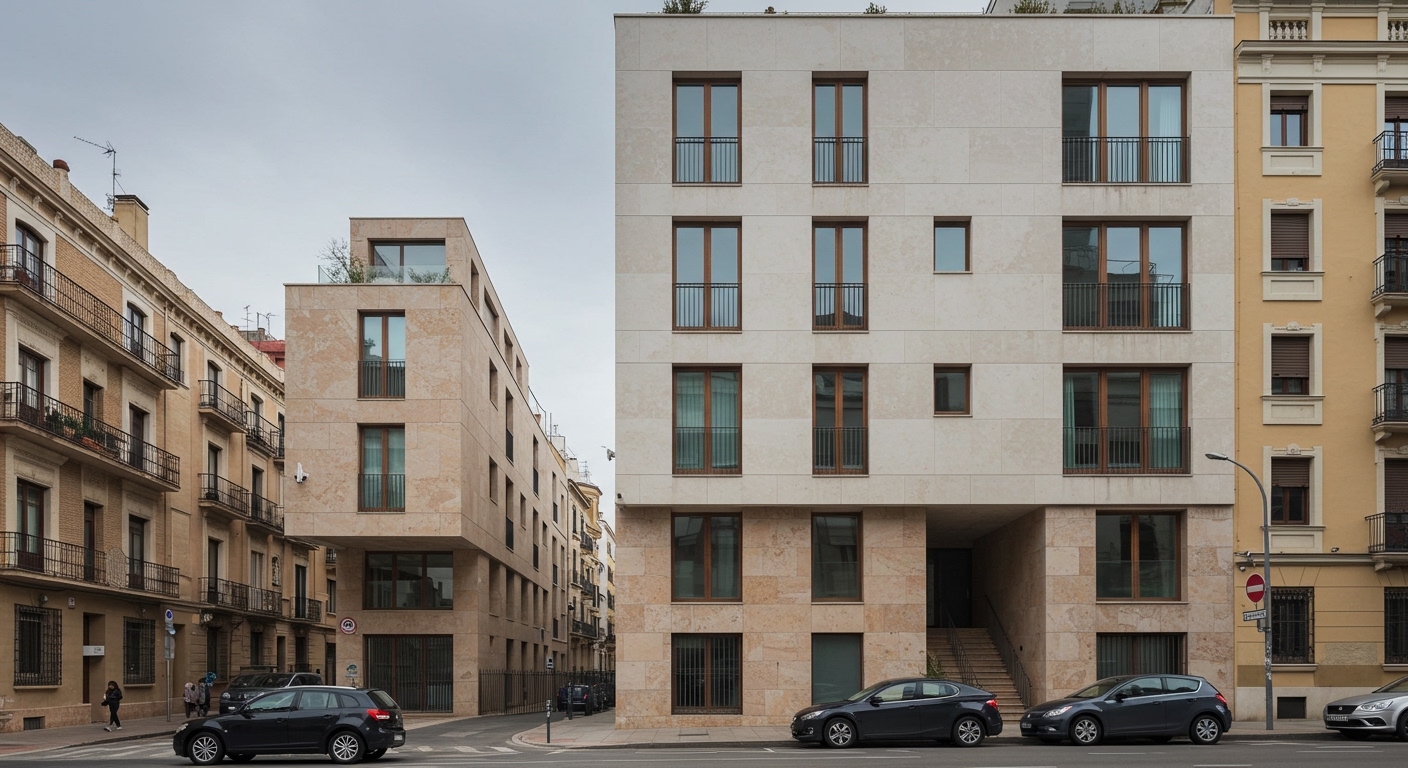
The Ciutat Vella Apartment by Balzar Arquitectos in Valencia showcases a specific challenge: adapting an 1890 building within a compact, two-thousand-year-old urban fabric. This project, alongside others, points to a subtle yet profound shift in architectural practice towards an ethic of adaptive continuity. Rather than designing in isolation or merely preserving facades, current exemplary work integrates new interventions by fostering a deep, evolving dialogue with existing historical, environmental, and material contexts. It signifies a departure from both nostalgic mimicry and confrontational modernism, embracing a layered approach to site development.
BBP Arkitekter’s Tidsmaskinen After-School Center exemplifies this evolving structural philosophy. The project in Amager combines a 1918 villa with a new tower and greenhouse, creating a “complementary architecture” that acknowledges a 100-year age difference while introducing a new typology. Mainstream industry opinion frequently frames historical urban interventions as a binary choice: either a seamless, almost invisible integration that defers entirely to existing aesthetics, or a bold, contrasting statement asserting contemporary identity. BBP Arkitekter’s approach, however, defies this dichotomy. It demonstrates that responsible urban development can simultaneously draw inspiration from heritage and introduce novel forms, allowing a site’s architectural narrative to genuinely evolve rather than stagnate or rupture.
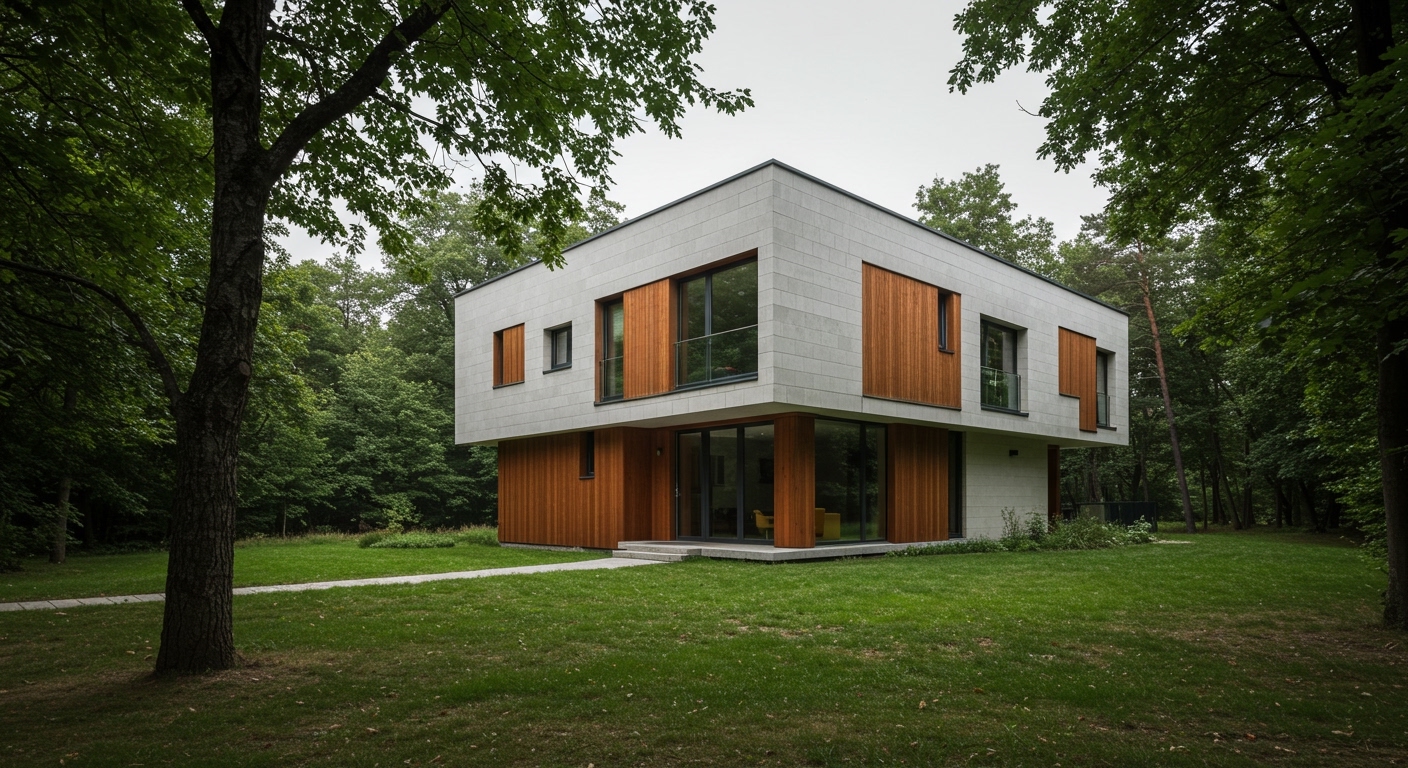
This nuanced strategy, where new structures foster a symbiotic relationship with inherited ones, will become increasingly prevalent. It requires a material innovation focus that extends beyond singular material properties to how materials interact and age within a larger, pre-existing structural and environmental system. By late 2027, more urban planning departments will implement zoning incentives for projects that explicitly demonstrate a material and structural dialogue with adjacent historical contexts, prioritizing adaptive re-typology over either strict aesthetic replication or stark opposition.
The primary force resisting this adaptive continuity is the relentless pressure for expedited project delivery and homogenized development. Large-scale developers, often driven by quarterly returns and the desire for predictable construction processes, frequently favor standardized material palettes and structural systems that simplify procurement and accelerate timelines. This economic imperative often undermines the bespoke, site-specific investigations required for nuanced architectural responses, pushing instead for approaches that are readily scalable and financially de-risked. This systemic preference for efficiency over contextual depth makes projects like the Yanlord Arcadia Sunken Garden — Lacy Steps, which transforms circulation into a social destination, an exception rather than the norm in many dense urban settings.
An architecture professional should initiate comprehensive material and structural audits of existing site conditions and adjacent buildings during the initial feasibility and pre-design stages. This data-driven understanding of embodied energy, historical material performance, and structural capacity must then directly inform conceptual design, moving beyond purely aesthetic or programmatic considerations to genuinely engage with the site’s ongoing material and structural narrative.
TL;DR
Contemporary architecture is moving toward nuanced integration with existing contexts, prioritizing adaptive material evolution over aesthetic uniformity or rupture.
Curated References
About this editorial — This piece was developed using AI-assisted research and curation across multiple industry sources. All analysis, opinions, and predictions represent the editorial perspective of JHDD. Sources are linked in the references section above.