JHDD Architecture Report — 2026.07.08
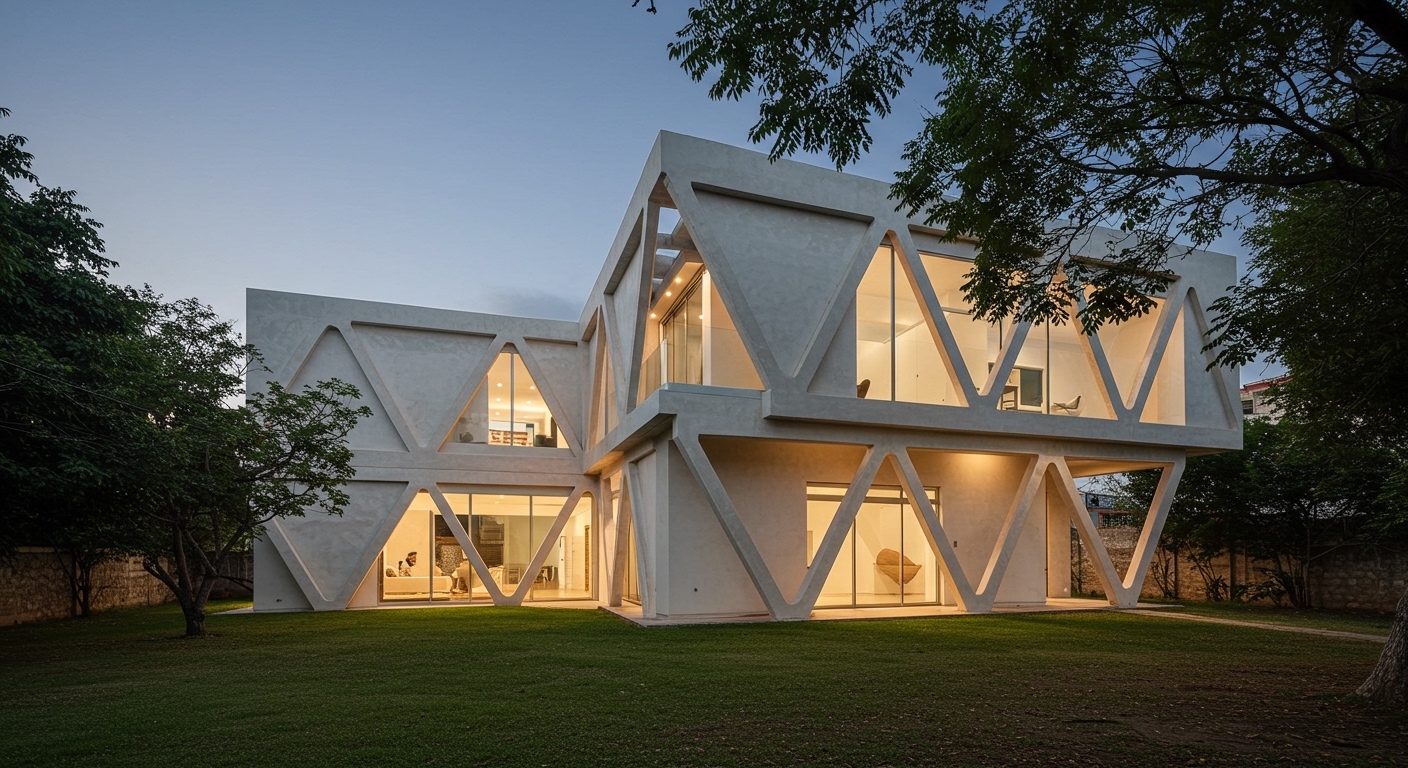
Croxatto and Opazo Architects’ Negrilla House in Matanzas demonstrates a structural philosophy rooted in site-specific response, rather than universal application.
This approach, where the built environment directly mirrors and supports the existing natural or historical contours, is a recurring theme across recent architectural discussions. From Kéré Architecture’s integration of a three-storey playground into a university campus context, to CGZ Architecture’s rampart-like school embracing Porto-vecchio’s topography, there is a clear shift toward symbiotic engagement. These projects illustrate an architectural intelligence that prioritizes the enhancement of existing conditions over the imposition of external ideals.
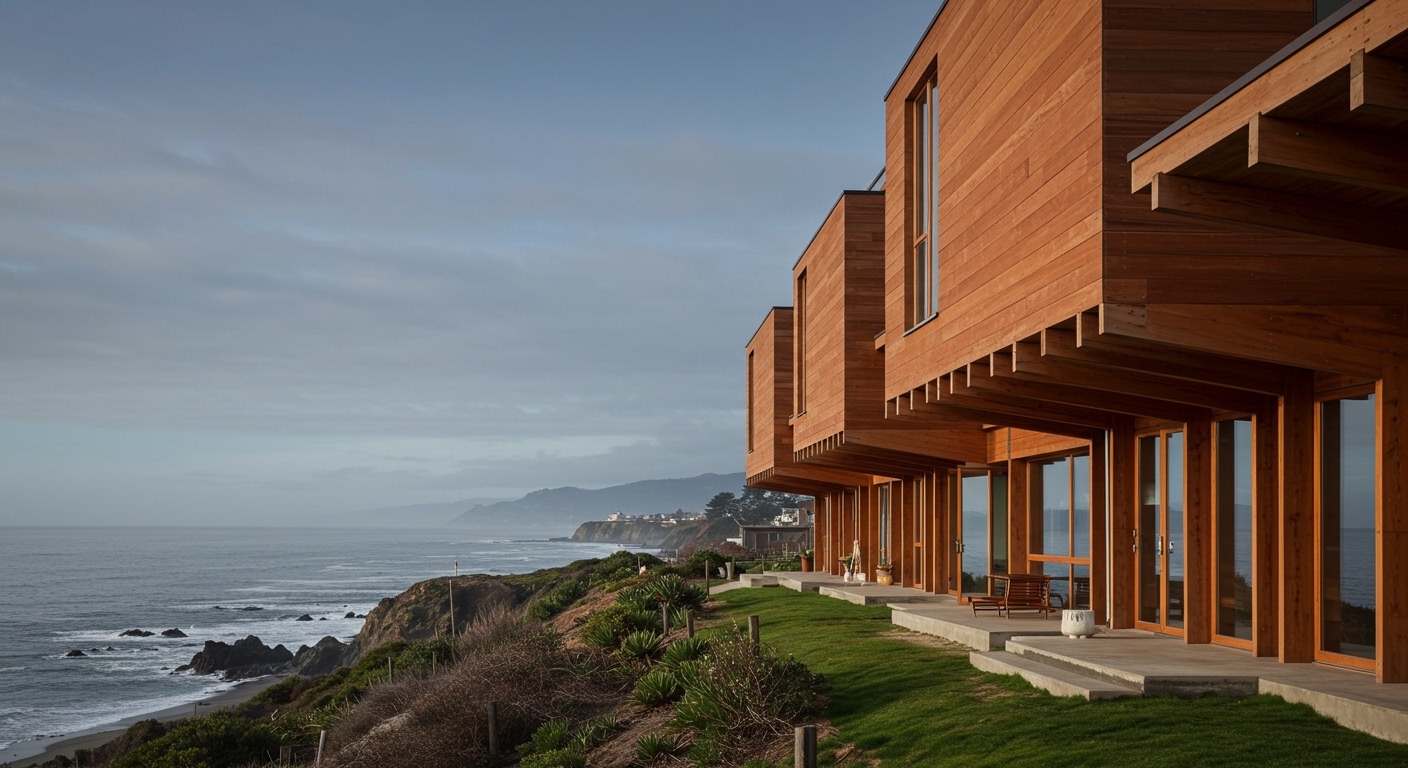
The Madinah International Architecture Festival 2026 competition, challenging multidisciplinary teams to transform Jabal Umm Nuthaylah while preserving its geological identity, crystallizes this trajectory. Mainstream architectural discourse often lionizes projects that assert a bold new identity, detached from their surroundings, prioritizing sculptural form-making or singular aesthetic impact. However, a truly visionary urban responsibility requires recognizing the innate value of geological formations or existing infrastructure as the primary structural and contextual framework. This is not about minimalist intervention or subservience, but about an architecture that operates as an intelligent extension of the land, drawing its essential character from what is already present and enhancing it through sensitive design. The competition in Madinah demands an architecture that builds from the mountain’s character, interpreting its inherent logic and material expression for human inhabitation.
The integration of material innovation, as explored in “Mycelium Resources in Architecture and Design,” will further enable this deep contextual embedding. Mycelium-based materials offer resource-efficient biomaterials that can be grown and shaped to specific requirements, potentially allowing structures to mimic geological forms or adapt to unique microclimates in ways conventional materials cannot. This contradicts the prevailing industry habit of specifying standardized, globally available materials, which often sacrifices local character and environmental performance for ease of procurement and perceived efficiency. While standardization has its place, it frequently leads to a homogenization of urban fabric. By mid-2027, JHDD predicts a notable increase in large-scale public projects, particularly in sensitive environmental or historical areas, specifying bio-fabricated or extensively locally-sourced components designed to directly complement regional geological identities and traditional building knowledge.
The primary resistance to this integrated design philosophy stems from the inertia of conventional construction logistics and the standardization of building codes. Existing supply chains are optimized for mass-produced, uniform components, making it inherently difficult and often more expensive to source unique local materials or integrate novel biomaterials like mycelium without significant cost, time, and regulatory hurdles. Furthermore, the risk-averse nature of development capital often favors proven methods over innovative, context-specific solutions that require bespoke approaches and potentially new certification processes. This systemic bias pushes designers away from the very specificity the site demands.
A working architecture professional should actively research and map the geological and material specifics of their immediate project locale this week, before any programmatic diagramming. This includes identifying local quarries, traditional building techniques, and dormant material industries that could be reactivated.
TL;DR
Architecture that genuinely responds to its site requires deep material and structural integration with existing natural and urban forms.
Curated References

About this editorial — This piece was developed using AI-assisted research and curation across multiple industry sources. All analysis, opinions, and predictions represent the editorial perspective of JHDD. Sources are linked in the references section above.