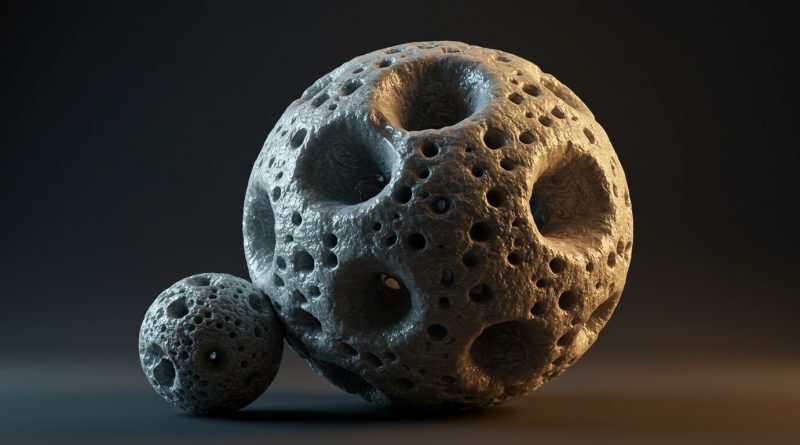
JHDD 3D Modeling Report — 2026.08.18
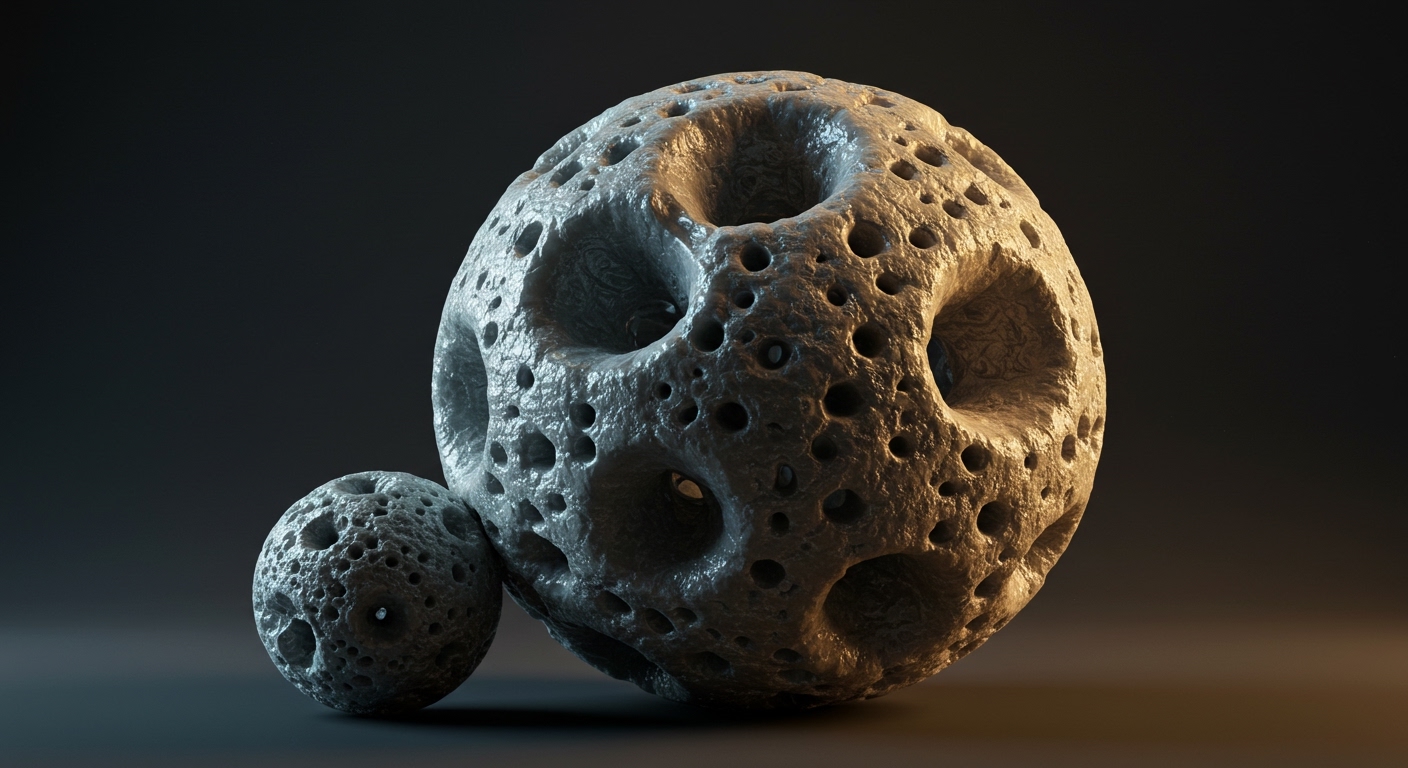
Bioform, a procedural material asset for Blender developed by a medical doctor, exemplifies a crucial shift towards functionally accurate digital content.
The common thread across recent developments, from Bioform’s medically precise procedural biological materials to the intricate rigging demonstrated for a folding chair in Blender, is an evolving demand for systemic integrity in digital assets. This extends beyond visual fidelity, encompassing the functional logic and underlying mechanics of virtual objects and environments. The iterative progress seen in Compiling Shaders Games’ Barely Breathing further illustrates a deeper engagement with underlying systems, mirroring the nuanced expectation of character authenticity, where a potential casting choice like Matthew McConaughey for Joel in The Last of Us highlights more than just a likeness.

Mainstream discourse often frames hyper-realism as a triumph of rendering power or advanced texture work. This view misses a fundamental shift. Bioform, with its basis in medical expertise, illustrates that true hyper-realism in digital fabrication is increasingly rooted in systemic integrity and domain-specific knowledge. A medical doctor’s involvement in generating procedural biological materials signifies a pivot from merely mimicking surfaces to accurately modeling structural and functional behavior. This level of precision, achieved procedurally, ensures virtual representations possess an internal logic that dictates their growth, interaction, and appearance, fundamentally altering how ‘realistic’ is defined.
This systemic approach will critically influence the construction of believable virtual spaces. The seamless integration of Pixar’s Coco into Kingdom Hearts 4 demands more than just aesthetic consistency; it necessitates that underlying physics, character behaviors, and even environmental lighting dynamics adhere to the original IP’s functional logic. By mid-2029, major game engines and content creation platforms will routinely incorporate validated, domain-expert modules, much like Bioform’s medical accuracy, for generating procedural assets. This will push hyper-realism beyond visual faithfulness towards behavioral realism, where virtual elements not only look correct but also act correct within their simulated environment.
The primary resistance to this evolution stems from established workflows that prioritize artistic intuition and handcrafted detail over strict systemic adherence. Many studios, including those demonstrating iterative progress like Compiling Shaders Games with Barely Breathing, still largely operate on an artist-driven trial-and-error approach to mechanics and aesthetics. This reliance on subjective interpretation, while valuable for creative expression, often delays the full embrace of procedural tools that demand a deeper initial investment in understanding underlying rules and data-driven accuracy.
Working 3D modeling professionals must pivot their skill development. Instead of exclusively refining surface textures or optimizing polygon counts, allocate dedicated time to studying the fundamental mechanisms and principles behind the objects and environments being created. This means delving into basic mechanics for rigging, understanding material science for shader development, or even introductory biology for organic forms. Crucially, learn to script within tools like Blender to build procedural logic, allowing models to generate and evolve based on defined rules rather than solely through manual sculpting or painting. This shifts professional value towards defining robust, intelligent systems.
TL;DR
Digital fabrication’s future demands systemic accuracy and procedural integrity over superficial visual realism.
Curated References
About this editorial — This piece was developed using AI-assisted research and curation across multiple industry sources. All analysis, opinions, and predictions represent the editorial perspective of JHDD. Sources are linked in the references section above.