
JHDD 3D Modeling Report — 2026.07.16

Kay Hilman’s animated short film NOXIOUS demonstrates a sophisticated understanding of environmental storytelling through lighting dynamics.
A common thread through recent announcements, from the procedural muscle generation by Cartesian Caramel to the comprehensive GodotGameLab courses, points to a consolidation of advanced creative control within accessible, open-source ecosystems. These developments indicate a movement towards highly specialized, component-based asset creation and world-building where intricate details are no longer hand-sculpted in isolation. Instead, they are engineered through interconnected systems that emphasize parametric design and real-time feedback loops, profoundly impacting hyper-realism in virtual spaces.
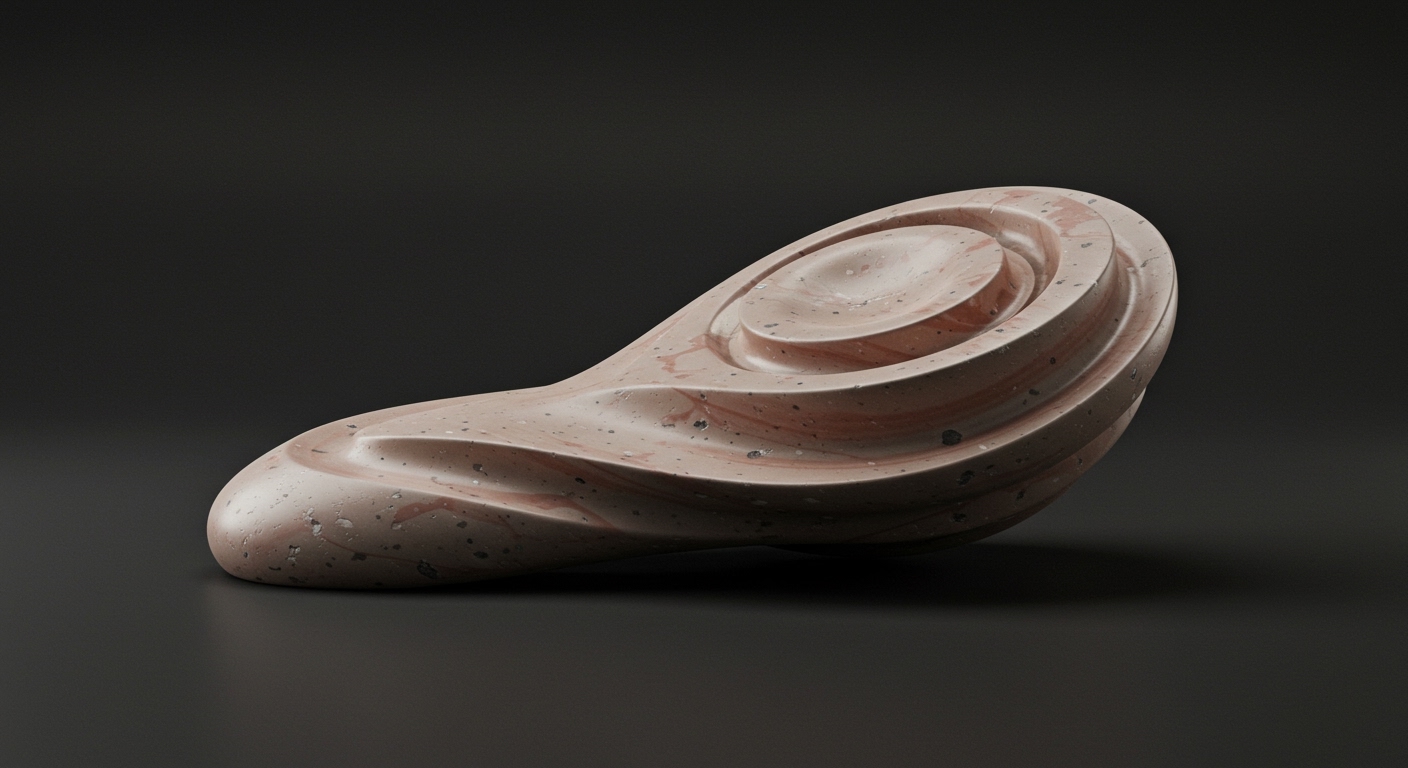
The mainstream industry often champions proprietary, highly integrated pipelines as the exclusive path to professional-grade hyper-realism and efficiency. This perspective increasingly misjudges where foundational innovation for dynamic, believable virtual spaces now originates. Conventional wisdom asserts that the most impressive hyper-realism derives from painstakingly sculpted, high-polygon assets. This overlooks the emerging power of behavioral realism—the procedural generation of materials, textures, and environmental reactions that evolve dynamically. Cartesian Caramel’s “printing hand muscles” with Geometry Nodes in Blender 5.2 exemplifies this. It moves beyond static anatomical accuracy to simulate organic motion and texture generation, representing a fundamental shift in achieving believable virtual physiology and material response.
This procedural approach, enhanced by tools like B4D Tools for motion graphics, accelerates iteration and allows for unprecedented complexity and consistency across virtual environments. The capacity to generate vast, detailed landscapes or intricate mechanical systems with procedural rules surpasses the scalability of manual asset creation. By mid-2028, major AAA game studios and architectural visualization firms will widely adopt procedural generation engines, akin to advanced Geometry Nodes or B4D Tools, as their primary method for environmental asset creation, sidelining traditional manual asset pipelines for all but hero props.
The primary resistance to this paradigm shift toward open-source procedural dominance comes from established corporate walled gardens and their associated licensing models. The Twitch streamer’s reported account deletion by Microsoft after a hack, resulting in a loss of game purchases and OneDrive files, highlights a critical vulnerability within these systems. Centralized control over digital assets and persistent virtual identities creates a significant friction point against the open, interoperable, and component-based future implied by platforms like Godot and Blender’s expanding capabilities. Users and creators remain tethered to platforms that retain the unilateral power to revoke access to their digital work and experiences, undermining true creative autonomy.
A 3D Modeling professional should immediately begin integrating a procedural generation toolkit, such as Blender’s Geometry Nodes, into their daily workflow for generating complex textures, organic forms, or environmental assets. Focus not on replicating existing forms, but on establishing reusable parametric systems that allow for rapid iteration and dynamic response to scene changes. This proficiency will become essential for contributing to the hyper-realistic virtual spaces defined by the next generation of content creation.
TL;DR
Procedural generation in open-source platforms is defining the next wave of hyper-realism and virtual space creation, challenging proprietary ecosystems.
Curated References
About this editorial — This piece was developed using AI-assisted research and curation across multiple industry sources. All analysis, opinions, and predictions represent the editorial perspective of JHDD. Sources are linked in the references section above.