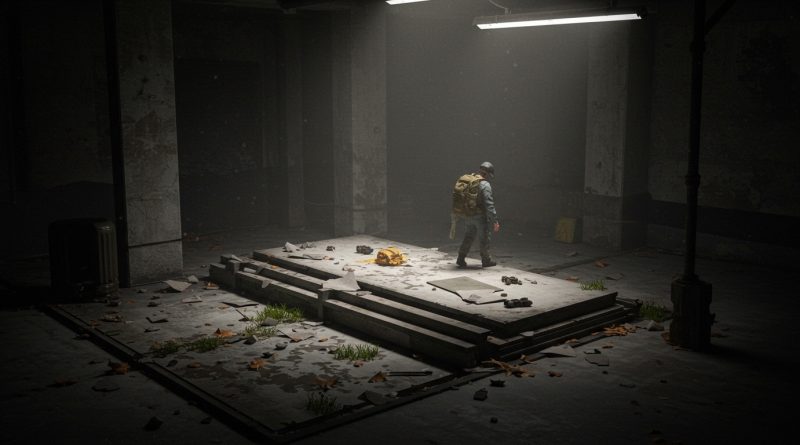
JHDD 3D Modeling Report — 2026.07.15
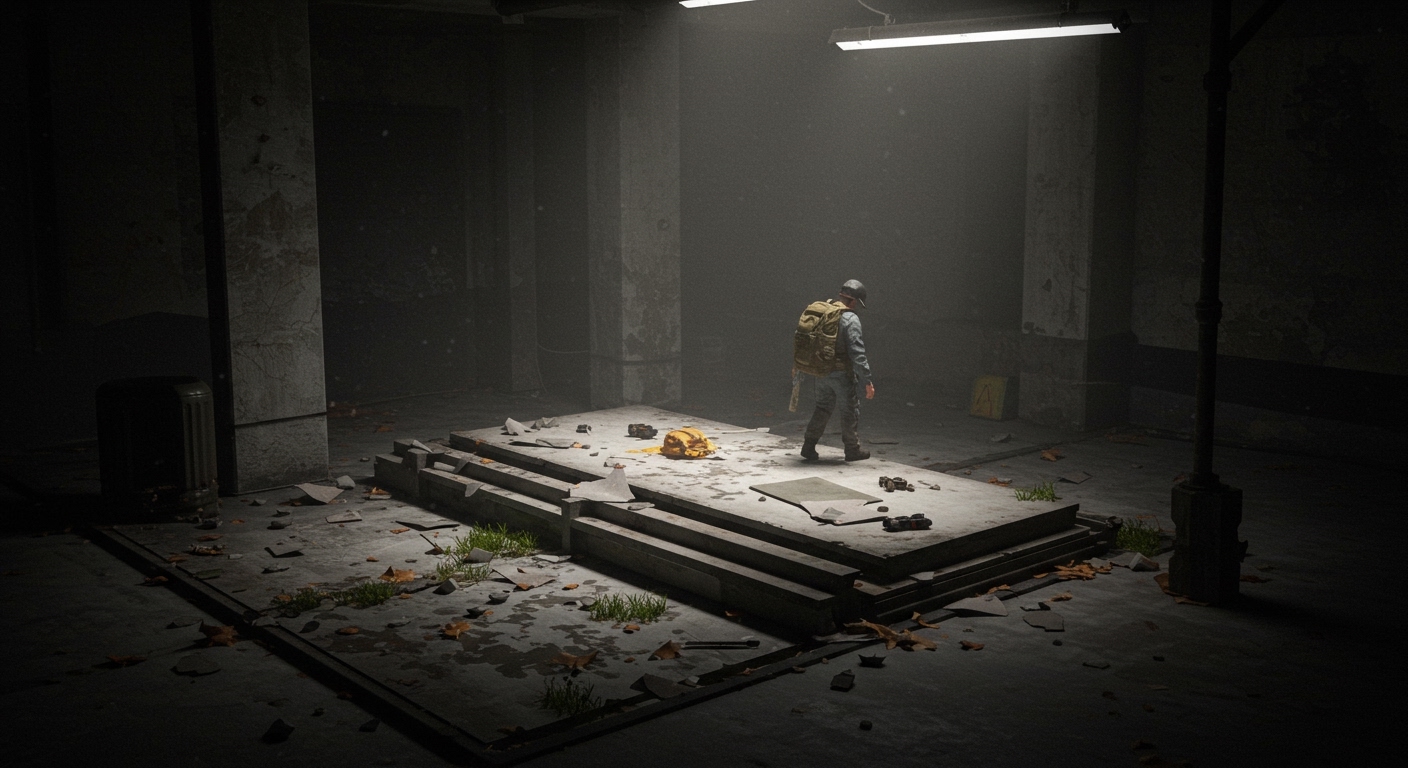
Jesse Miettinen’s “The Last Of Us-Like Generator” has launched, offering “Damage Control” for complex environment creation.
This development, alongside the continued evolution of tools like Material Maker 1.7 and the reported challenges faced by artists on TurboSquid, reveals a specific pattern. The digital fabrication landscape is shifting its focus from discrete, handcrafted assets to integrated, generative systems. This move is not just about producing content faster; it fundamentally redefines the value proposition of 3D models within virtual spaces, prioritizing dynamic realism and contextual adaptability over static object libraries.
The conventional wisdom often assumes that asset marketplaces such as TurboSquid will naturally expand as the demand for virtual content grows, serving as vast repositories of readily available models. However, this view overlooks the fundamental incompatibility of static assets with the increasing sophistication of procedural generation. The “foul play” suspected by TurboSquid artists regarding plummeting sales might be a symptom of a deeper, systemic obsolescence. As tools like Material Maker 1.7 empower artists to generate unique, context-aware textures and Jesse Miettinen’s generator dynamically creates environmental wear and damage, the utility of generic, pre-packaged models decreases. The emergent value lies not in individual items but in the generative frameworks that produce infinite, responsive variations.
This shift indicates that the stability of asset economies built on atomic object sales is fundamentally challenged. The drive for hyper-realistic and dynamically responsive virtual spaces demands systems capable of immediate, context-sensitive content creation. A user who can command a virtual environment, perhaps like the “Lookout Tower” scenario, to procedurally generate diverse flora and weathered surfaces upon a single prompt, will find less reason to browse traditional asset catalogs for pre-modeled components. The ability to generate and integrate hyper-realistic elements on the fly is becoming the core competency. By early 2028, platforms that have not fully embraced and integrated robust procedural and generative AI systems will face significant competitive disadvantage, ceding ground to those that enable dynamic world-building.
This transition is not without resistance. Significant opposition comes from established workflows and the substantial skill investment in traditional poly-modeling, sculpting, and manual UV mapping. Many studios maintain pipelines meticulously optimized for handcrafted asset creation, supported by a workforce deeply proficient in these methods. Projects like the “Medieval People Watching Memes in This WIP Time-Travel Game” highlight instances where highly individualized character art, often a result of bespoke sculpting and animation, retains substantial artistic and narrative impact. This area, particularly for unique character design or highly specific prop elements crucial to narrative, demonstrates where traditional, non-procedural artistry continues to be essential.
A working 3D Modeling professional should prioritize skill development in procedural content generation. This week, dedicate several hours to mastering a node-based material or environment creation tool, such as Material Maker. Focus on understanding how to build systems that can generate variations, apply context-dependent damage, or adapt surface properties based on external parameters, rather than solely modeling complete, singular objects. Begin by creating a procedural material in Material Maker that allows for dynamic adjustment of parameters like rust intensity or moss growth based on a simple numerical input.
TL;DR
The future of 3D modeling demands expertise in procedural generation and dynamic systems, not just static asset creation.
Curated References
About this editorial — This piece was developed using AI-assisted research and curation across multiple industry sources. All analysis, opinions, and predictions represent the editorial perspective of JHDD. Sources are linked in the references section above.