JHDD Packaging Report — 2026.06.29
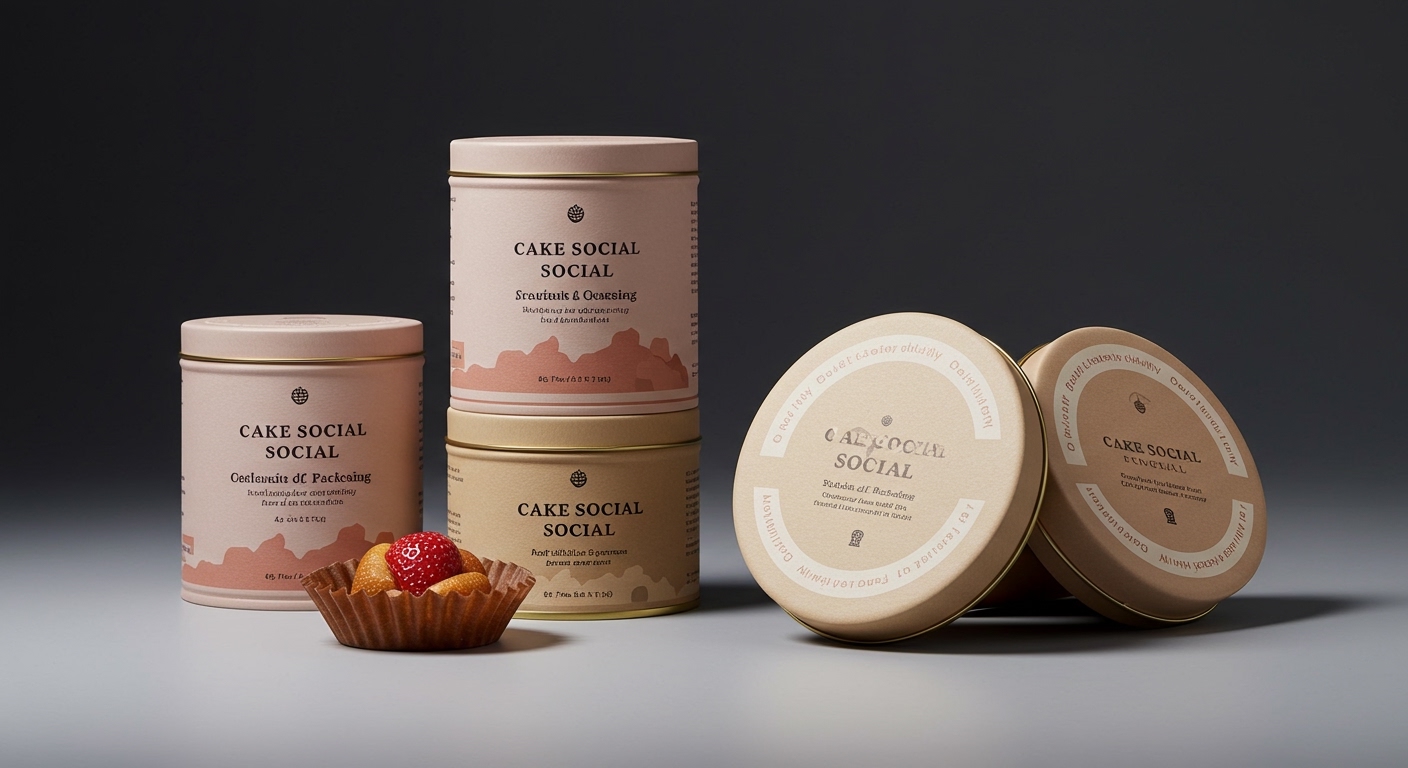
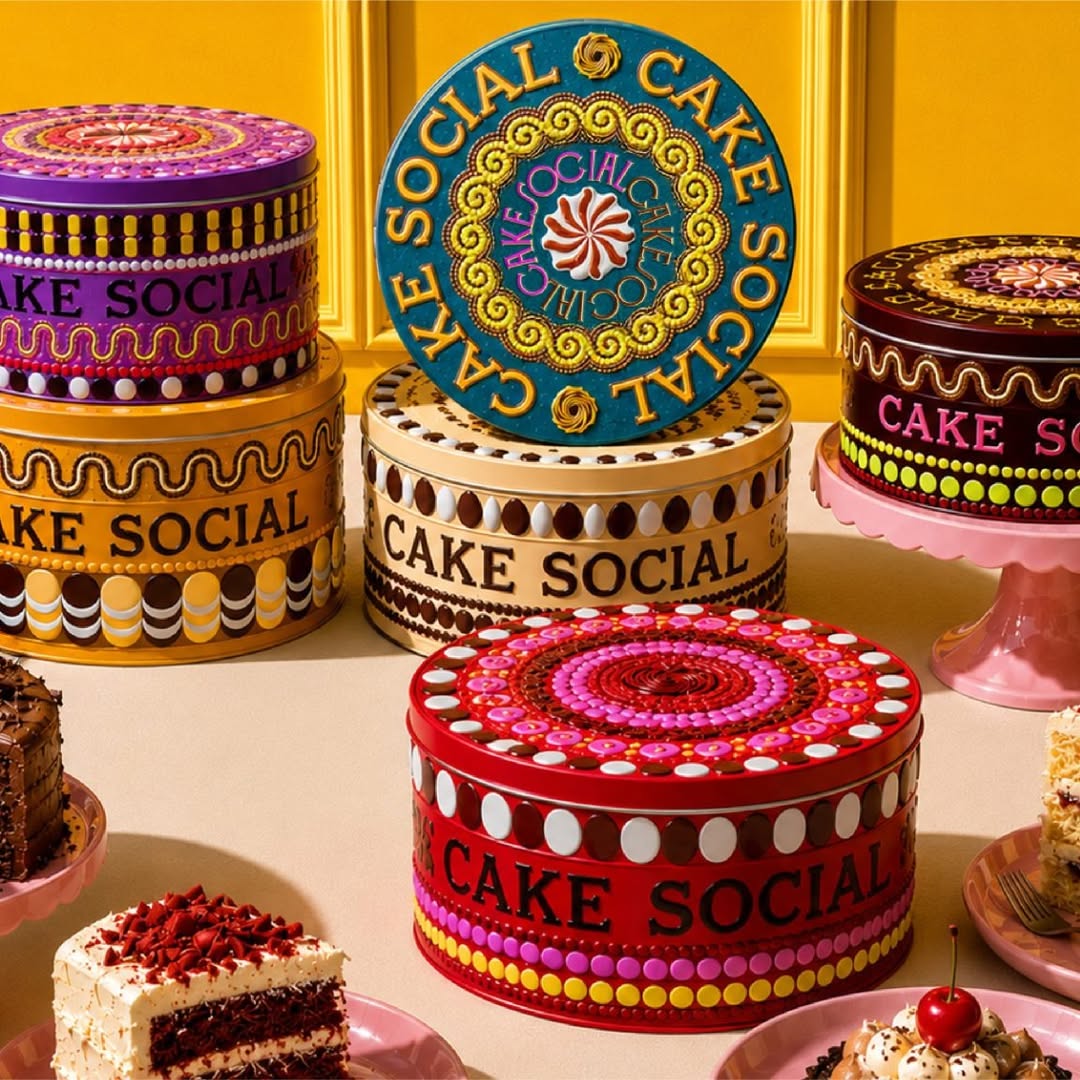
Cake Social’s collectible tins transform product packaging into a primary artifact of the brand experience, designed to be as memorable as the product itself.
A distinct pattern emerges from recent packaging innovations: successful designs are increasingly transcending their role as mere containers to become integral, even celebrated, parts of the consumption experience. This shift prioritizes enduring physical presence and sensory engagement over pure functional utility or an often-superficial digital appeal. Brands are recognizing that the tangible interaction with packaging at the moment of purchase and during unboxing creates a deeper connection than screen visuals alone can convey.
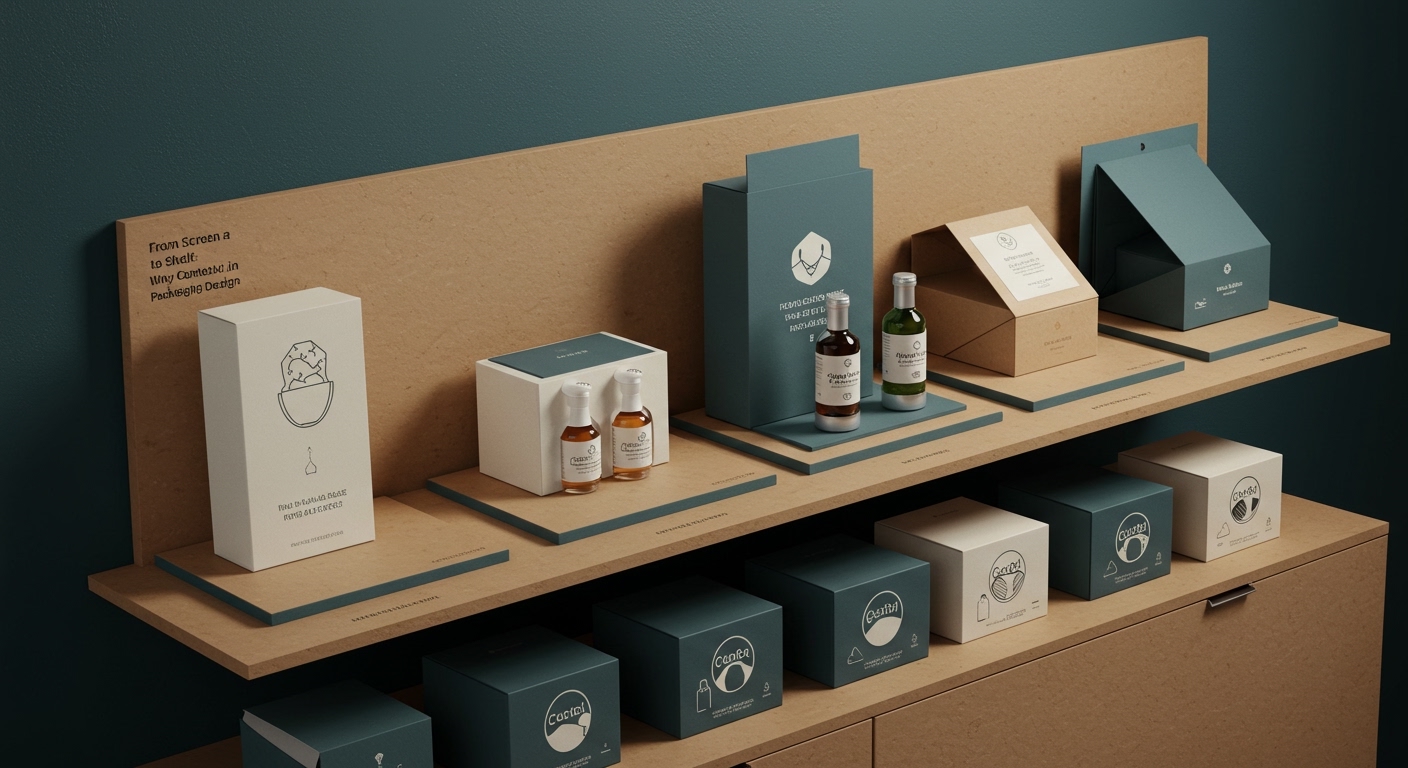
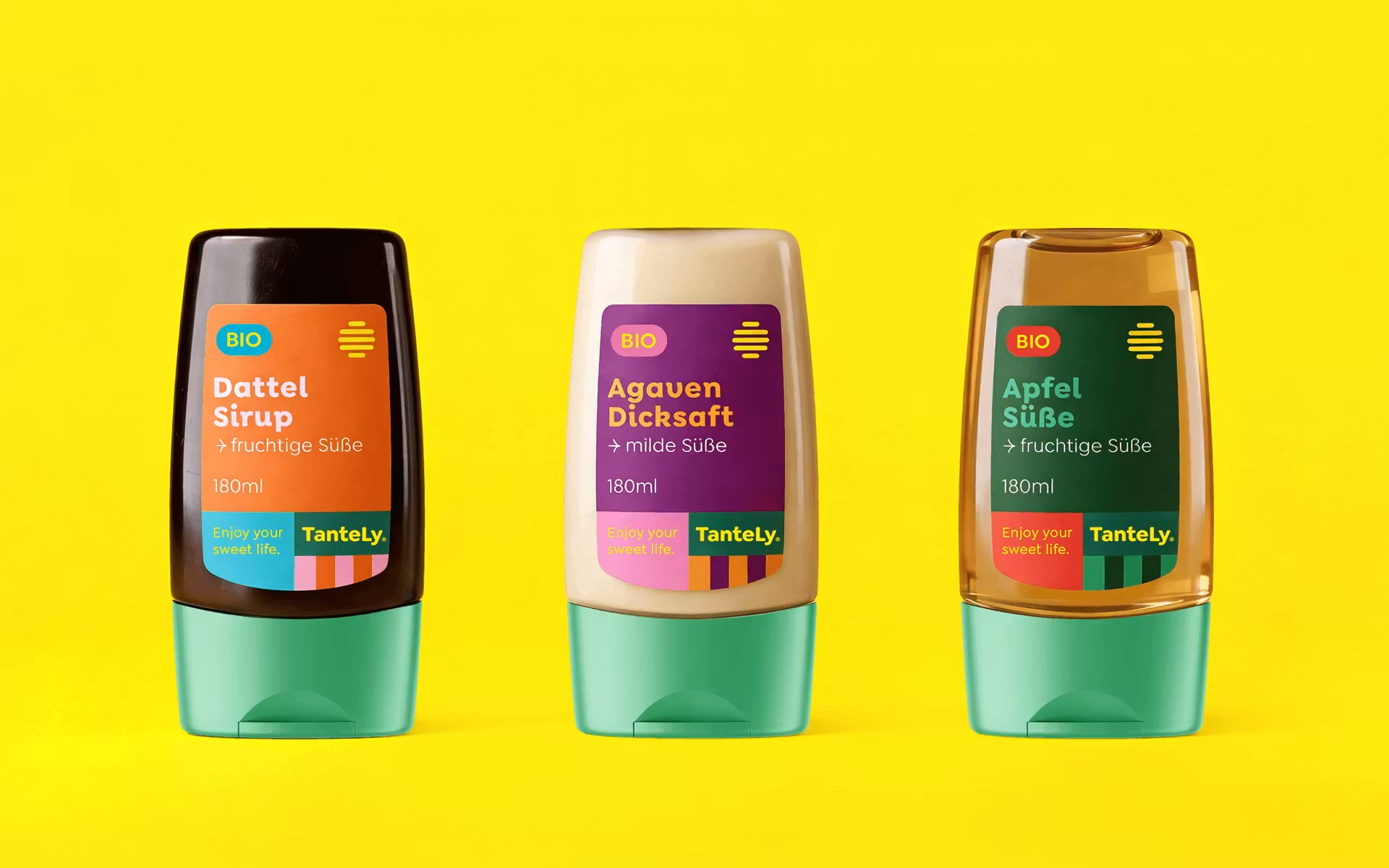
Studio Chapeaux’s approach for TanteLy honey exemplifies this by treating each jar as a distinct “world of color,” differentiating every variety through unique visual language tied to its origin. This strategy directly counters the mainstream industry assumption that sustainable packaging must visually communicate its eco-credentials through muted tones, recycled textures, or minimalist aesthetics. While material efficiency is crucial, a packaging’s true sustainability is also amplified by its ability to engage consumers over time, encouraging retention or reuse. Designing for high desirability and collectibility, as seen with Cake Social, inherently extends the packaging’s lifecycle beyond its initial function, reducing its likelihood of immediate disposal. This emotional investment in the physical object often has a greater, longer-term impact on resource use than a purely material-focused approach. Brands that invest in packaging with strong emotional resonance and aesthetic value are building assets, not just containers. By mid-2028, successful brands will increasingly prioritize packaging designs that embody a strong, distinctive brand personality over generic ‘sustainable’ visual cues.
The primary resistance to this approach often comes from procurement departments and marketing teams focused on rapid turnover and cost-cutting, or those who misinterpret “sustainable” as meaning “cheap-looking.” There is also friction from the digital-first design mindset, highlighted by OurCreative’s Kim Van Elkan, where what renders well on a screen does not always translate effectively to the physical shelf or hand. Brands adhering strictly to a material-reduction-only sustainability model may also overlook the broader environmental benefits of packaging designed for longevity and desirability.
A working packaging professional should evaluate all new projects not just for material reduction, but also for opportunities to imbue the physical packaging with inherent value that encourages consumers to keep, reuse, or display it. This means integrating tactile elements, unique structural designs, or collectible visual narratives that extend the packaging’s useful life and reinforce brand loyalty, considering these aspects as core elements of sustainability alongside material choice.
TL;DR
Packaging’s future lies in becoming a desirable, kept object that amplifies brand identity, moving beyond mere containment and disposability.
Curated References

About this editorial — This piece was developed using AI-assisted research and curation across multiple industry sources. All analysis, opinions, and predictions represent the editorial perspective of JHDD. Sources are linked in the references section above.