JHDD Architecture Report — 2026.06.27
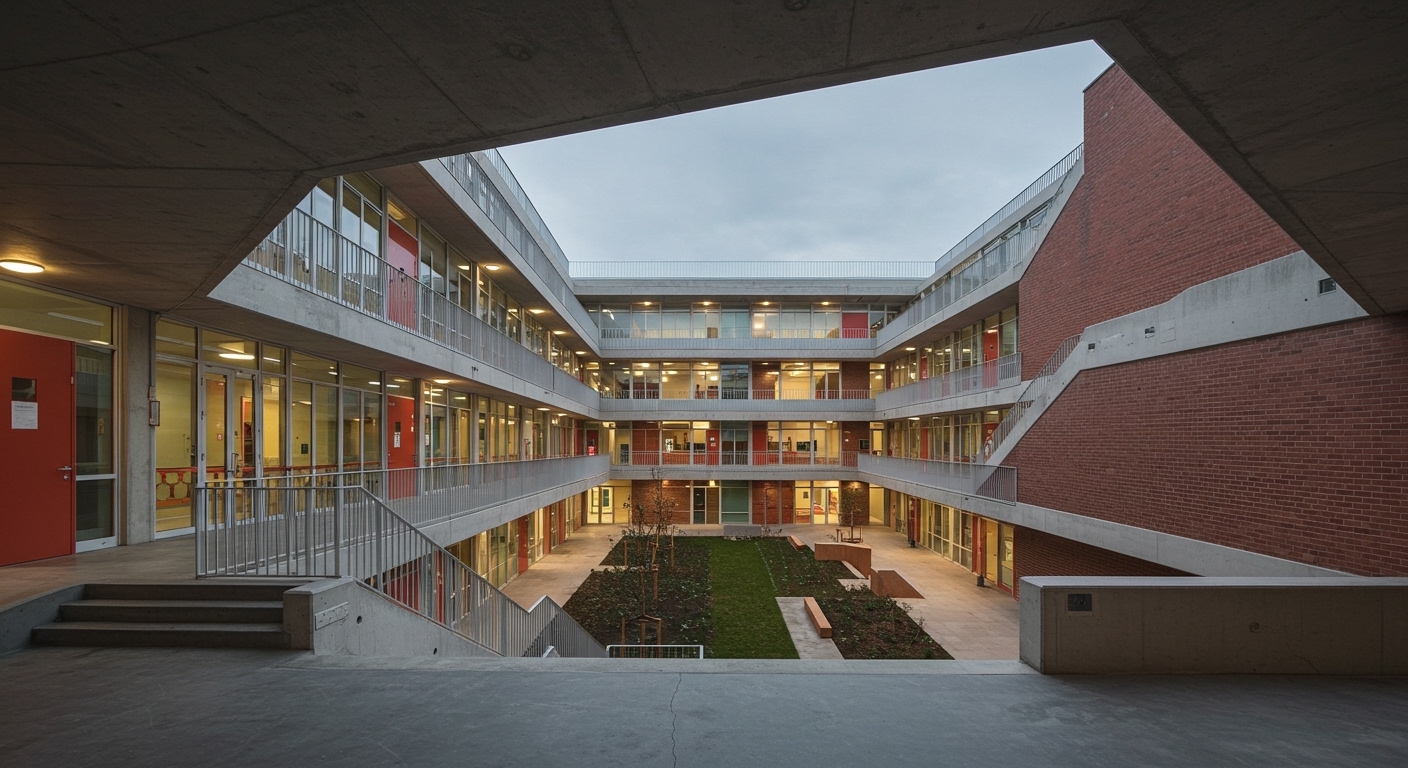
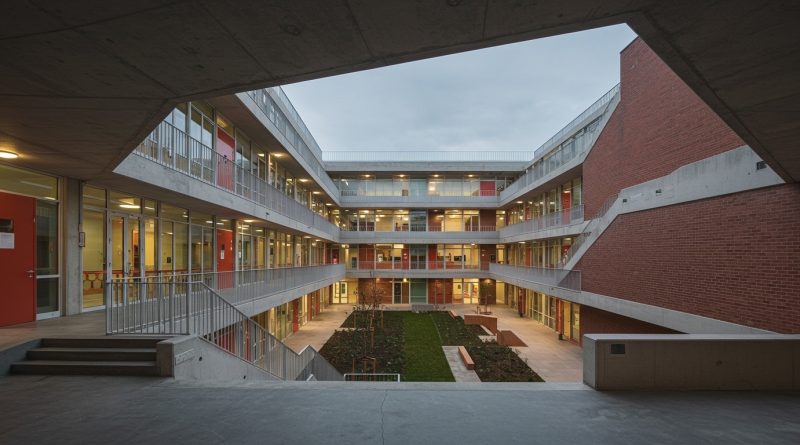
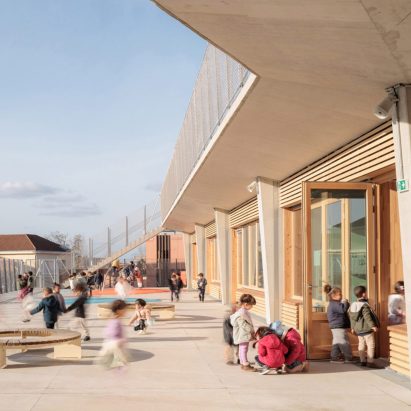
SAM Architecture’s Yvonne Kerzrého School Complex in Nanterre, France, positions cascading terraces and courtyards as integral components of its learning environment.
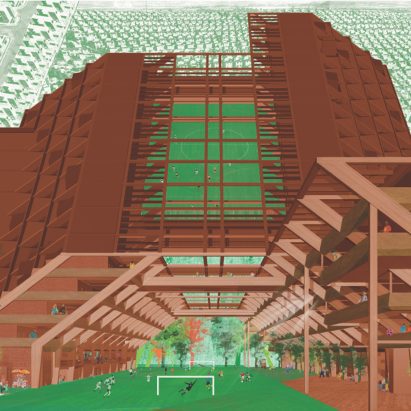
This project, alongside the Royal Danish Academy’s social housing centre in Mérida with its shaded football pitch, indicates a pattern of deeply embedded, context-responsive architecture. These designs move beyond singular aesthetic statements, instead prioritizing tangible social utility, climatic performance, and enduring material choices. The underlying thread is a growing imperative for architecture to solve specific urban and environmental problems through intelligent, human-scale intervention, rather than through abstract form-making or symbolic gestures.
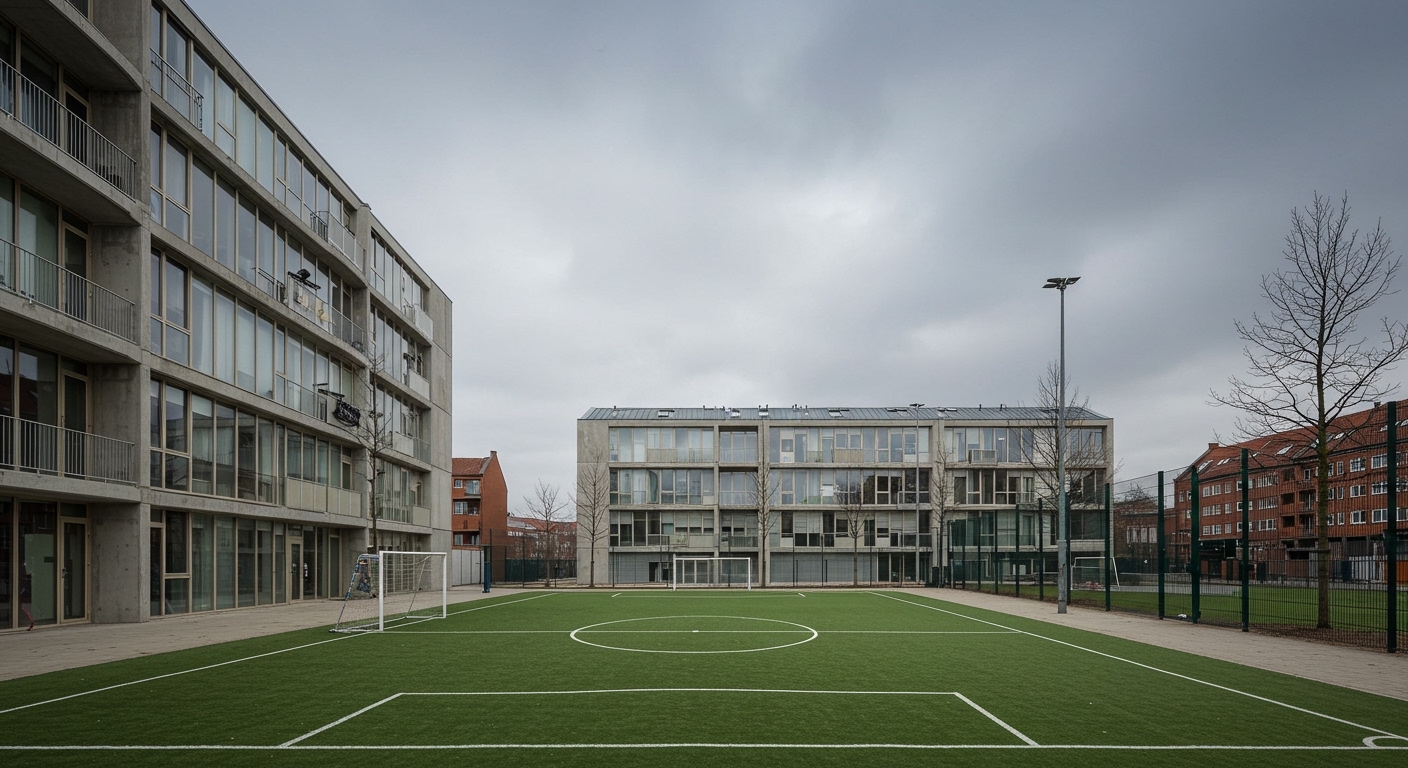
The Yvonne Kerzrého School Complex demonstrates a structural philosophy that actively shapes urban context and promotes sustainability. Its stepped configuration integrates outdoor spaces directly into the learning experience, a critical response to dense urban development like Paris’s Les Groues district. Mainstream architectural discourse often celebrates structural achievements in span or height. However, this project presents a counter-narrative, showing that structural innovation can manifest as finely articulated spatial arrangements that directly enhance user experience and microclimates. The sustainability inherent here is not an add-on, but a foundational principle of the building’s spatial and material logic, fostering an environment where children interact directly with their surroundings.
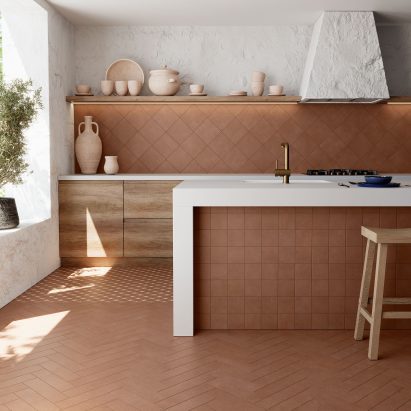
This approach aligns with a reappraisal of material innovation. El Barco’s Xian tile, which draws inspiration from the enduring Terracotta Warriors of Xi’an, challenges the conventional pursuit of entirely novel, high-tech composites. True innovation can also lie in a profound understanding and re-application of proven materials like terracotta, celebrated for its thermal mass and longevity. While the industry frequently champions proprietary new materials, the enduring appeal and structural integrity of such ancient materials suggest a path toward inherently sustainable, low-maintenance construction. By mid-2028, public sector commissions will increasingly specify natural, robust, single-source materials with demonstrated lifespans exceeding 75 years, reducing reliance on multi-layer composite systems.
The primary force resisting this shift is the prevailing economic model that prioritizes accelerated construction schedules and short-term cost savings. Developers and some public agencies often favor fast-track methods and readily available, standardized products, even if these compromise long-term performance, material honesty, or genuine urban integration. The ongoing development of Dar al Funoon Abu Dhabi, a monumental performing arts venue, while significant, represents a continued emphasis on large-scale, iconic statements that can sometimes divert attention and resources from more contextually responsive architectural solutions.
Architecture professionals should, this week, rigorously audit their current projects for material transparency and lifecycle impact. This involves actively seeking out and specifying regionally available, durable single-material systems – such as mass timber, unadorned concrete, or local brick – that minimize processing and maximize their potential for future adaptation or recycling. The aim is to move away from composite assemblies toward solutions that embody the integrity seen in the re-envisioned 1958 home by ONOMA Architecture.
TL;DR
Responsible architecture embeds enduring materials and integrated design within its immediate context, resisting short-term economic pressures and monumental aspirations.
Curated References

About this editorial — This piece was developed using AI-assisted research and curation across multiple industry sources. All analysis, opinions, and predictions represent the editorial perspective of JHDD. Sources are linked in the references section above.