Julian’s Packaging Insight — 2026.06.01

The most profound packaging innovation might be the one that makes you forget you’re holding a product at all.
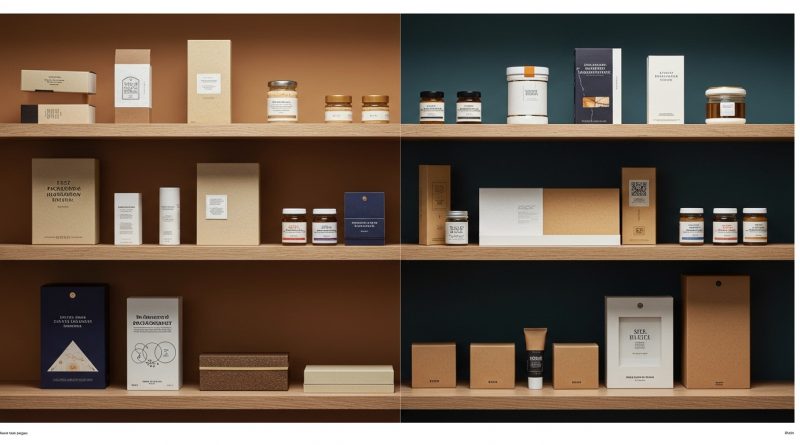
The contemporary packaging landscape is a battleground where sensory engagement dictates victory. Consumers, increasingly aware of their environmental footprint, demand sustainable materials that don’t compromise the tactile richness of a product’s introduction. Shelf impact, once solely the domain of bold graphics, now hinges on an authentic narrative conveyed through texture and form. This is where tactile branding transcends mere aesthetics; it becomes the silent language communicating a brand’s ethos, its provenance, and its promise, transforming the fleeting moment of unboxing into an enduring connection.

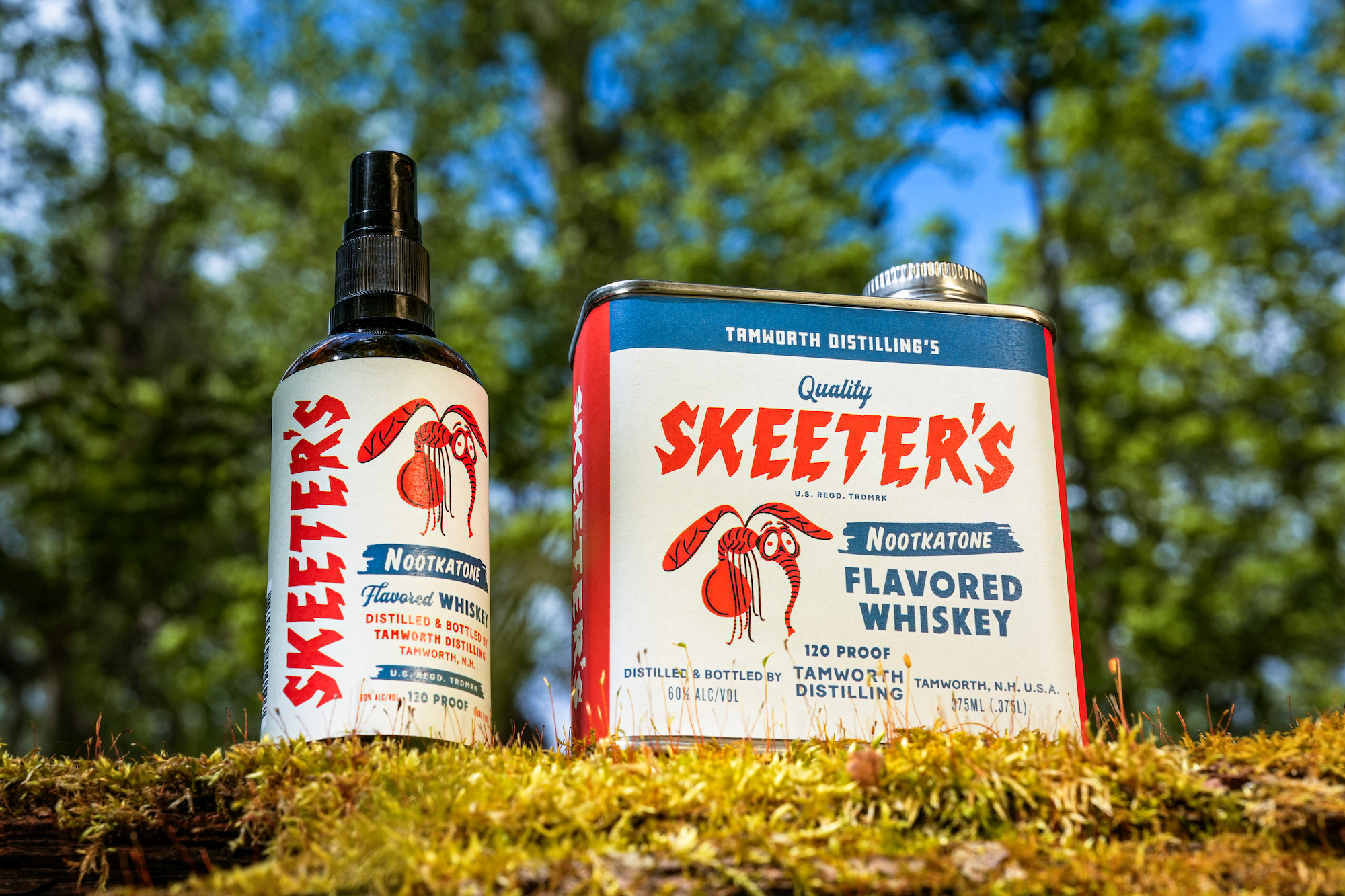
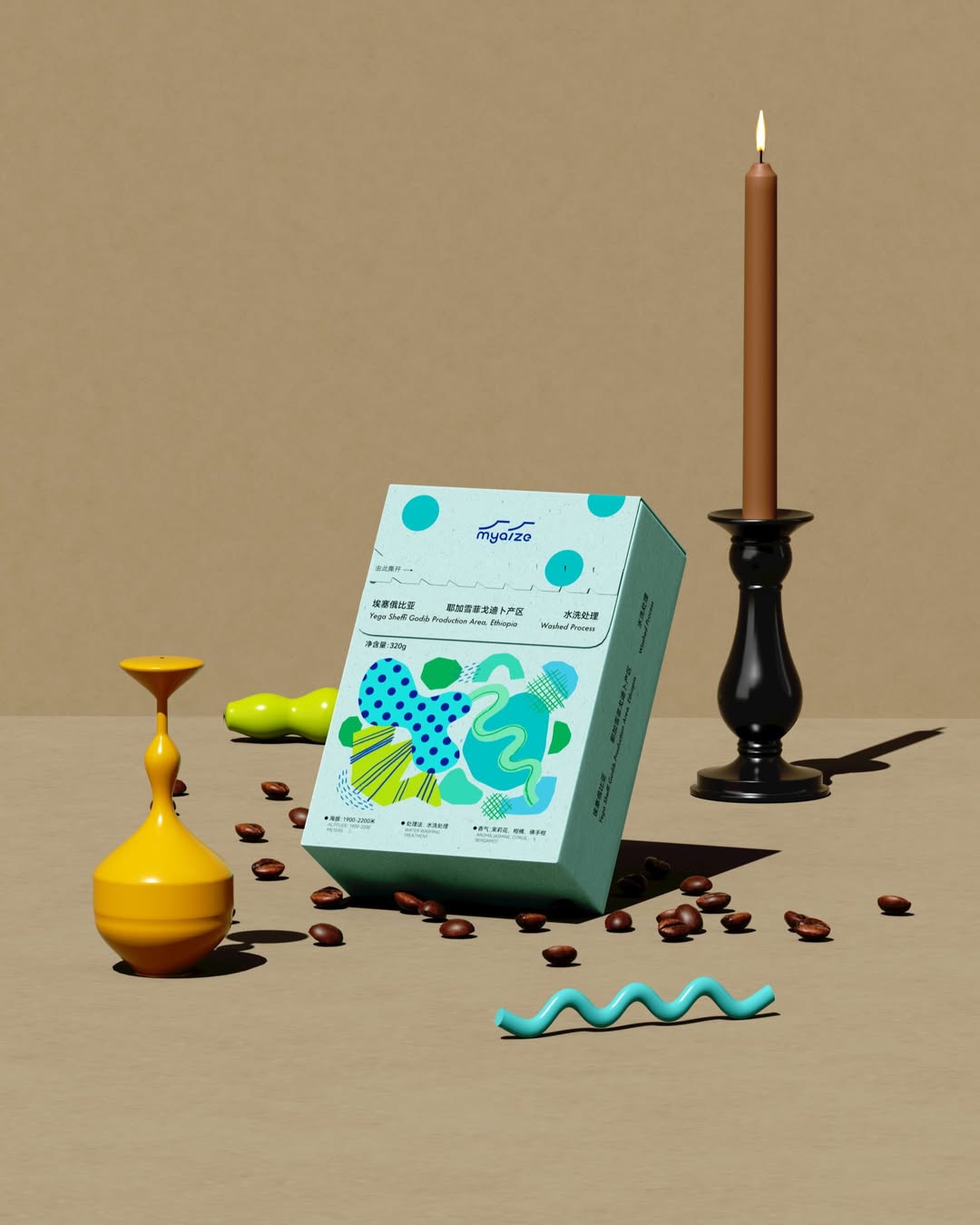
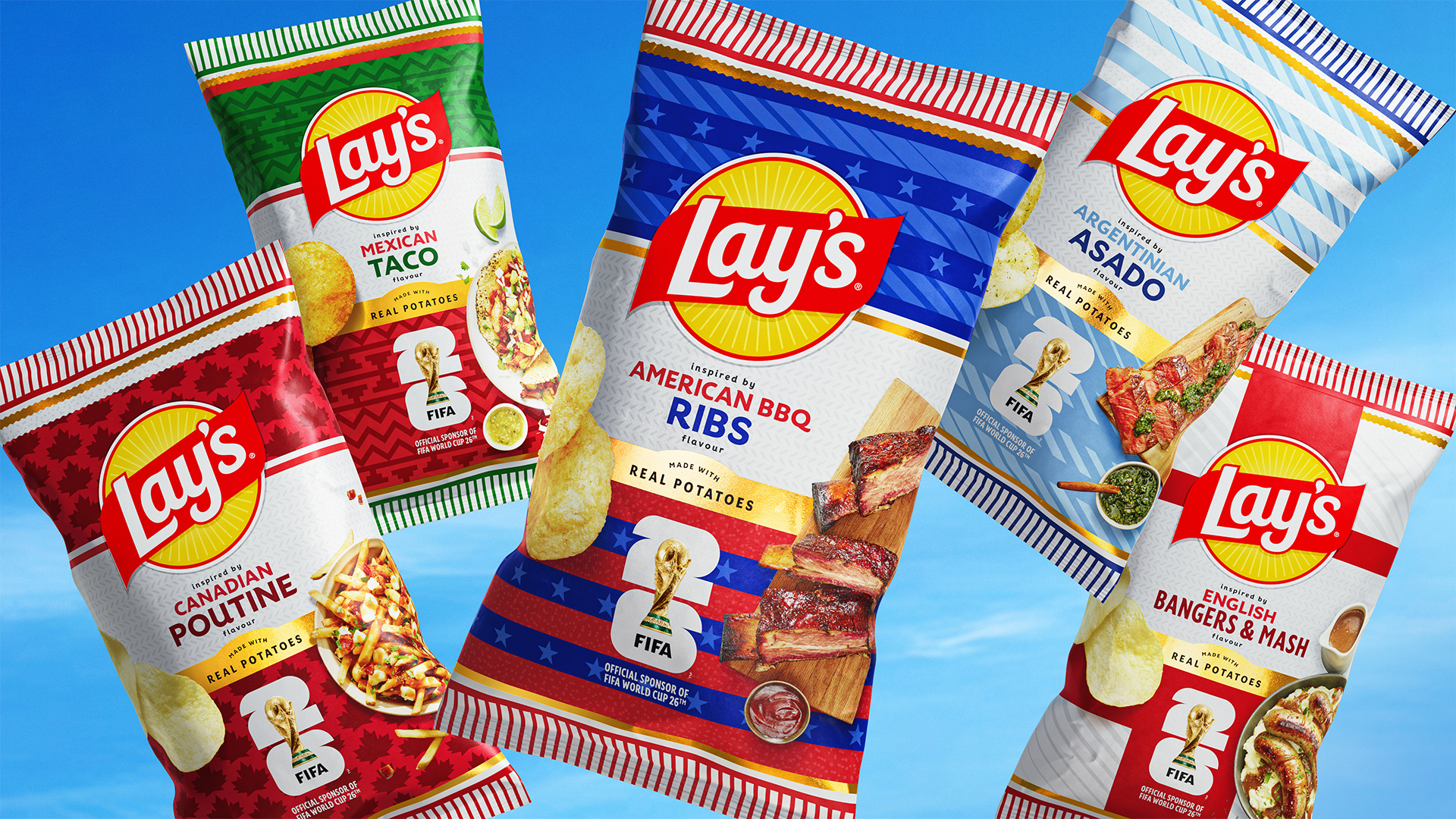
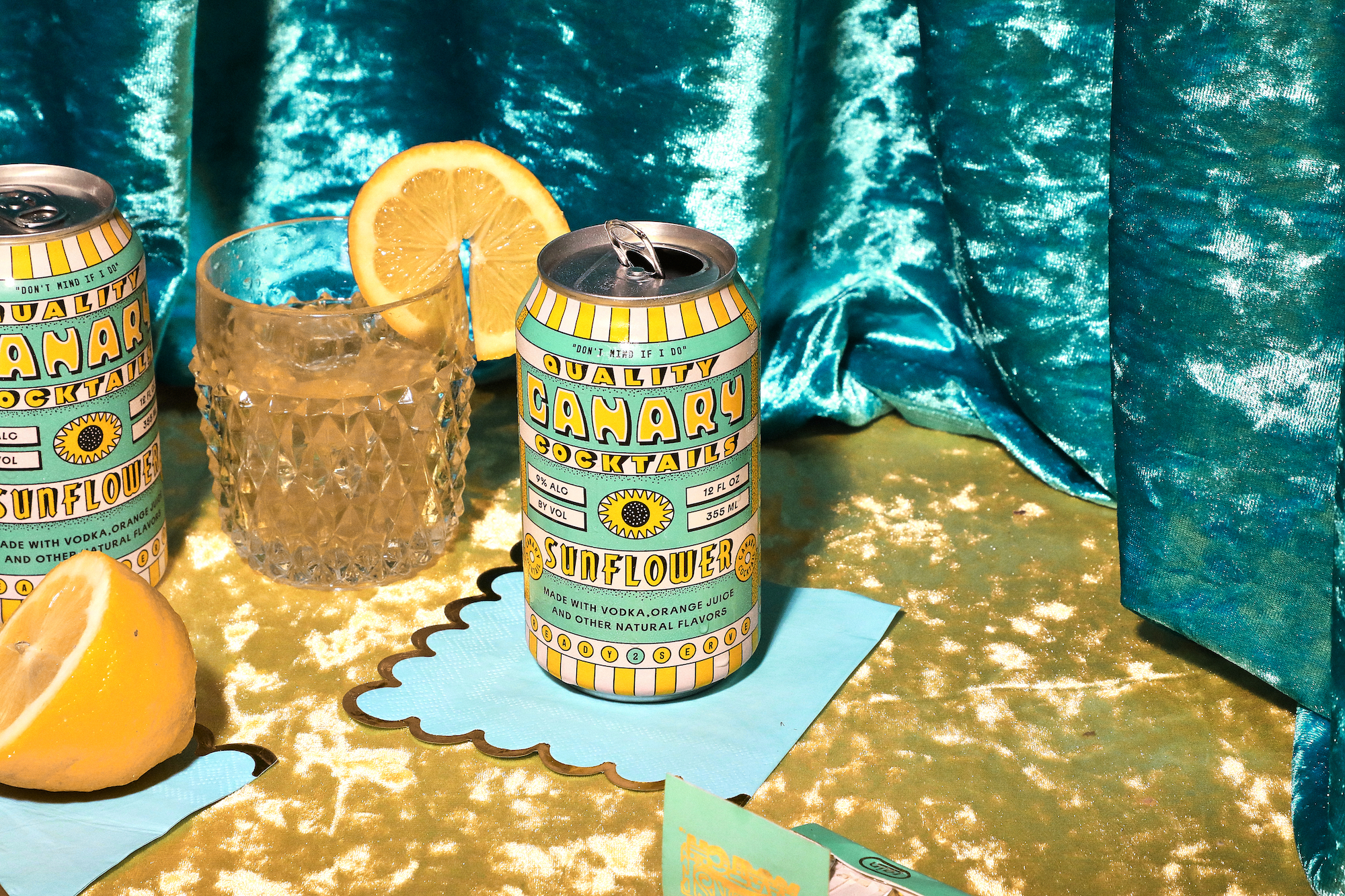
The recent wave of packaging design showcased in these reports signals a decisive departure from the sterile, utilitarian, or overly minimalist approaches that have long defined categories. Myaze’s coffee, drawing inspiration from collectible cigarette packs with its Memphis-inspired abstract graphics and distinct color worlds, offers a vibrant, almost defiant alternative to the predictable earth tones and origin maps of third-wave coffee. Similarly, Lay’s collaboration with the FIFA World Cup, ingeniously translating the layered symbolism of soccer fan scarves into country-coded chip bag designs, demonstrates a sophisticated understanding of cultural iconography and its potential to create a deeply resonant, collectible product. This isn’t just about flavor; it’s about belonging and shared experience, rendered tangible through design. Canary Cocktails, with its “unholy union of art deco and alien folk art,” eschews the prevailing hyper-masculine tropes of ready-to-drink beverages, opting instead for a transportive, psychedelic aesthetic that speaks to a desire for emotional escape and artistic expression. Even Tamworth Distilling’s Skeeter’s Nootkatone Flavored Whiskey, while ostensibly functional, injects personality into a practical item with its retro Americana charm, proving that utility and narrative can coexist beautifully.
The tension lies between the urgent call for demonstrable sustainability and the burgeoning demand for hyper-expressive, almost performative packaging. We’re witnessing brands grapple with the imperative to appear eco-conscious through material choices, while simultaneously pushing the boundaries of visual and tactile storytelling to create memorable, even ostentatious, experiences. The challenge is to achieve radical self-expression and create deeply engaging tactile branding without resorting to excessive material use or environmentally detrimental processes. The risk is that in the pursuit of “cool” or collectibility, brands might inadvertently create packaging that is ultimately disposable in the most problematic sense.
Within the next five years, expect to see an explosion of “material alchemy” in packaging, where recycled and bio-based materials are not just functionally sound but are engineered to possess novel tactile qualities – think biodegradable papers with the subtle grain of aged leather or compostable films that mimic the cool, smooth finish of polished stone, all while conveying deeply personal brand narratives.
TL;DR
Packaging is evolving from a functional container to a tactile narrative, blurring lines between product and art, but the challenge of true sustainability remains paramount.