JHDD 3D Modeling Report — 2026.06.26
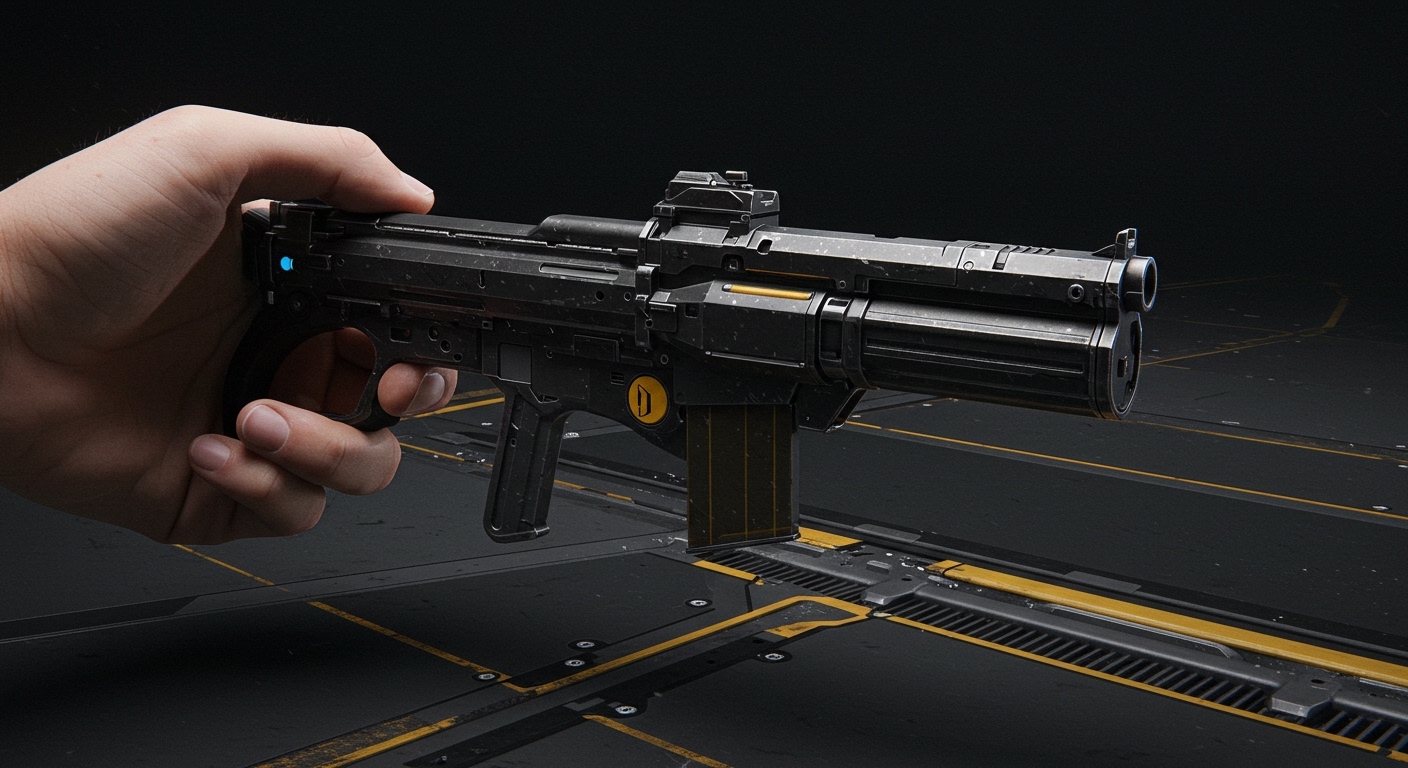
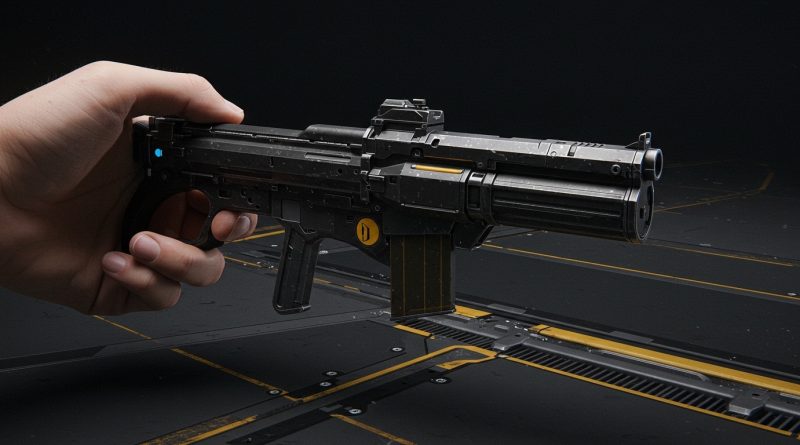
The Flexible Recoil System, a Unity tool, enables designers to draw FPS recoil patterns directly within the editor, providing a precise, artist-driven approach to game mechanics.
This recent emphasis on highly specialized tools and curated asset libraries reveals a significant shift in digital fabrication. Instead of broad, all-encompassing solutions, the current trend is towards empowering artists with granular control over specific, complex details or providing ready-to-integrate elements that elevate realism and efficiency. This pattern is evident across game development, character design, and virtual space creation, pointing to a sophisticated evolution of the artist’s toolkit.
Consider Sherif Dawoud’s ZBrush polypainting tutorial for hands. This type of hyper-specific guidance for anatomical detail, coupled with resources like the 130+ Hair Cards collection, highlights a persistent demand for realism and high-fidelity assets that often require significant manual effort. The conventional wisdom frequently suggests that true efficiency lies in fully automated, black-box procedural systems that generate entire environments or characters with minimal human input. This perspective often misses a critical nuance regarding artistic intent and precise control.
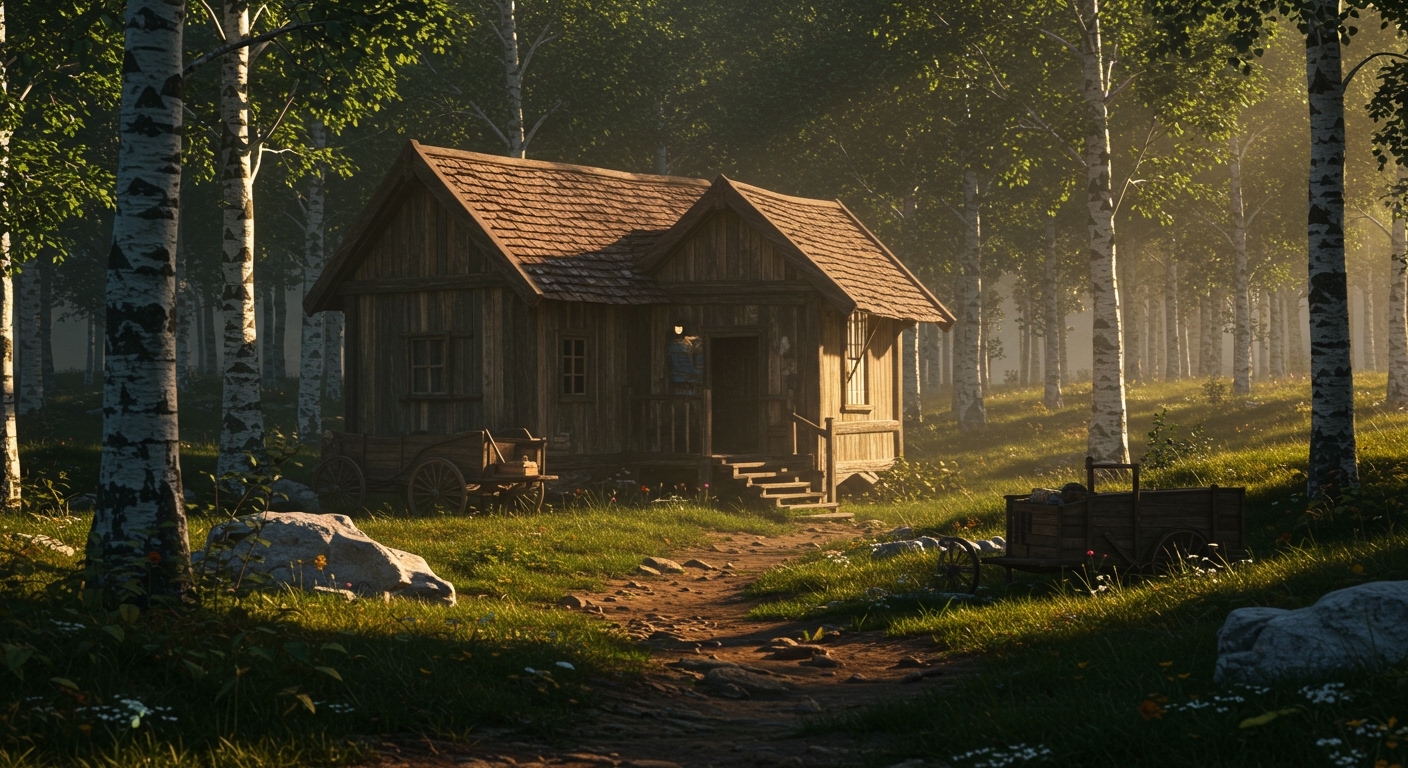
The contradictory view holds that the most impactful advancements in procedural generation are not in full automation, but in systems that provide artists with intuitive, direct control over procedural parameters, acting as intelligent extensions of their manual skills. The flexibility to draw recoil patterns, or to select from a diverse collection of hair cards rather than generating from scratch, exemplifies this. It allows artists to focus creative energy on the unique aspects of a project, like the “nostalgic vibes” of Arcadian Days, while specialized tools handle the intricate, repetitive, or technically demanding aspects of hyper-realism and virtual space construction. By late 2027, studios will prioritize internal development and adoption of procedural tools that blend artistic input with algorithmic efficiency, moving away from monolithic generators towards artist-customizable micro-generators for specific effects like dynamic texture weathering or volumetric lighting within virtual spaces.
The primary opposing force to this evolution comes from two fronts: the inherent inertia of established, often siloed, manual workflows and a segment of the artistic community that views algorithmic assistance as fundamentally antithetical to creative expression. The explicit mention of a “Dark Fantasy-Inspired Animated Short In Blender” being “made entirely by humans” reflects this sentiment, positioning human-only creation as a marker of artistic purity against perceived machine encroachment. This resistance, while understandable, risks overlooking the potential for sophisticated procedural methods to expand, rather than diminish, creative scope.
A 3D Modeling professional should dedicate time this week to reverse-engineering how a high-quality asset, such as a specific hair card from the 130+ collection, achieves its realism, and then attempt to integrate a similar element with a procedural modifier in their preferred DCC software. This means moving beyond simply applying pre-made assets or using basic procedural tools, and instead actively experimenting with how manual detail and procedural generation can be blended to achieve novel results in virtual spaces and character design.
TL;DR
Blending artist-driven control with procedural tools and curated assets redefines digital content creation.
Curated References
About this editorial — This piece was developed using AI-assisted research and curation across multiple industry sources. All analysis, opinions, and predictions represent the editorial perspective of JHDD. Sources are linked in the references section above.