
JHDD UI UX Report — 2026.06.24
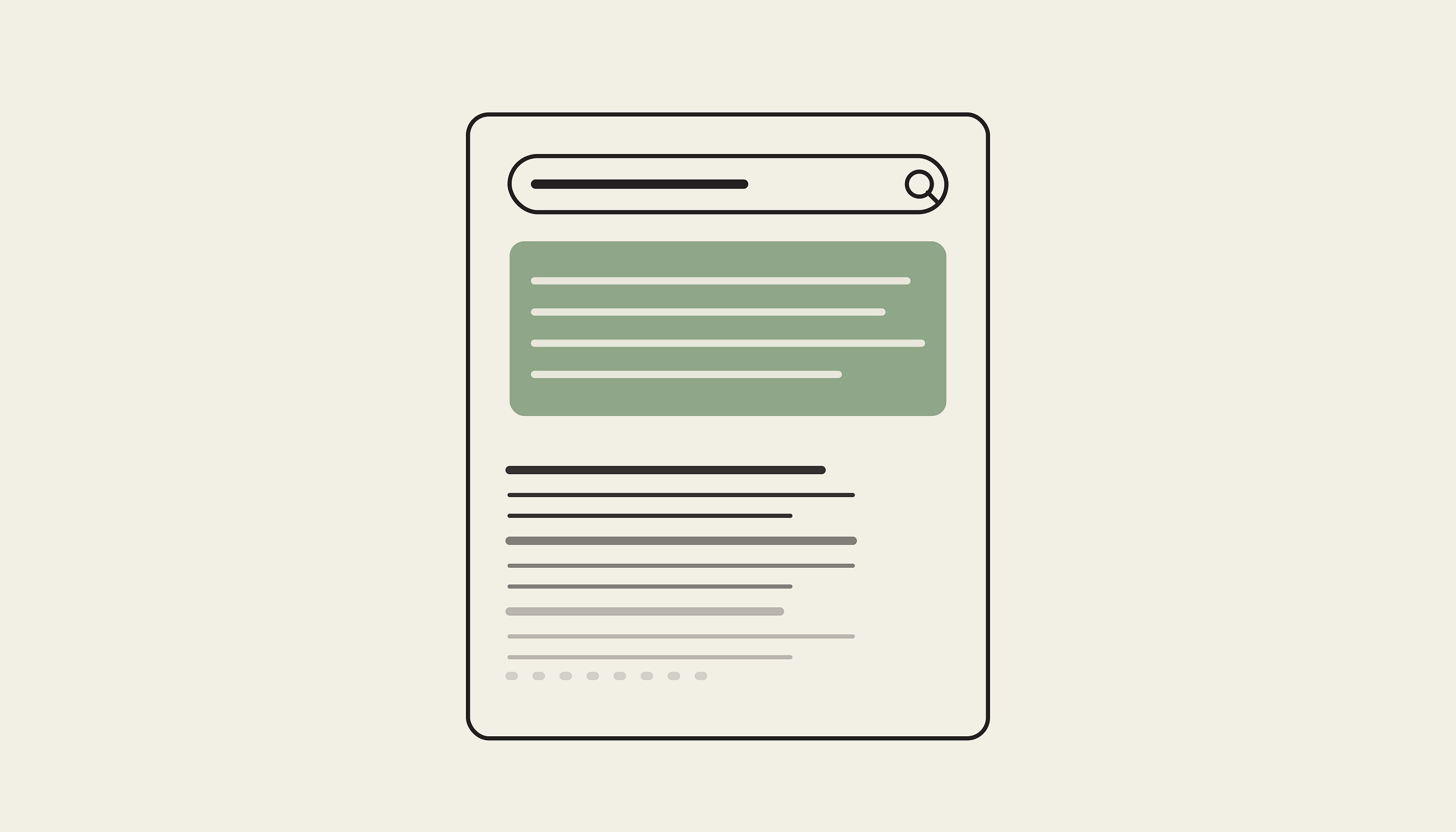
Google AI Search’s reported numerical improvements reveal a growing systemic vulnerability.
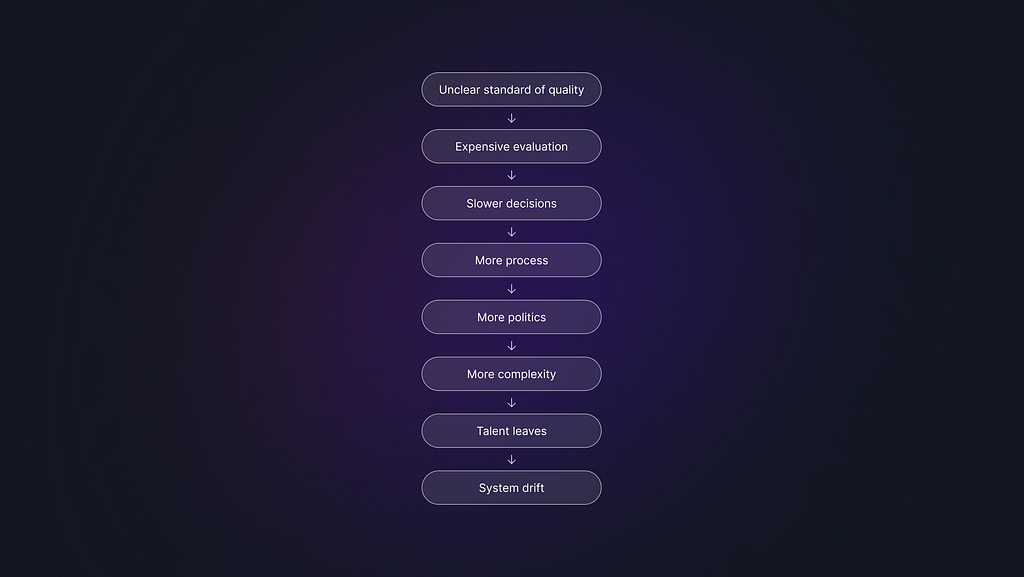
The common thread across recent industry observations points to a widening gap between functional creation and qualitative design. AI tools are enabling individuals and teams, including PMs and sales teams, to build working prototypes with remarkable speed and apparent functionality. However, this accessibility to creation does not inherently scale judgment or a shared sense of quality within an organization. It frequently bypasses established interaction patterns and existing design system components, leading to subtle but accumulating design debt in overall system coherence, maintainability, and ultimately, user experience.

This dynamic challenges conventional wisdom about design scaling. Many industry voices celebrate AI’s ability to accelerate design output, viewing it as a tool that democratizes interface creation across an organization. They argue that if “it functions,” then it is sufficient for rapid iteration and user validation. However, the reality is that while output quantity can increase dramatically, the intrinsic value of that output, in terms of usability, accessibility, and long-term maintainability, often diminishes without expert oversight. For example, when PMs and sales teams build functional prototypes with AI, the problem is not that they fail to work. It is that “interactions are slightly off, components do not quite fit the pattern, decisions made sense in the moment but will create friction as the product grows or when someone tries to bring it into visual alignment with everything else.” These issues, individually minor, erode the consistency and integrity of the product experience, impacting user trust and increasing the organizational cost of low taste.
This accumulating design drift is a direct consequence of a missing “framework for what ‘right’ looks like beyond ‘it functions.'” Senior designers are not valuable for knowing shortcuts; they are valuable for understanding what problems are worth solving and how to ensure new solutions integrate seamlessly into a broader system. This shift in the design landscape means DesignOps roles must increasingly prioritize establishing and maintaining a robust design vision and governance, rather than merely focusing on process efficiency or tool deployment. By mid-2028, organizations that have rapidly deployed AI-generated interfaces without strong, centralized design governance will face escalating maintenance debt, a fragmented user experience, and measurable declines in user engagement directly attributable to accumulated, minor friction points and accessibility oversights.
The primary force resisting a more considered approach to AI-assisted design is the immediate gratification derived from functional output and the intense organizational pressure for rapid deployment. Metrics often focus on delivery speed and basic functionality, overlooking the qualitative aspects that impact long-term user satisfaction and product health. This environment frequently prioritizes an “it works” mentality over “it works well, consistently, accessibly, and sustainably,” thereby obscuring the true organizational cost of low taste. A shared sense of quality and adherence to established design systems are frequently bypassed in favor of expedient output, pushing the true cost of unconstrained AI creation downstream onto maintenance teams and future design iterations.
A UI UX professional should immediately audit existing design systems for robustness in defining granular interaction patterns and explicit accessibility guidelines. They must then actively evangelize these standards across all product and engineering teams, specifically focusing on how AI tools can adhere to, rather than bypass, established patterns and principles. This includes integrating design system validators or compliance checkers directly into AI-driven prototyping and development workflows, effectively shifting the professional’s role from solely creating new interfaces to actively curating, guiding, and enforcing systemic design quality at scale.
TL;DR
AI tools create functional interfaces easily, but human design judgment remains essential for systemic quality and usability.
Curated References



About this editorial — This piece was developed using AI-assisted research and curation across multiple industry sources. All analysis, opinions, and predictions represent the editorial perspective of JHDD. Sources are linked in the references section above.