JHDD Interior Report — 2026.06.24
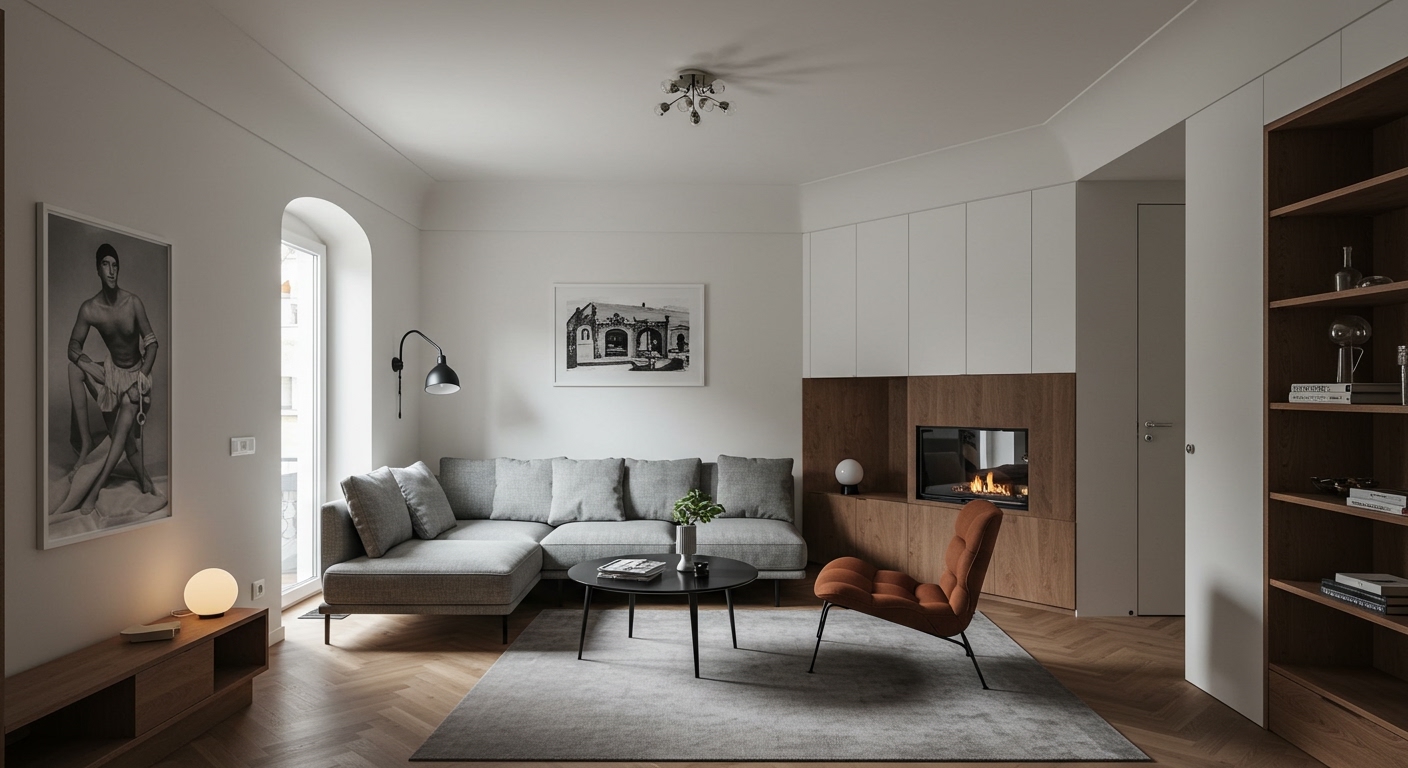
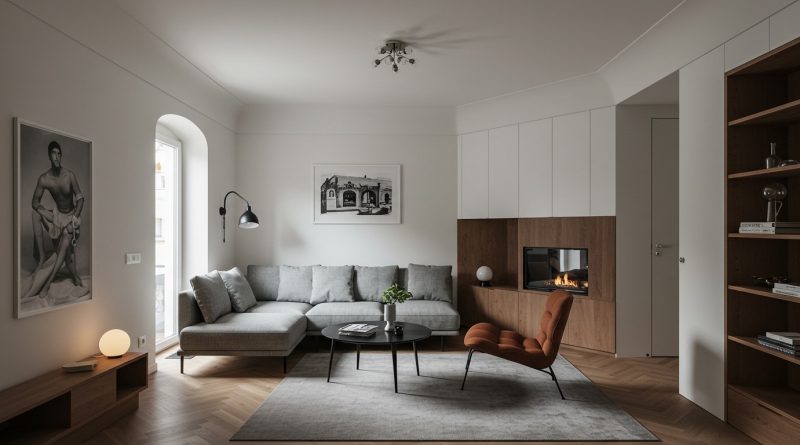
Dawid Konieczny’s 34-square-metre apartment in Warsaw uses curved walls and bespoke joinery to maximize efficiency. This project, alongside Clap Studio’s “most music-respectful room” for Spook nightclub and Diamond Schmitt’s adaptation of the Bramalea Civic Centre into the TMU School of Medicine, reveals a sustained shift. The prevalent design impulse is to engineer intensely specific environments for particular human actions, rather than creating generically adaptable spaces. Materiality, spatial organization, and the resulting tactile experience are now leveraged not just for aesthetics, but to precisely dictate a desired user state or activity.
Clap Studio’s work for Spook nightclub illustrates this. Their concept of a “most music-respectful room” challenges conventional club design, which often prioritizes visual spectacle and open, undifferentiated dancefloors. Mainstream club design frequently uses sound systems as an additive layer to an otherwise architecturally neutral box. This approach misses the opportunity to sculpt sound itself through physical space. Clap Studio explicitly sought “dead rooms” for inspiration, focusing on acoustic absorption and reflection to shape sonic flow and tactile experience. This is counter to the mainstream notion that more open space equals better flow or that sound is purely an engineering problem separate from the architectural envelope. The studio’s detailed approach to acoustic materiality means the very walls and surfaces become instruments in the sound experience.
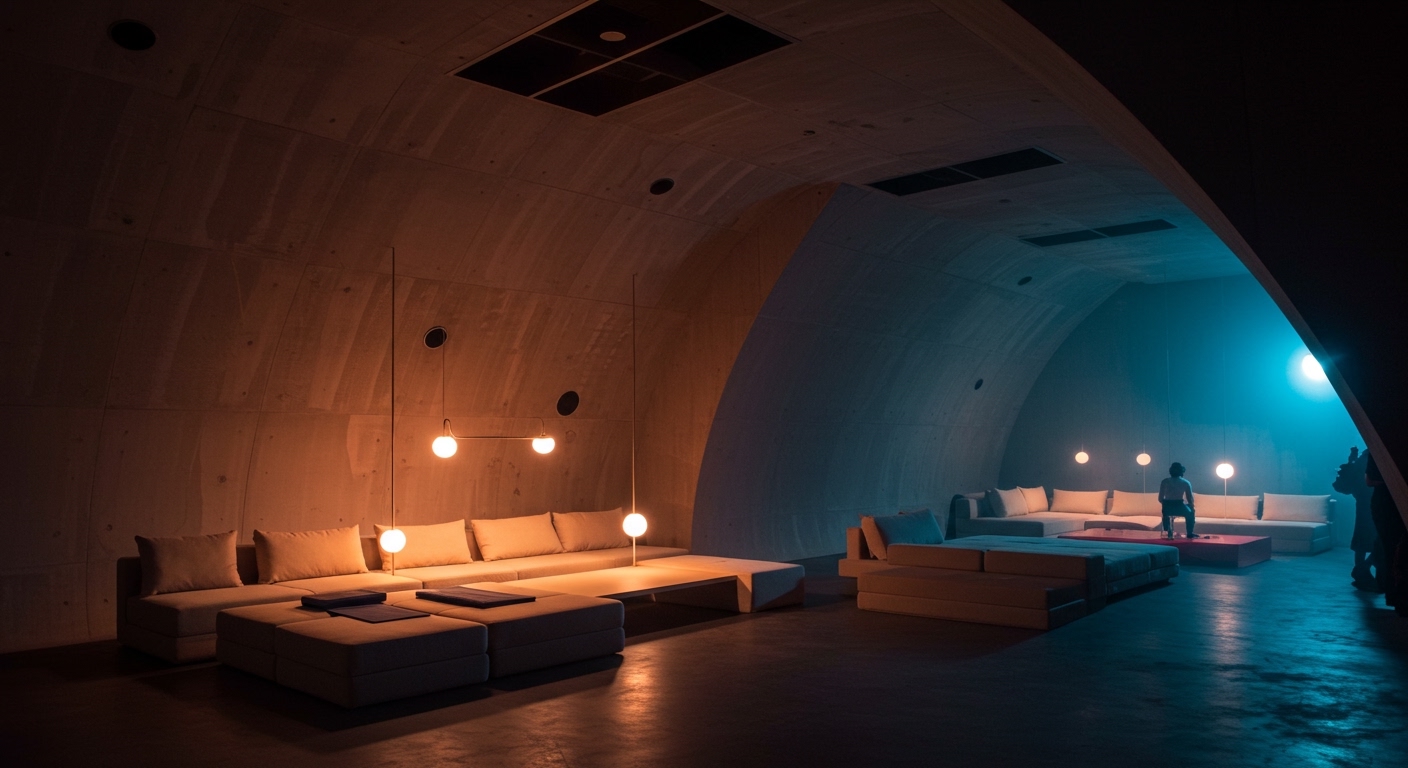
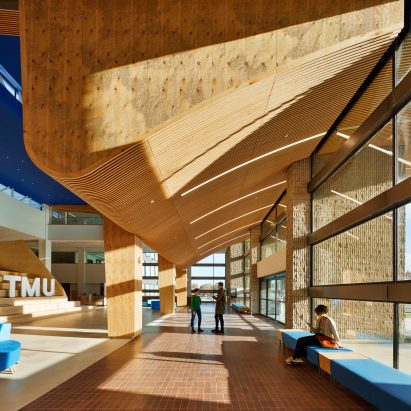
The industry generally seeks “flexibility” as a default, especially in commercial or public spaces, assuming adaptability future-proofs a design. However, the emerging trend demonstrated by Spook’s El Cubo room suggests that luxury and impact increasingly stem from precisely limiting options to optimize a singular, intense experience. This specialized intent results in spaces with heightened spatial tension. The choice of materials, from the wood-clad structural elements in Diamond Schmitt’s TMU School of Medicine to Dawid Konieczny’s bespoke joinery, is no longer merely decorative. These elements are integral to shaping specific human flows and tactile engagements. Within two years, more large-scale civic and commercial projects will feature distinct, experientially-engineered zones, moving away from universalist design principles in favor of prescriptive sensory environments.
This push for highly curated spatial experiences meets resistance from value engineering frameworks that prioritize lowest common denominator material specifications and standardized components. Generic, easily replaceable surfaces and modular systems, often chosen for cost-efficiency or perceived maintenance ease, actively work against the creation of specific tactile qualities and integrated spatial tension. Furthermore, certain developers still perceive highly specialized environments as having limited resale value or appeal, clinging to broad marketability over distinct character.
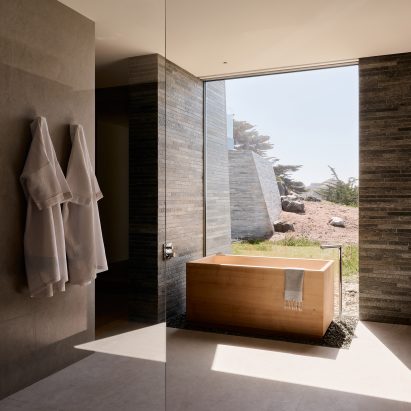
Interior professionals should critically analyze their material palettes for specific sensory impact rather than broad aesthetic appeal. Instead of simply selecting finishes for color or texture, consider how a material’s acoustic properties, thermal conductivity, or haptic response will guide human interaction and movement within a specific zone. For example, when designing a residential bathroom, move beyond “large window” as a concept and consider the precise framing and material transition that intensifies the visual and tactile connection to an exterior element, as seen in the lookbook featuring a wet room surrounded by the Costa Rican jungle.
TL;DR
Design now demands highly specific spatial environments engineered for precise human experiences, rejecting generic flexibility.
Curated References



About this editorial — This piece was developed using AI-assisted research and curation across multiple industry sources. All analysis, opinions, and predictions represent the editorial perspective of JHDD. Sources are linked in the references section above.