JHDD Packaging Report — 2026.06.24
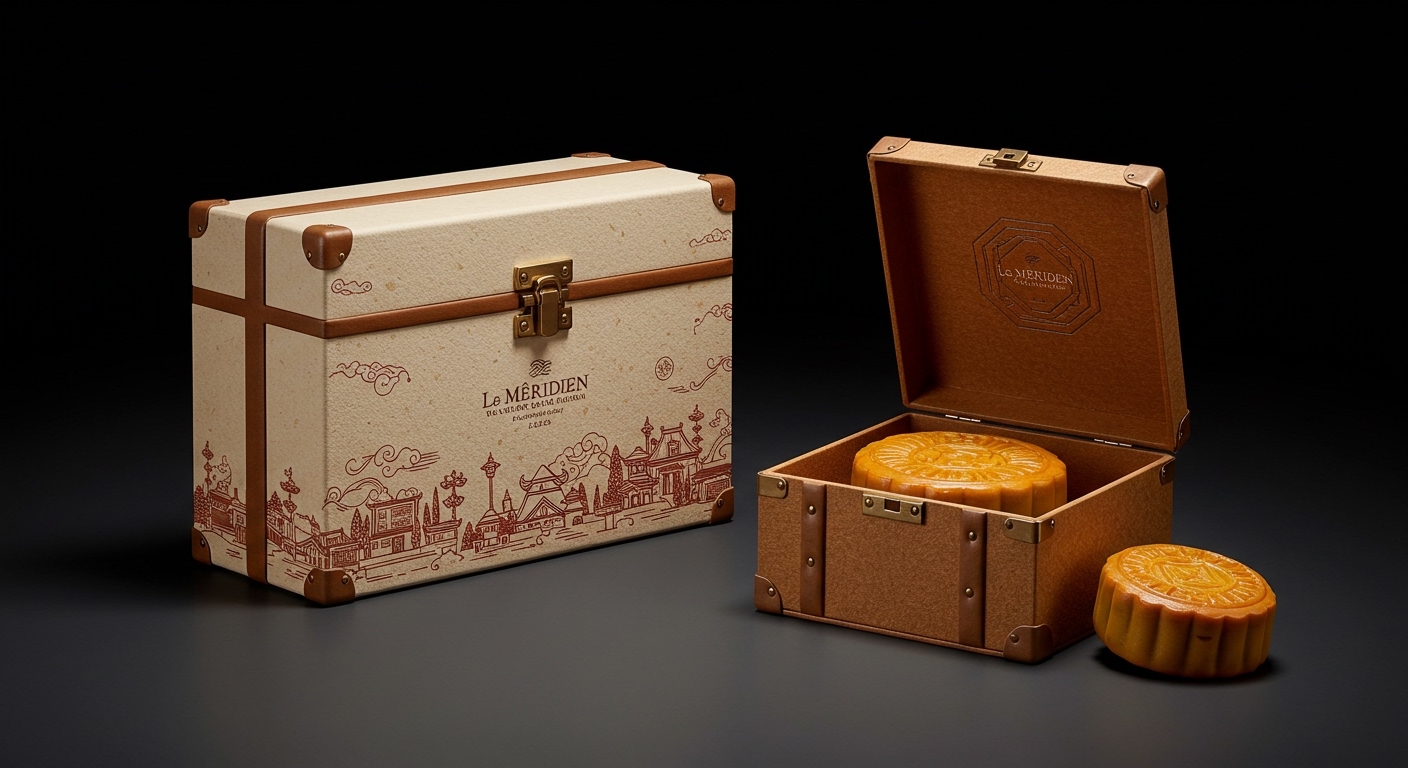
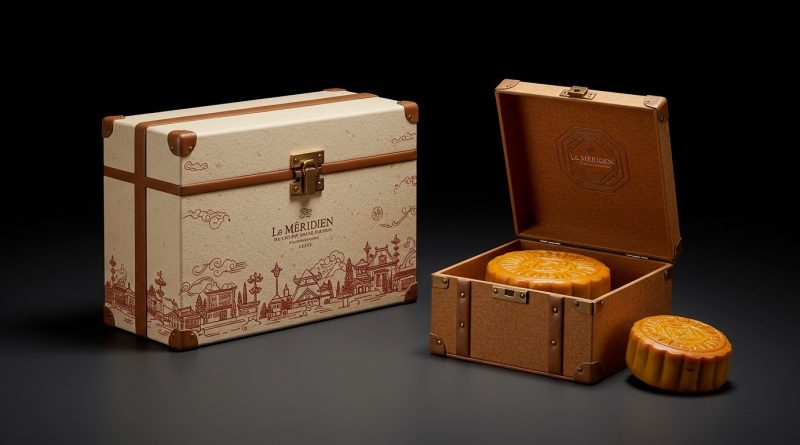
Le Méridien Saigon’s 2025 Mid-Autumn mooncake box, designed by Bracom Agency, unfolds like a miniature travel trunk to reveal a panoramic city scene.
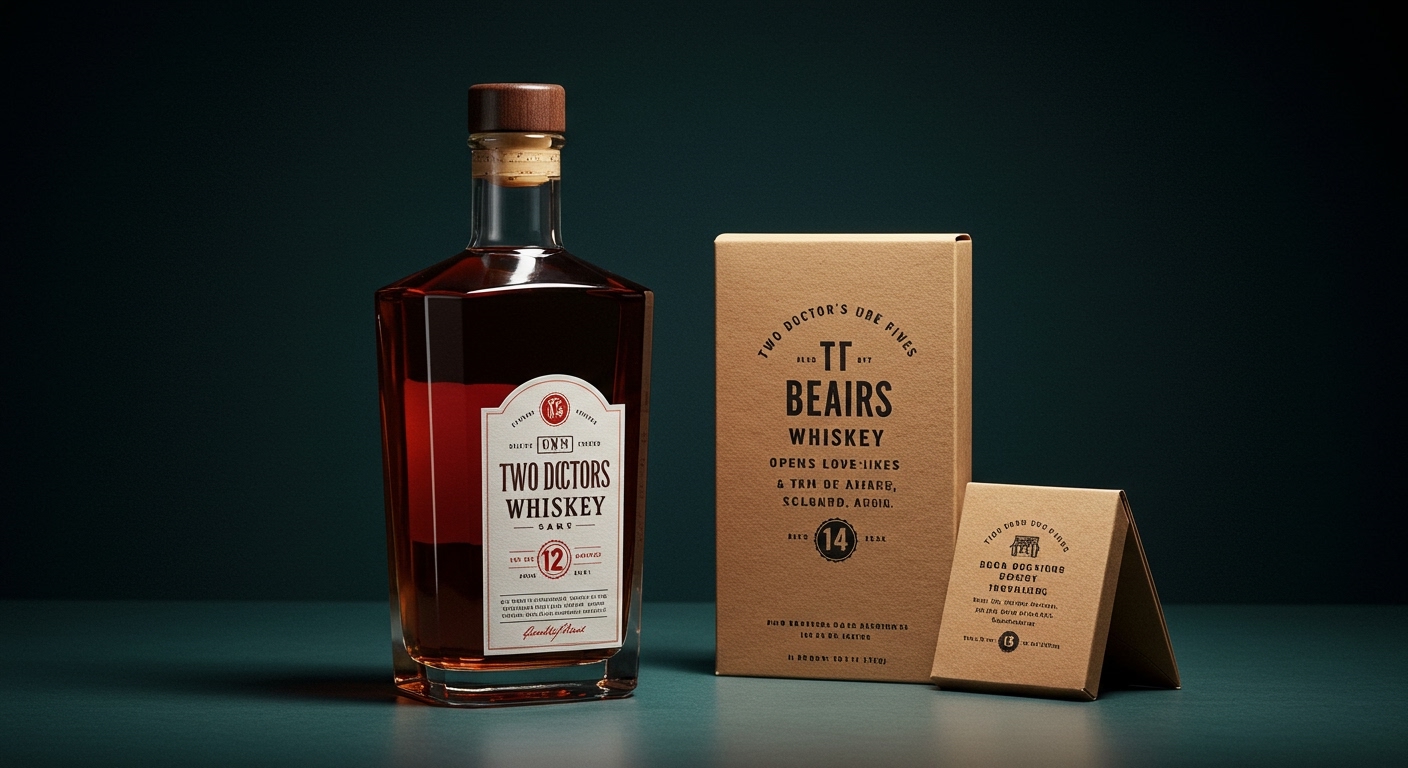
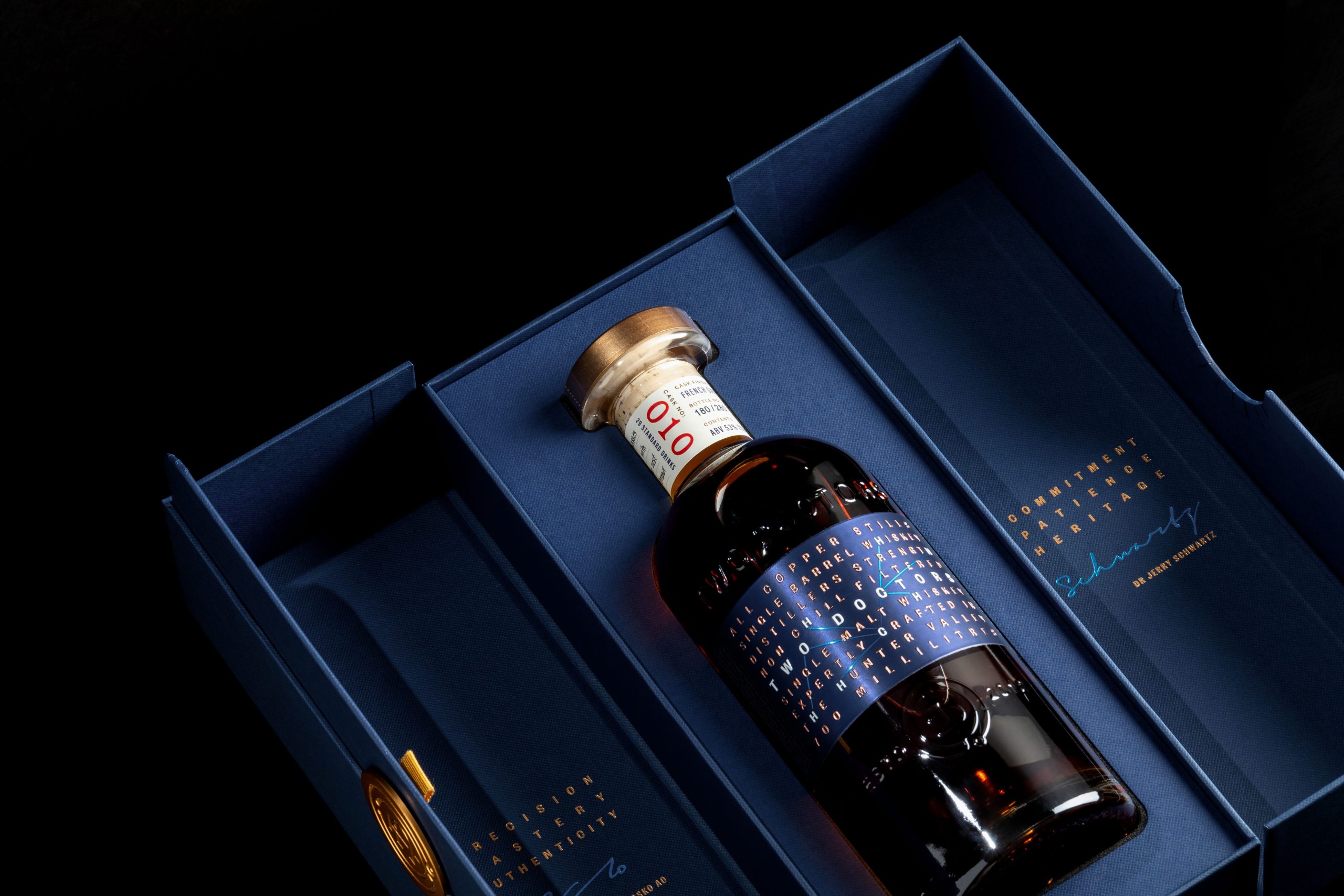
This detail, alongside others like Two Doctors Whiskey packaging opening “like a love letter” and Collective Arts’ rum bottle revealing an unfolding tropical scene, points to a clear trend: packaging is designed to deliver extended narrative experiences, not just product containment. The interaction is a slow reveal, building anticipation and emotional connection beyond the initial shelf glance. It shifts focus from immediate visual recognition to a staged, multi-layered discovery.
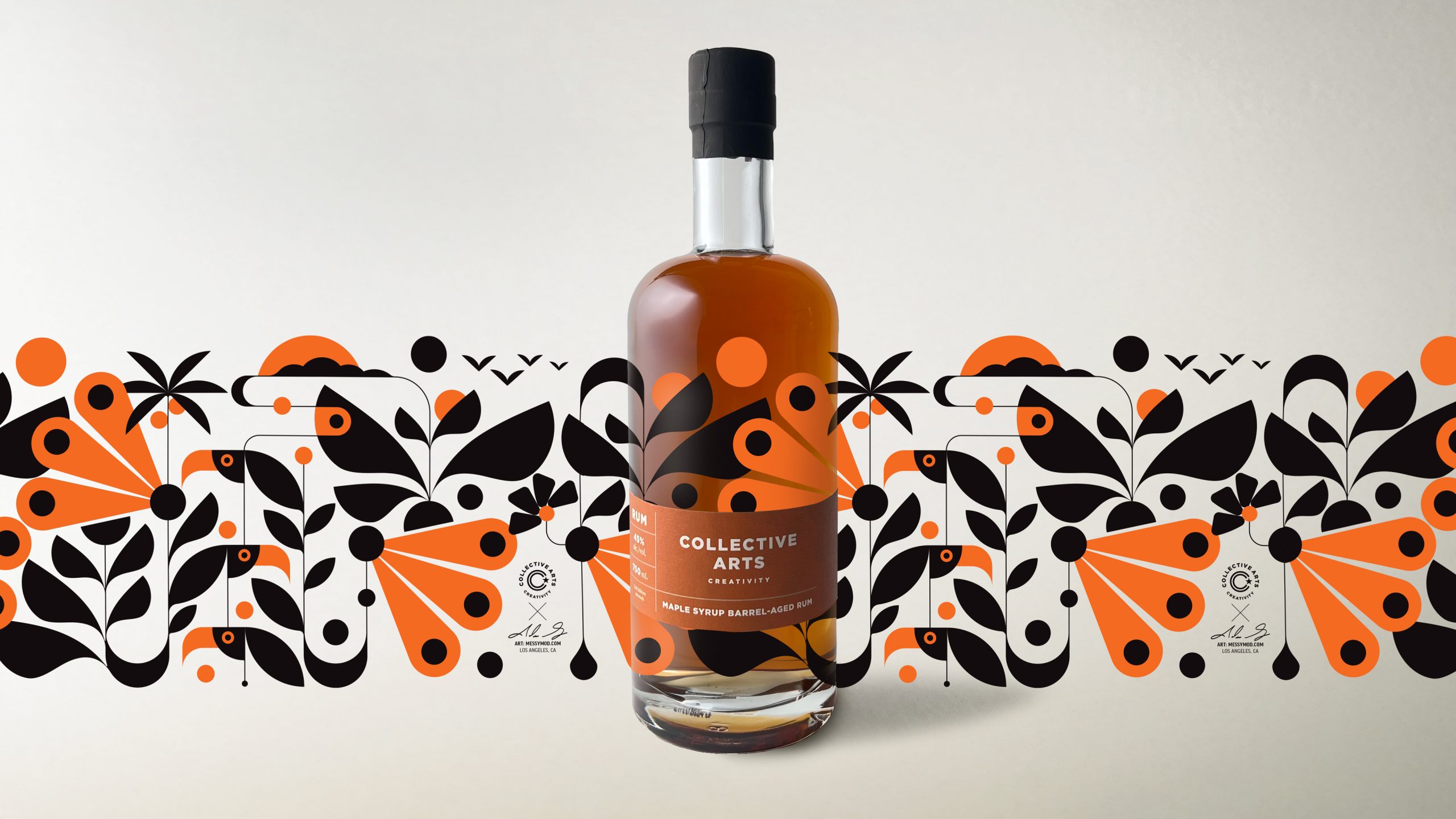
Consider TRÜF Creative’s design for Collective Arts’ Maple Syrup Barrel-Aged Rum. The modernist tropical scene, with its geometric birds and rising suns, is not merely decorative; it is deliberately obscured, revealing itself fully only as the liquid depletes. This approach positions the packaging as “a keepsake first and a rum bottle second,” a direct inversion of traditional CPG priorities where the product itself is the primary value and packaging secondary, often disposable. This sophisticated unboxing experience extends well beyond the moment of purchase, integrating tactile exploration with visual discovery. Mainstream industry metrics frequently prioritize rapid shelf impact, cost-efficiency, and immediate consumer recognition, often viewing sustainable materials as an added complexity. However, designs like TRÜF Creative’s demonstrate that an investment in prolonged engagement can elevate perceived value and brand loyalty significantly. This contradicts the conventional wisdom that packaging’s primary role ends once the product is removed or consumed. The emerging value lies in the continued interaction and the story the packaging tells over time, morphing into an object of intrinsic worth. This depth of engagement ultimately contributes to a more sustainable mindset, as consumers are less inclined to discard packaging that holds sentimental or artistic value. By early 2028, a growing segment of premium brands will measure packaging ROI not just on sales lift, but on social media shares of unboxing sequences and the average duration consumers retain the empty vessel as a functional or decorative object.
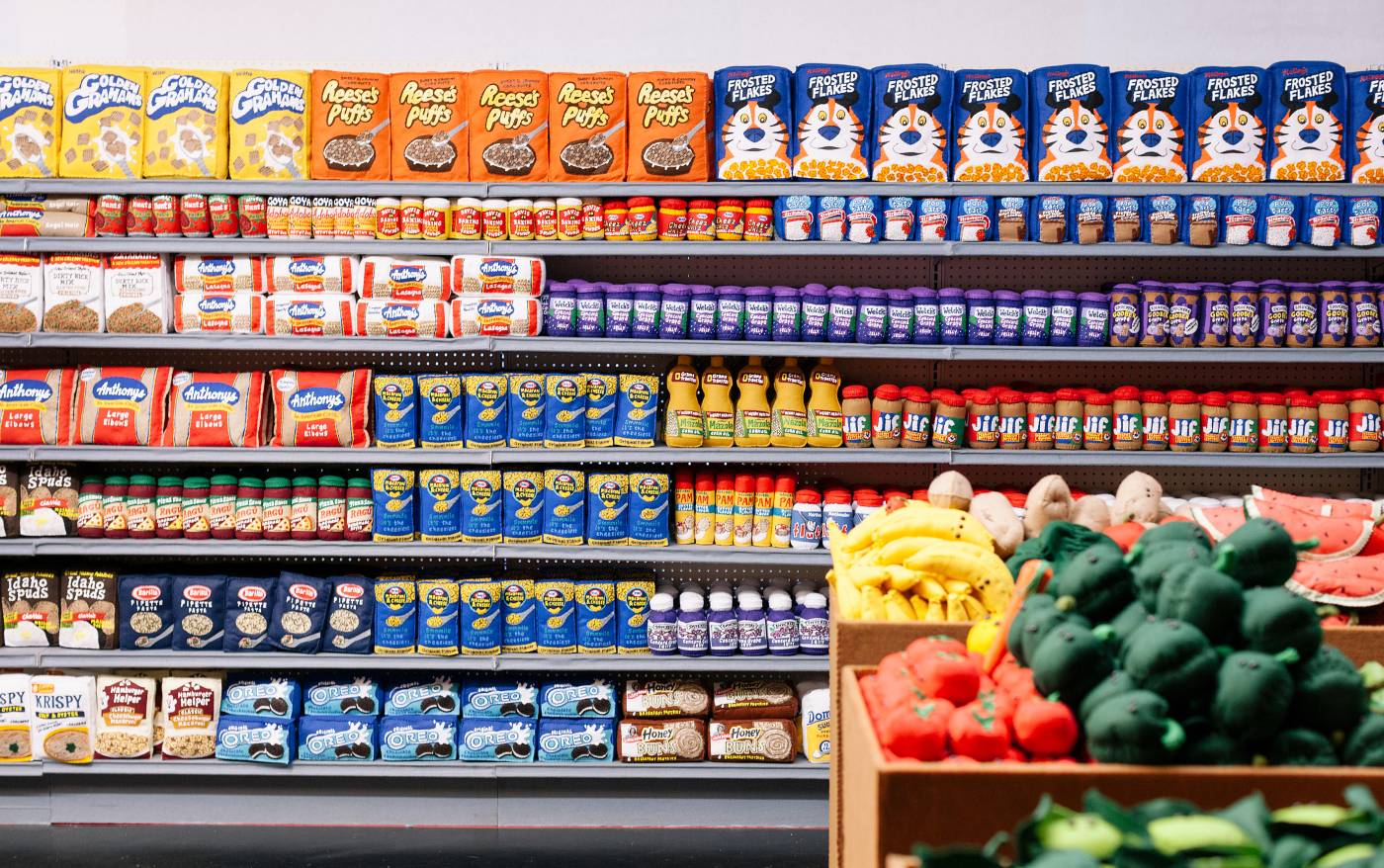
This shift explicitly prioritizes the tactile and temporal aspects of packaging, moving beyond simple shelf aesthetics. While Lucy Sparrow’s felt replicas highlight the anthropological weight of everyday packaging, the new trend takes this recognition and infuses it with active, sensory engagement. Brands are leveraging the unboxing experience as a canvas for storytelling, using tactile elements like embossed textures, unfolding structures, and layered reveals to build anticipation and deepen connection. This sustained interaction demands thoughtful material choices that support the physical narrative, encouraging designers to innovate with mono-materials or readily recyclable composites that still offer a premium feel. The goal is to craft a product perceived as more artisanal and thoughtful, transcending its utilitarian purpose. This approach extends the brand’s presence in the consumer’s life, creating an artifact that promotes thoughtful consumption rather than immediate disposal. This commitment to an enduring tactile experience serves as a subtle, yet powerful, statement against planned obsolescence.
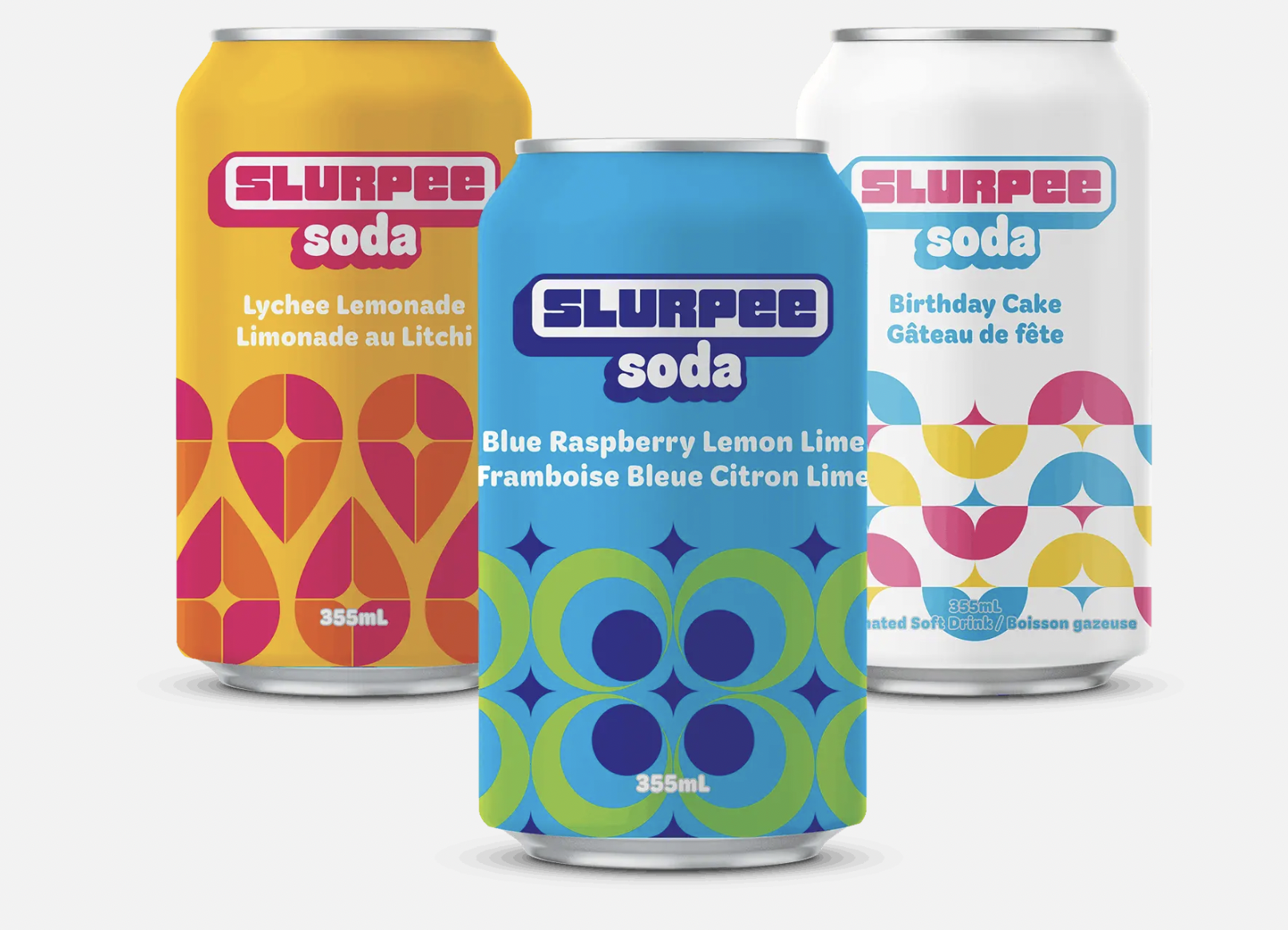
The primary resistance to this model comes from mass-market production cycles and the pressure for universal recyclability. High-volume, low-margin products like 7-Eleven’s Canned Slurpee Soda prioritize bold, immediate shelf impact and efficient, standardized material streams. Complex, multi-part packaging with intricate unfolding mechanisms or keepsake-quality materials often complicates end-of-life processing, hindering single-stream recycling initiatives and adding significant cost per unit. This friction between experiential packaging and scalable, straightforward sustainability remains a crucial tension.
Packaging professionals should dedicate resources to prototyping internal packaging structures that create a delayed reveal, even with standard materials. Experiment with die-cuts, perforations, and secondary inner sleeves that require deliberate manipulation to access the product. Focus on tactile contrasts—matte against gloss, smooth against textured—within a single, recyclable material, rather than relying on multiple material types for visual interest. This allows for rich unboxing without compromising material circularity.
TL;DR
Packaging designs are moving beyond initial visual appeal to provide extended, narrative-driven unboxing experiences.
Curated References

About this editorial — This piece was developed using AI-assisted research and curation across multiple industry sources. All analysis, opinions, and predictions represent the editorial perspective of JHDD. Sources are linked in the references section above.