JHDD Packaging Report — 2026.06.23
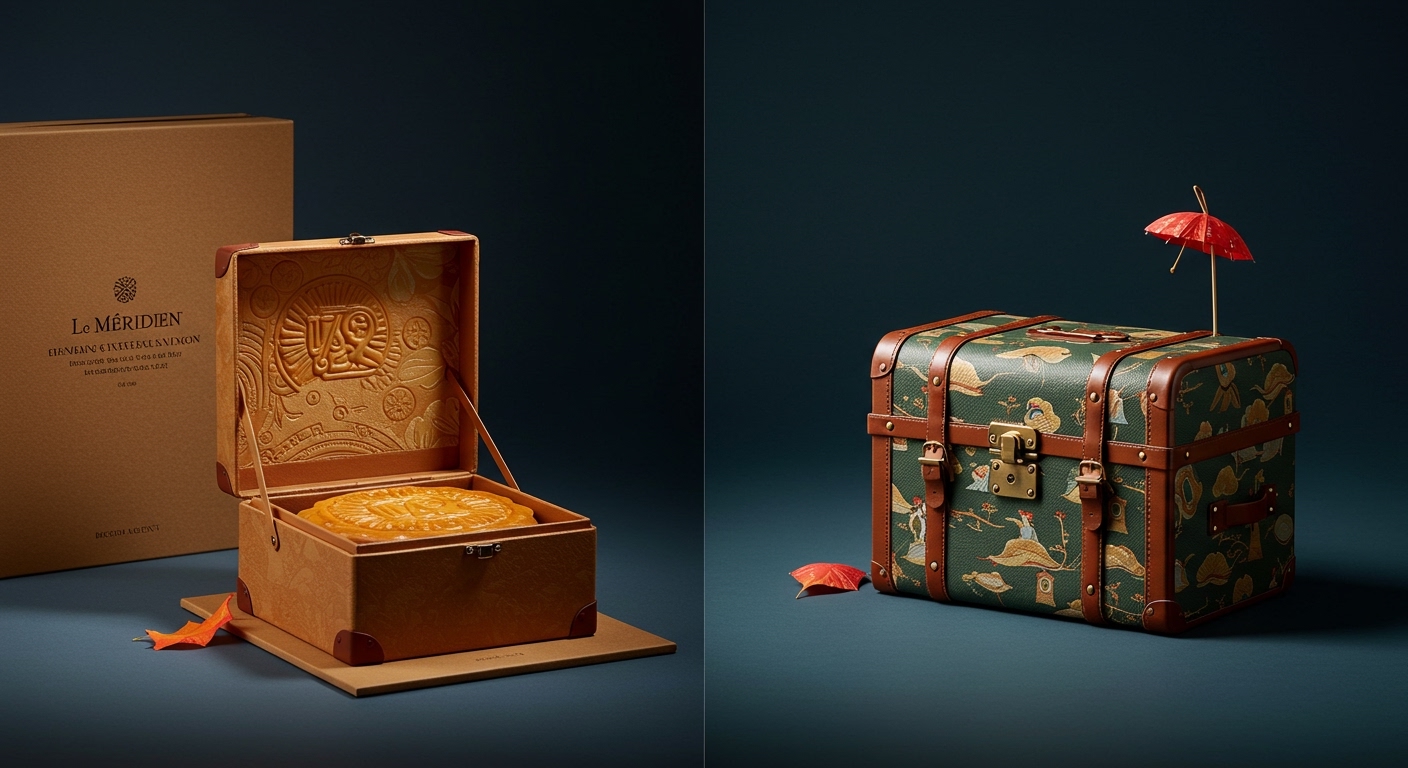
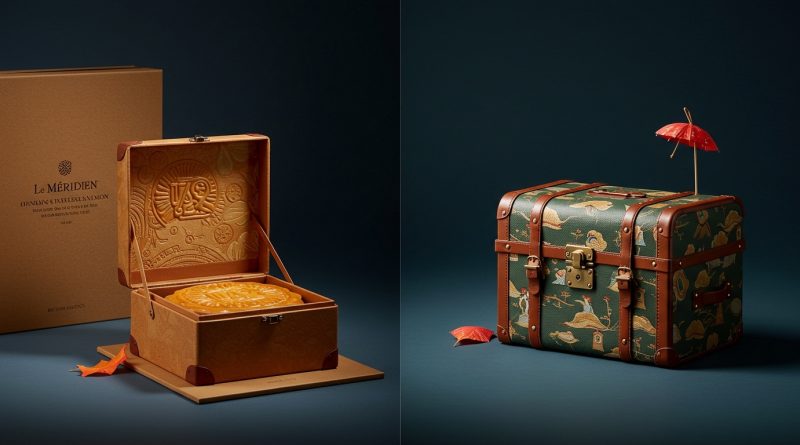
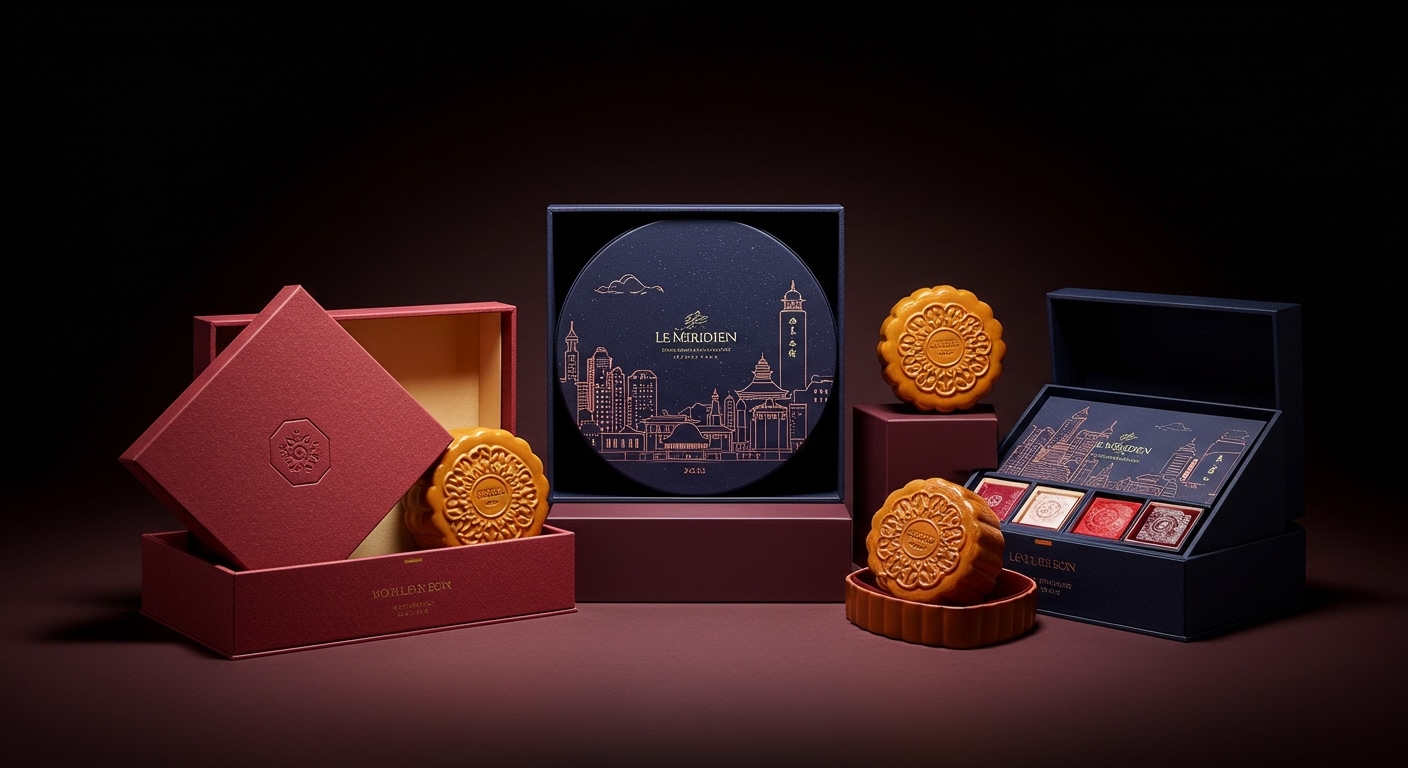
Le Méridien Saigon’s 2025 Mid-Autumn mooncake box, designed by Bracom Agency, created a miniature travel trunk that unfolds into a city scene.
This design, alongside Marco Arroyo-Vázquez’s cultural artifact approach for ILÉM olive oil and Young Jerks’ nostalgic work for Weast Coast’s ‘Loners’ game, indicates a clear pivot. Packaging is evolving beyond mere protection or display; it now serves as a primary vehicle for narrative and deeply embedded cultural context, fostering experiences that demand genuine engagement rather than passive consumption. This stands in direct opposition to the growing homogeneity predicted by the proliferation of generic AI-generated design.
The mainstream packaging industry often prioritizes speed, cost-efficiency, and broad market appeal, frequently leading to simplified aesthetics and standardized material choices. However, this perspective overlooks a critical long-term value. Products like ILÉM olive oil, with its flat glass flask and embossed damask rose illustration, demonstrate that packaging designed as a cultural artifact builds profound brand equity and consumer loyalty. Its bilingual typography in English and Kurdish Arabic script offers an authentic connection to origin that transcends superficial branding. This level of intentionality, while potentially more resource-intensive in its initial design and manufacturing, contributes to a product’s perceived longevity and value, thereby slowing consumer churn and potentially extending product lifecycles. The inherent perfection of AI design tools, often celebrated for their efficiency, fundamentally struggles to replicate this nuanced, human-centric storytelling and cultural embedding.
This specific approach challenges the conventional wisdom that highly bespoke or narrative-driven packaging is inherently less sustainable due to complexity or material use. Instead, packaging that deeply connects consumers to a brand’s story and origins — encouraging them to keep, reuse, or cherish the packaging itself — reduces the perceived need for constant novelty and therefore decreases overall consumption volume. The emotional resonance of a product like Le Méridien Saigon’s mooncake box, which invites interaction and reveals a detailed Saigon night scene, moves it from disposable container to keepsake. This encourages an emotional investment that generic, disposable packaging cannot achieve. By late 2027, brands that intentionally design packaging with this deep narrative and tactile longevity will report measurably higher brand retention metrics compared to those adopting purely efficiency-driven or AI-optimized solutions.
The primary opposing force to this trend is the prevailing industry pressure for rapid prototyping and cost reduction, often facilitated by increasingly sophisticated AI design platforms. These platforms, while efficient, tend to standardize visual language and minimize the unique tactile or narrative elements that differentiate a product. Small business owners, facing significant economic challenges, may see AI as an accessible solution, inadvertently contributing to the “generic AI slop” that dilutes brand distinctiveness and undermines the potential for long-term customer loyalty built on genuine connection.
A working packaging professional should allocate a significant portion of their design development budget, specifically for new product launches or redesigns, to ethnographic research. This research should focus on understanding the cultural nuances, historical narratives, and sensory preferences of the target consumer base, translating these insights into tactile, material, and structural design elements. This means rejecting AI-generated initial concepts for any consumer-facing packaging iteration and instead commissioning human-led ideation workshops centered on cultural immersion and multi-sensory prototyping.
TL;DR
Packaging must evolve from utilitarian container to cultural artifact to build lasting brand loyalty.
Curated References


About this editorial — This piece was developed using AI-assisted research and curation across multiple industry sources. All analysis, opinions, and predictions represent the editorial perspective of JHDD. Sources are linked in the references section above.