Julian’s Interior Insight — 2026.06.01

The sterile white box of contemporary design is finally succumbing to the ghosts of curated imperfection.
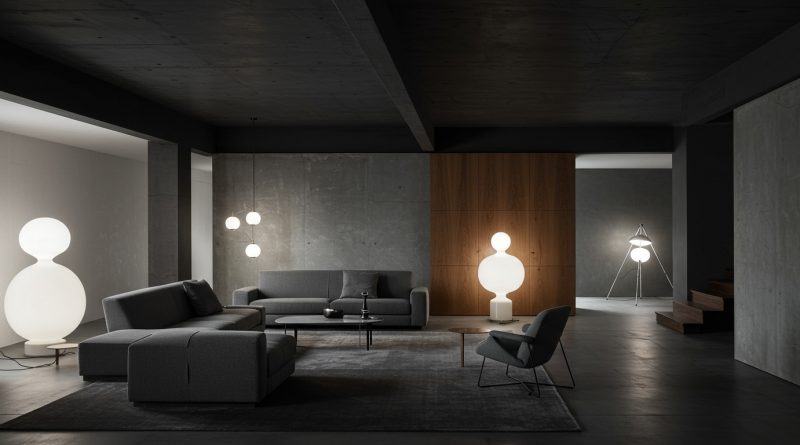
The contemporary interior landscape, for so long dominated by an almost clinical pursuit of minimalist perfection, is at a critical inflection point. We are witnessing a powerful resurgence of materiality, a deliberate reassertion of the tactile, and a complex negotiation of spatial tension that speaks directly to our evolving relationship with inhabited environments. This shift is not merely aesthetic; it’s a profound acknowledgment of human flow, the way we physically and emotionally navigate spaces, and the need for these environments to offer not just shelter, but also sensorial engagement. The recent projects highlight a palpable move away from the ephemeral and towards the enduring, where the very substance of materials – the cool permanence of stone, the warm embrace of wood, the vibrant narrative of tile – dictates the experience. This is a design that understands that the skin of a building, its surface, its texture, is as crucial as its form in defining its soul and its utility.

What emerges from these disparate projects is a clear dialectic: a yearning for both refined, almost monastic calm and unapologetic, exuberant expression. Mil Studios’ Madrid office, with its 1990s New York cool, champions a minimalist aesthetic built on a sophisticated material palette, creating distinct, yet cohesive environments across its four floors. This is design as curated experience, a subtle manipulation of space and surface to foster a particular atmosphere. Conversely, GRT Architects’ Bad Roman Beverly Hills explodes with an “exuberant” tiled facade, a maximalist statement that signals a bold departure from restraint. This is an architecture that demands attention, a joyous riot of pattern and colour. The London micro flat by CIAO, while operating on a dramatically different scale, also demonstrates a pragmatic embrace of materiality with its multifunctional plywood wall, transforming a constrained space through intelligent, tactile integration. These projects, while varied in their application, collectively signal a desire for interiors that possess character, that speak of their construction, and that offer a rich sensory dialogue.
This trend, however, is not without its inherent contradiction. The very pursuit of “unmistakably cool” minimalist workspaces risks becoming its own form of sterile homogeneity if not grounded in genuine materiality and a sensitivity to human interaction. The “exuberance” of maximalism, if unmoored from thoughtful curation and spatial intelligence, can devolve into mere visual clutter. The challenge lies in finding the equipoise – in designing spaces that offer both a stimulating richness and a sense of repose, that are bold in their statement yet sensitive to the subtle rhythms of daily life. The cinematic explorations of “liminal spaces” in Backrooms, while fictional, tap into a latent architectural anxiety, a discomfort with spaces that feel designed yet lack human intention, or conversely, those that feel overwhelmingly manufactured and alienating. This underscores the necessity for authenticity in design, for interiors that feel lived-in, considered, and profoundly human.
The future of interior design will be defined by an almost alchemical blend of hyper-customization and adaptable, intelligent systems. Forget static environments; the next generation of spaces will be fluid, responsive, and deeply personalized. Expect to see interiors that can literally reconfigure themselves based on time of day, occupancy, or even the occupant’s mood, utilizing advanced material science and integrated digital intelligence. The Art House in New Delhi, with its “intense level of customisation,” offers a glimpse into this future, where bespoke forms and geometries are not just decorative but integral to the functional and emotional landscape of the home. This move towards a highly responsive and personalized interior, far from being cold or impersonal, will paradoxically foster deeper connections to our surroundings, creating environments that are not just inhabited, but actively understood and co-created with their users.
TL;DR
Interior design is shedding its sterile shell, embracing the tactile and the expressive to create environments that resonate with human experience.


