JHDD Branding Report — 2026.06.21
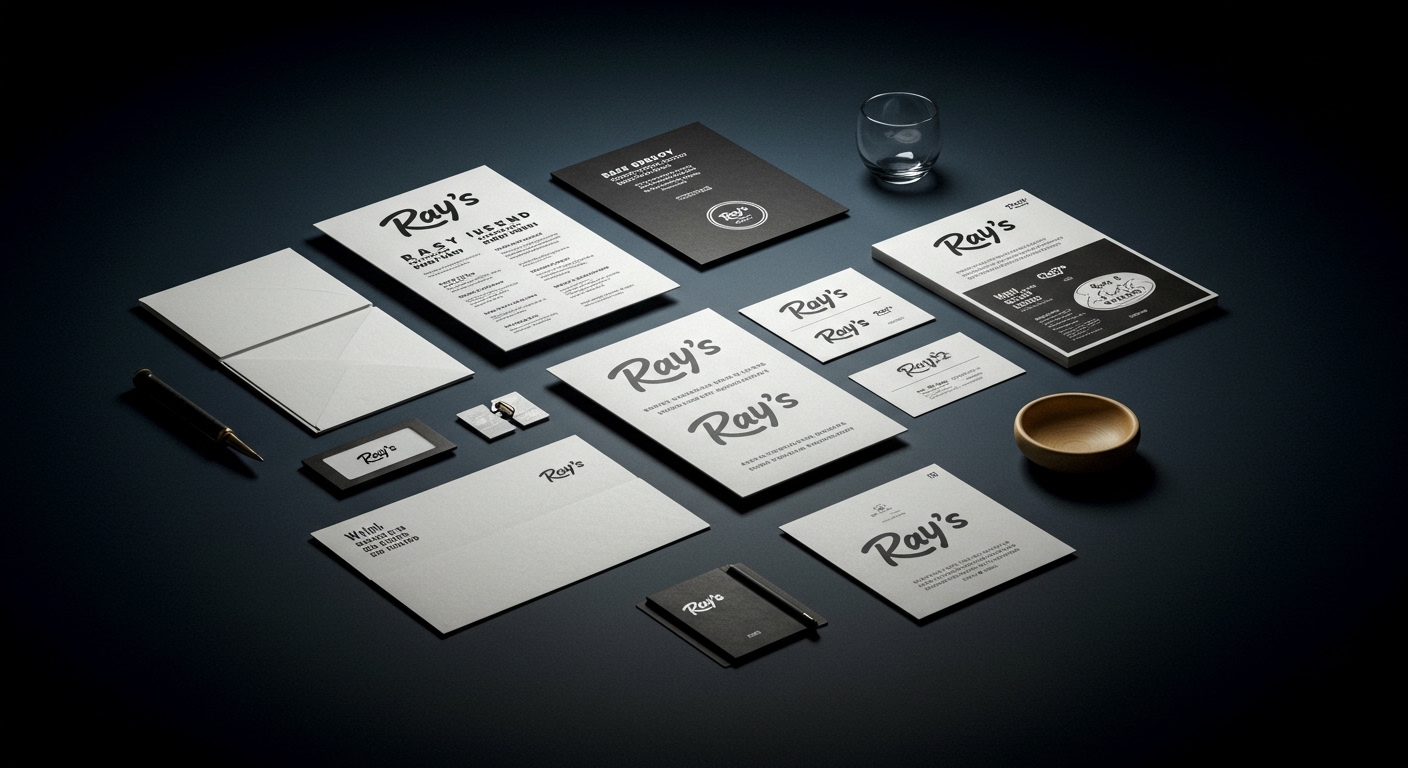
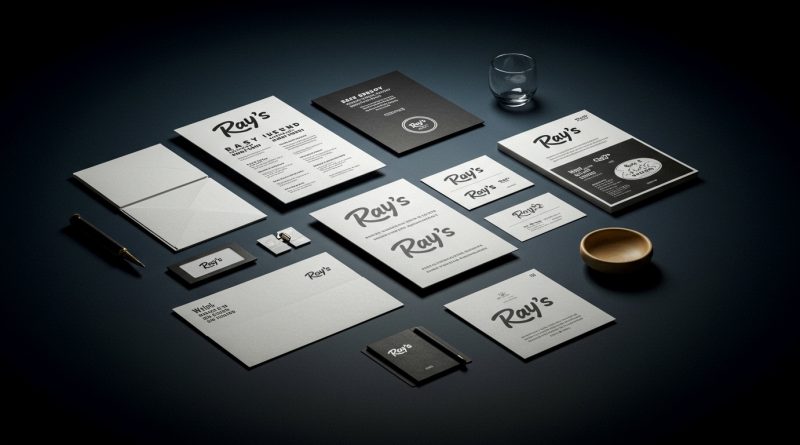
Base Design’s identity for Ray’s, a smalltown ’80s seafood spot, represents a detailed application of high-level strategic thinking typically reserved for larger, global clients.
Across these diverse projects, from the Museum of Narratives in Tokyo to Rerun’s robotics data platform, a common thread emerges: the deliberate application of top-tier design intelligence to foster deep, specific resonance rather than broad, superficial appeal. Agencies are increasingly investing significant craft into brands defined by their hyper-local roots, niche technical function, or culturally specific narratives. This signifies a fundamental shift in perceived brand value, where the depth of connection within a defined community—be it geographic, cultural, or professional—outweighs the conventional pursuit of mass-market reach. Brand equity is now being forged not just through expansive visibility, but through authenticity in a precisely defined context.
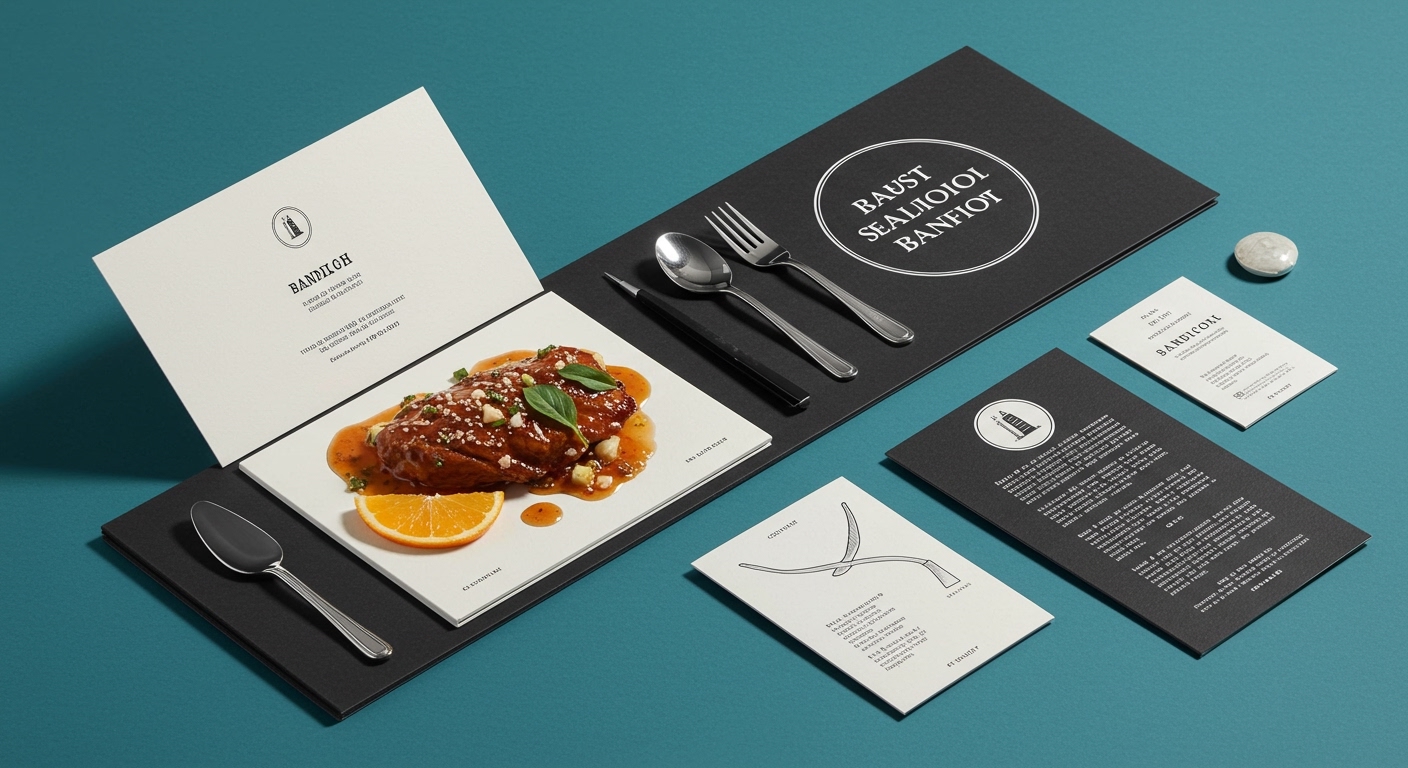
Base Design’s commitment to Ray’s, an ’80s seafood establishment, provides a concrete example. The agency applied the same “respect, care, and craft” to this local brand as they would to an international institution, a detail often overlooked in a globalized design market. Mainstream industry opinion often posits that leading global agencies must prioritize large-scale corporate accounts or universally consumable consumer brands to maintain prestige and financial viability. This perspective suggests that smaller, geographically constrained, or historically specific entities like Ray’s are best served by regional firms, or that the investment in high-end design for them yields insufficient returns, categorizing them as ‘passion projects’ rather than strategic opportunities.
This view fundamentally misunderstands the evolving landscape of brand equity. By dedicating substantial resources to a hyper-local entity like Ray’s, Base Design demonstrates that profound brand equity can be built through an intense focus on cultural signals and authentic community embedding. The perceived “earnestness” in the Ray’s branding is not merely aesthetic; it is a strategic choice to align directly with the specific cultural memory, local identity, and inherent charm of its audience. This creates a distinct market positioning, rooted in genuine connection, that generic global branding cannot replicate. Furthermore, Studio Gruhl’s “Global Hypercolour-esque” identity for Rerun, a platform for robotics data, equally prioritizes a deep understanding of its highly technical user base, translating complex functionality into an engaging and relevant visual language. These approaches confirm that true differentiation and robust brand loyalty now stem from a precise attunement to specific audiences, whether local patrons or specialized engineers. Within two years, by mid-2028, leading global agencies will more frequently showcase specialized projects like Ray’s or Studio Gruhl’s Rerun, actively pursuing deeply contextual assignments as a primary demonstration of their strategic versatility and capacity for nuanced cultural engagement, rather than just their ability to scale.
The primary resistance to this model comes from entrenched corporate structures focused on centralized control, risk aversion, and economies of scale. Internal brand governance teams and procurement departments often prioritize the consistent application of global guidelines and templated visual identity systems that are designed for broad market application rather than specific cultural or functional depth. This emphasis on uniformity, ease of replication across diverse markets or product lines, and the perceived efficiencies of a “one-size-fits-all” approach often leads to a dilution of the very distinctiveness that these focused projects aim to cultivate. They perceive specificity as a potential lack of scalability or a risk to overall brand coherence, rather than recognizing it as a source of deep, sustainable connection.
A working Branding professional should immediately re-evaluate current projects to identify opportunities where deeper cultural or functional specificity can be leveraged to build stronger brand equity. Instead of pushing for simplified, broadly palatable visual identities, advocate for design systems that explicitly embrace unique regional histories, niche community codes, or highly technical user contexts. This means asking clients about the specific stories, user behaviors, or local traditions that define their core audience, and then designing visual and strategic solutions that amplify those particular signals, even if they are not universally understood.
TL;DR
Brand equity today is built through hyper-specific cultural relevance, not generic broad appeal.
Curated References
About this editorial — This piece was developed using AI-assisted research and curation across multiple industry sources. All analysis, opinions, and predictions represent the editorial perspective of JHDD. Sources are linked in the references section above.