
JHDD UI UX Report — 2026.06.19
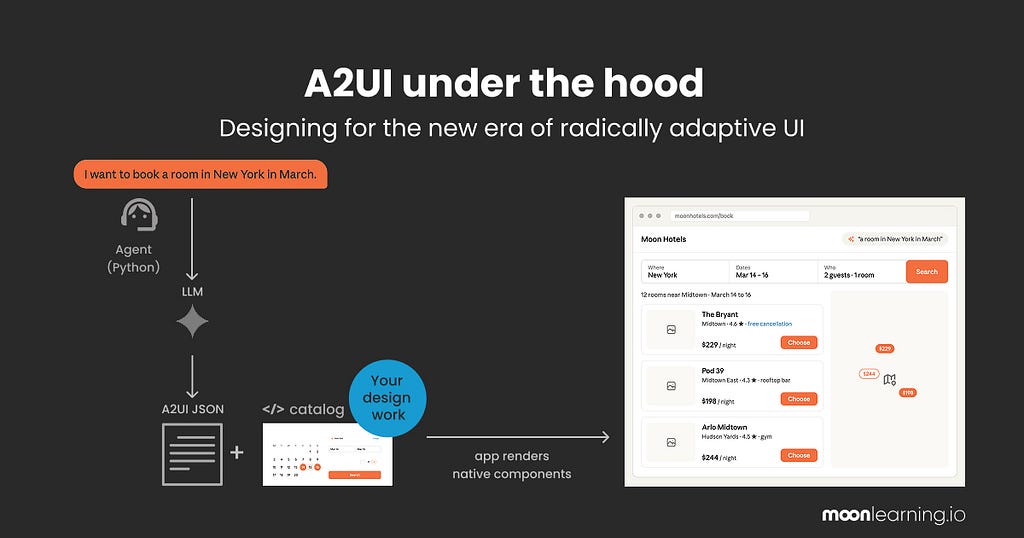
A2UI presents a model where interfaces are built freshly in the moment for the exact person or specific task.
This concept, alongside the elevation of design leadership at companies like Microsoft and Samsung, points to a broader, unspoken pattern: the industry is grappling with the fundamental shift from static, prescriptive design to dynamic, generative systems. While individual articles discuss AI, design leadership, or portfolio changes, the connecting thread is the dawning recognition that design outputs, organizational structures, and professional competencies must all adapt to an inherently more probabilistic and less deterministic future for user interfaces.
The prevailing view in design has long championed the efficiency and consistency offered by robust design systems, built around a library of fixed components. However, A2UI’s premise, where an interface is constructed freshly for the moment, fundamentally challenges this. Mainstream wisdom holds that a comprehensive design system is the ultimate solution for scale and brand coherence. This view contradicts the emerging need for adaptability; a design system that primarily provides static components can become a constraint when the goal is a truly personalized, context-aware interface. The real value then shifts from assembling pre-built blocks to defining the underlying parameters, rules, and generative logic that allow components to adapt or even be created on the fly. Within two years, leading design systems will incorporate “adaptive grammar engines” as a core specification, moving beyond component libraries to define how elements should dynamically respond to user intent, data context, and system learning.
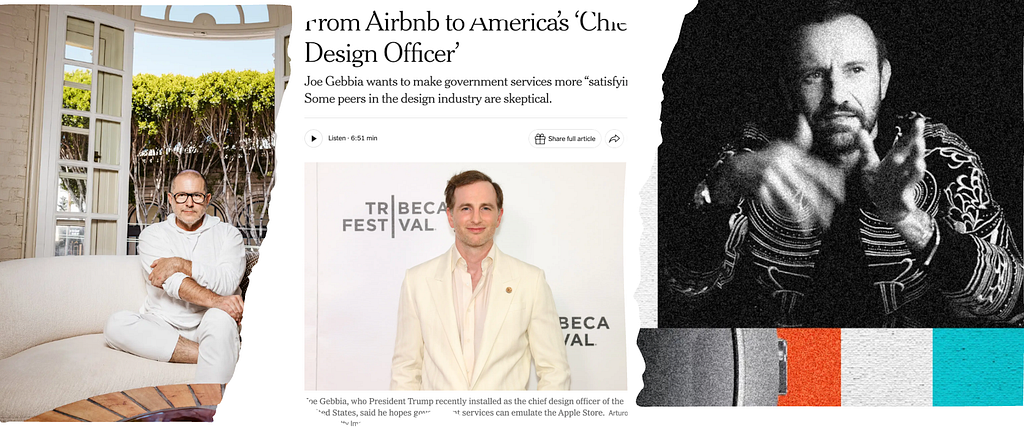
The appointment of Chief Design Officers, such as Mauro Porcini’s move to Samsung after establishing similar roles at 3M and PepsiCo, signals a strategic elevation of design beyond mere aesthetics or user advocacy. Many interpret these appointments as design finally “having a seat at the table,” a focus on increasing design’s influence over product vision. A more nuanced perspective recognizes that these leaders are being tasked with integrating the inherent uncertainty introduced by AI into product development cycles. This means managing interfaces that might present different options based on probabilistic models, requiring design leadership to shepherd teams through a mindset where design choices are not singular solutions but rather dynamic orchestrations of possibilities.
The shift to adaptive design is actively resisted by established methodologies and the ingrained preference for predictable, controllable outcomes. This resistance manifests tangibly in current practices, such as the persistence of traditional design portfolio formats. Article 5 notes that “the oldest design portfolio formats needs to change in 2026,” specifically mentioning the “before/after” format. This format inherently implies a fixed problem with a singular, improved solution, failing to demonstrate a designer’s ability to navigate or design for probabilistic, multi-outcome systems that adaptive AI-driven UIs demand. The focus on showcasing fixed solutions over adaptive frameworks reflects a broader industry lag in embracing design as a continuous, dynamic process.
To adapt, a working UI UX professional should this week audit a core interaction flow in an existing product. Instead of analyzing it for the ideal path, identify three distinct contextual variables (e.g., user tenure, time of day, prior activity) that could alter the user’s intent or expected outcome. Then, begin prototyping how the current interface components could be parameterized or dynamically adjusted to intelligently respond to each of these three variables, rather than presenting a one-size-fits-all experience.
TL;DR
Design must shift from static, deterministic systems to adaptive, probabilistic frameworks, driven by AI and supported by strategic organizational change.
Curated References

About this editorial — This piece was developed using AI-assisted research and curation across multiple industry sources. All analysis, opinions, and predictions represent the editorial perspective of JHDD. Sources are linked in the references section above.