JHDD 3D Modeling Report — 2026.06.19
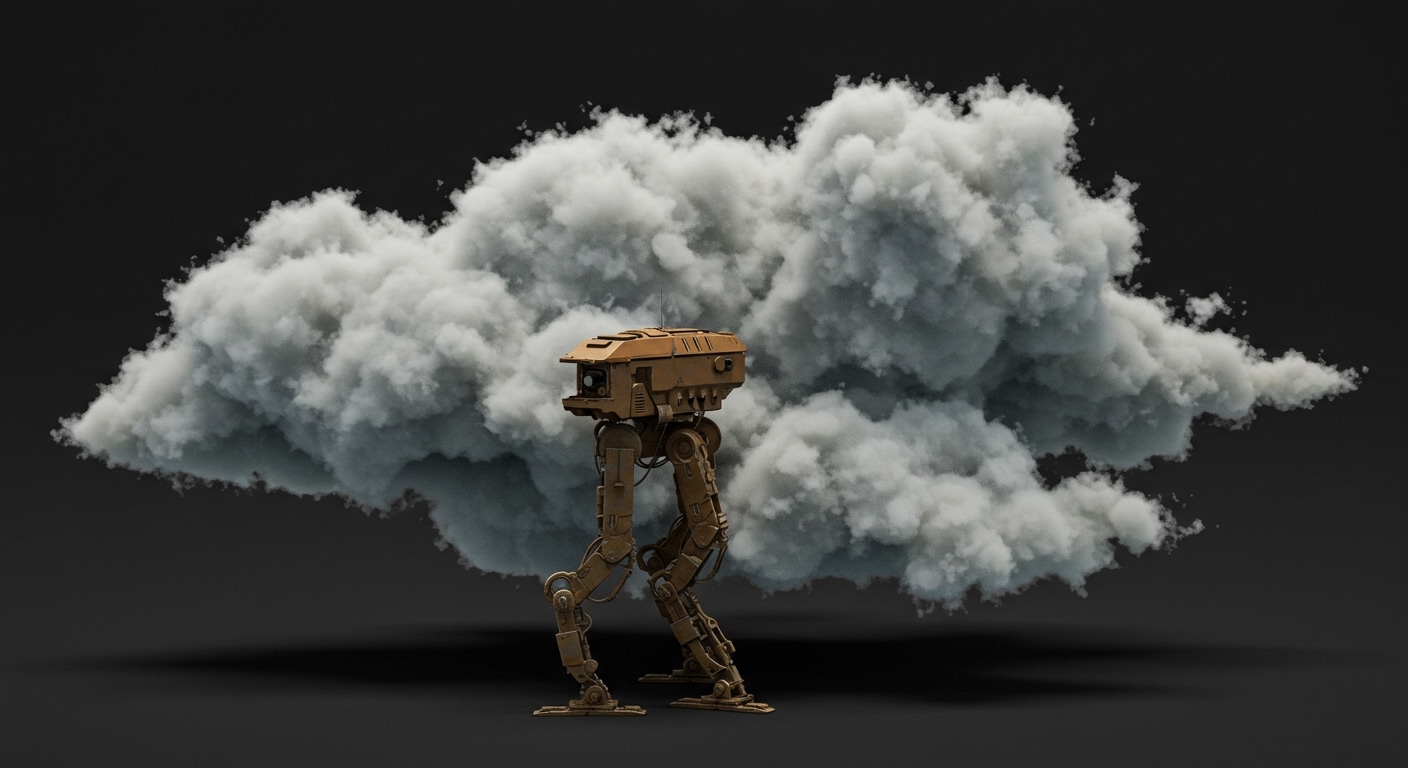
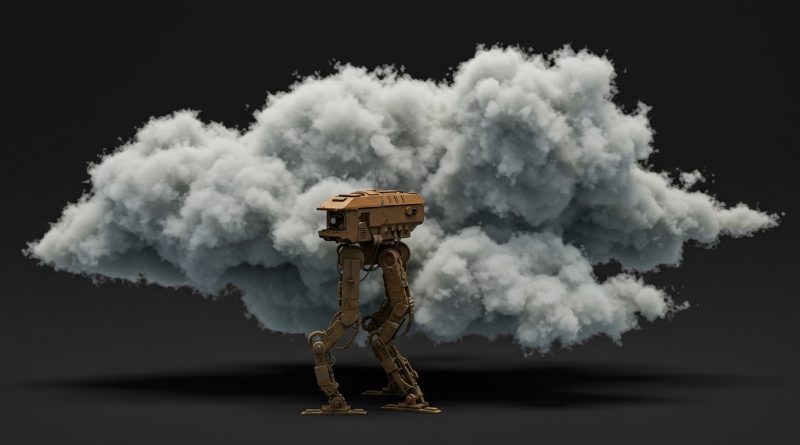
Joyen’s volumetric clouds, featured in a game about walking fortresses, demonstrate an increasingly sophisticated approach to atmospheric rendering.
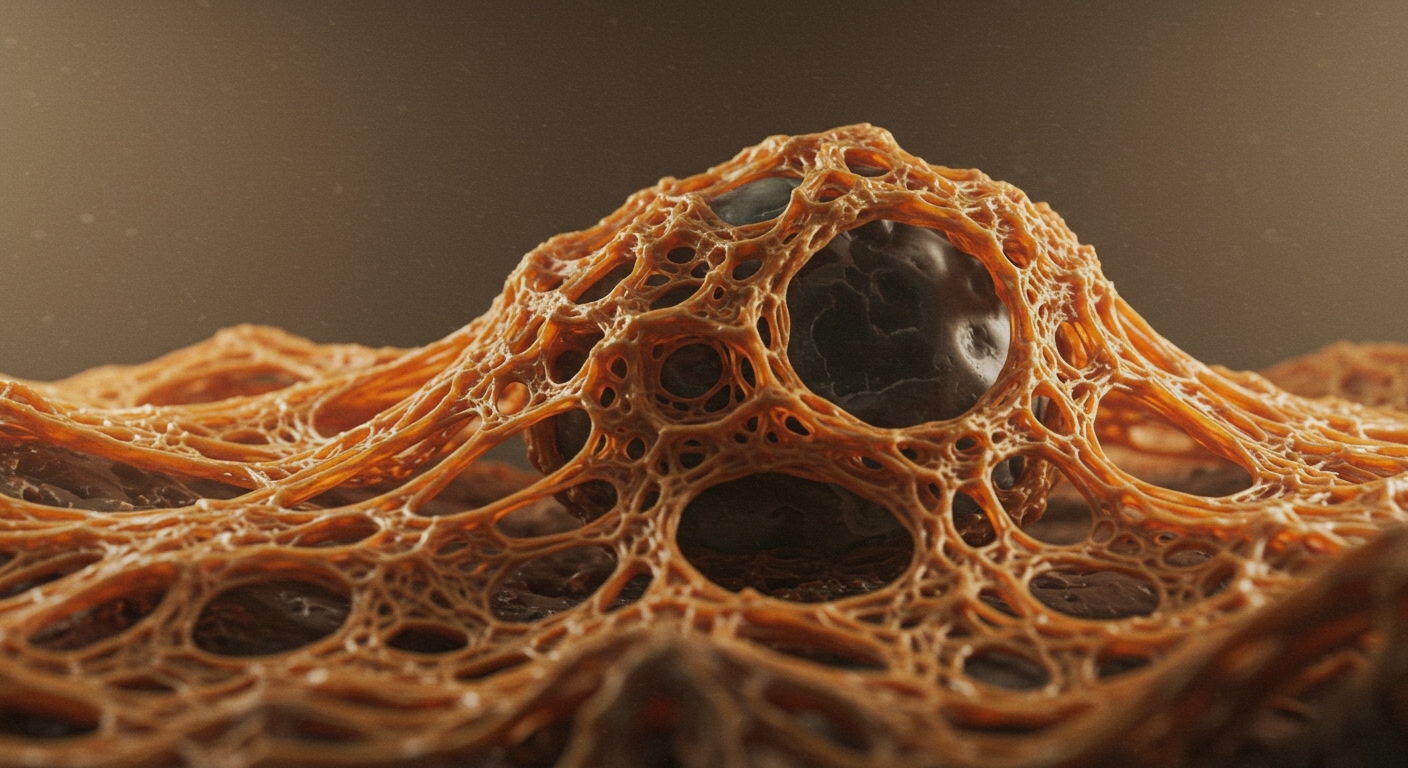
This push for highly detailed environments extends beyond atmospheric effects. The recent development of surreal fluid bone creatures in Blender, alongside a WIP painting tool for weapon assets that allows for varied wear and tear and camouflage patterns, points to an emerging pattern where the fidelity of incidental detail is becoming paramount. This is not simply about high polygon counts, but about dynamic, context-aware material and volumetric properties that mimic real-world phenomena without explicit manual authoring for every permutation. Tools like GDstudio, offering simultaneous scene views in Godot Engine, support this by streamlining complex environment assembly, implicitly acknowledging the expanding complexity of scene data.
The drive to replicate physical reality down to the minutiae of surface degradation or atmospheric particulates, exemplified by Joyen’s advanced volumetric rendering, often leads to an industry-wide pursuit of “perfect” hyper-realism. This ambition, especially in virtual spaces for games, pushes rendering engines and artists towards increasingly granular control over lighting dynamics and material properties. However, this focus on absolute verisimilitude overlooks a primary value proposition of many virtual spaces: their difference from physical reality. The conventional wisdom suggests that the closer developers get to photographic realism, the more immersive the experience becomes. This view fails to account for the uncanny valley effect in subtle ways, where hyper-fidelity can highlight minor discrepancies or expose the artificiality of underlying systems, ironically breaking immersion rather than enhancing it. True immersion often arises from consistent internal logic, compelling interactions, and evocative suggestion, rather than absolute photographic verisimilitude alone. By early 2028, leading studios will begin to pivot from purely photorealistic objectives towards stylized realism, employing sophisticated proceduralism to create detailed yet intentionally abstract environments that prioritize narrative coherence and experiential impact over pixel-perfect replication. This shift will involve integrating hyper-real lighting and volumetric effects within more art-directed, non-photographic aesthetics.
The “Fantasy Dungeon Bundle for Creating High-Quality Game Levels in Unity” provides a comprehensive set of pre-fabricated assets, aiming for high visual standards within a defined aesthetic. While such bundles facilitate rapid prototyping and consistent stylistic integration, they represent a different approach to realism compared to the procedural generation shown in the “WIP Painting Tool” for weapon assets. This tool, allowing nuanced variations in wear, tear, and camouflage patterns based on user input, highlights a fundamental shift from static, pre-packaged realism towards dynamic, emergent realism. The industry often champions ease-of-use and extensive asset libraries as the primary path to achieving higher quality and efficiency in virtual spaces. Yet, the true frontier for advancing hyper-realism and customization lies in parametric control over material and environmental properties, directly enabled by the kind of procedural tools this weapon painting system represents. This method moves beyond simple texture swaps, offering a deeper, more intelligent form of asset generation where objects react to their virtual environment and narrative context. By mid-2027, the default assumption for high-fidelity assets in cutting-edge productions will not be a static texture set, but a procedurally driven material system capable of infinite, context-aware variation, influencing how light interacts with surfaces in real-time.
The primary opposing force to this procedural and dynamic evolution remains the entrenched pipeline of manual asset creation and the specialized expertise in crafting unique, hero assets by hand. Studios and individual artists often resist relinquishing granular control to algorithmic systems, fearing a loss of artistic signature or an inability to achieve specific, non-deterministic aesthetic outcomes. Additionally, the existing economic model of asset stores, heavily reliant on pre-fabricated, static models, actively disincentivizes a full transition to purely procedural workflows.
A working 3D Modeling professional should immediately begin integrating a node-based procedural material authoring workflow into their daily practice, even for seemingly simple tasks. Instead of exporting static texture maps, focus on building robust material graphs that can accept external parameters for wear, dirt, age, and environmental influence. Experiment with geometry nodes in Blender or similar procedural tools to generate basic forms and scattering patterns, rather than only relying on traditional mesh modeling.
TL;DR
The drive for dynamic procedural detail is shifting how realism is achieved, demanding new skills over static asset workflows.
Curated References
About this editorial — This piece was developed using AI-assisted research and curation across multiple industry sources. All analysis, opinions, and predictions represent the editorial perspective of JHDD. Sources are linked in the references section above.