JHDD Interior Report — 2026.06.19
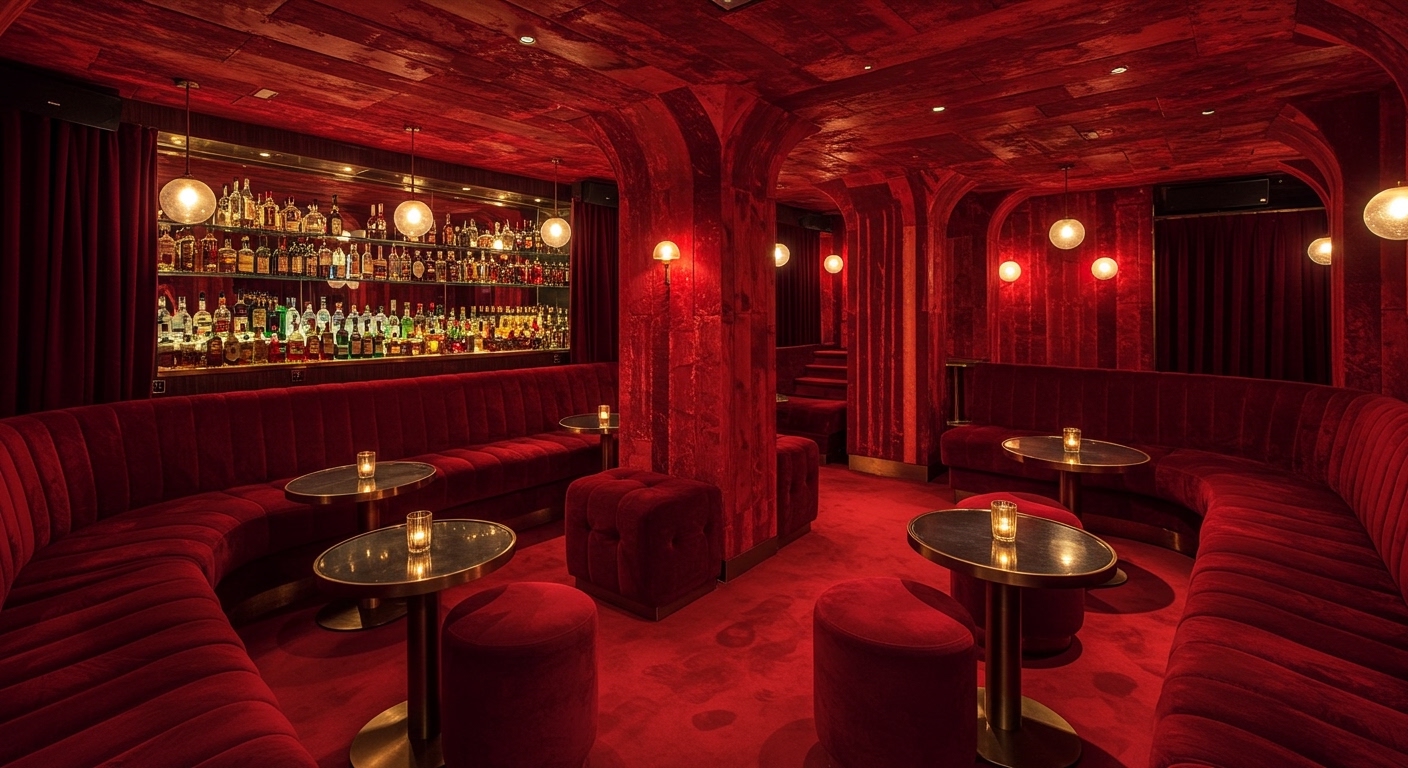
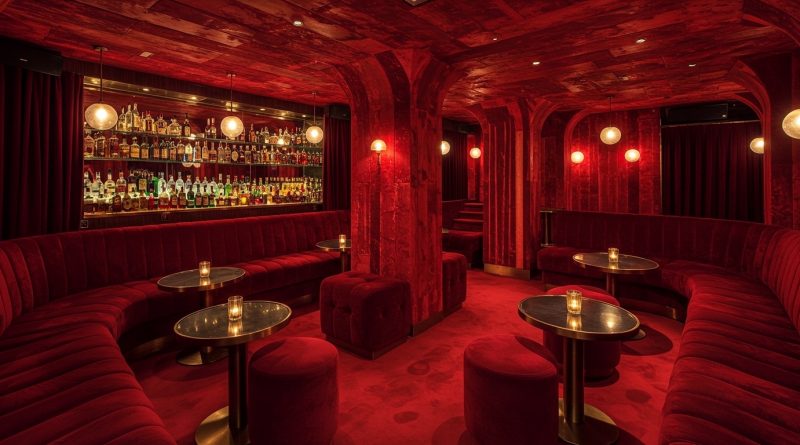
Golem’s Dive bar in London features soft red velvet walls and floors designed to retain the imprint of bodies.
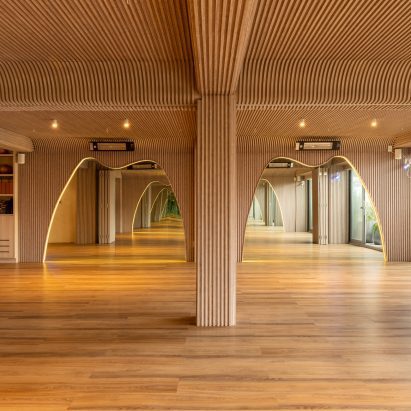
This design choice highlights a quiet but persistent evolution in contemporary design, where materiality and spatial arrangements are increasingly deployed to evoke specific, often complex, human experiences beyond mere function or aesthetic appeal. From the ‘futuristic yet comfortable’ metal workstations by Charlap Hyman & Herrero to the ‘warm, centring and coherent’ light-oak tambour panelling at Talo Atelier’s Align Studio, there is a clear move towards crafting environments that are not just visually appealing but deeply interactive with their inhabitants’ physical and emotional states. The emphasis shifts from static perfection to dynamic engagement, where spaces are designed to evolve with human presence and use.
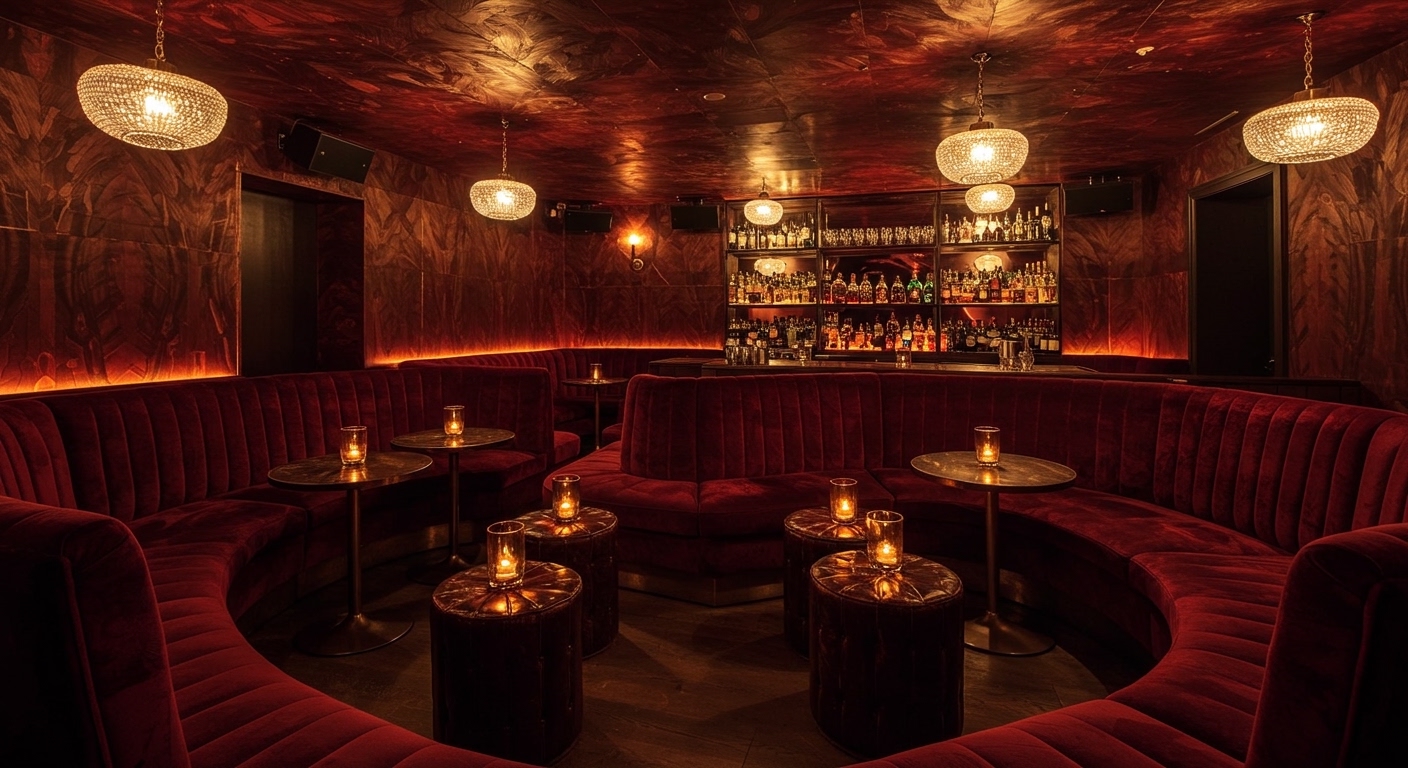
The decision by Golem to clad Dive bar entirely in soft red velvet, embracing the idea that surfaces “retain the imprint of bodies,” challenges prevailing industry norms. Much of luxury interior design, particularly in hospitality, prioritizes materials chosen for their pristine appearance, low maintenance, and resistance to wear. The mainstream view often equates durability and unblemished surfaces with quality and value. Golem’s approach, however, suggests a different metric of luxury: one that values intimacy, lived experience, and the patina of use, seeing these as intrinsic to the space’s character rather than flaws to be hidden. The tactile quality of velvet, its ability to absorb light and sound, and its inherent sensuality are leveraged to create a specific kind of atmospheric tension and human connection that a more sterile, durable material could not achieve.
This perspective implies that designers should reconsider their relationship with material longevity and perceived resilience. Instead of obsessing over surfaces that defy interaction, a more provocative approach might embrace materials that tell a story through their wear, forming a unique narrative with each patron. This deliberate acceptance of impermanence in appearance, in favor of a deeper experiential richness, stands in stark contrast to the market’s demand for eternal newness. It signifies a shift from designing for ‘timelessness’ through resistance to change, to designing for ‘timelessness’ through enduring emotional resonance. By early 2028, leading hospitality and residential projects will actively seek out and advertise materials specified precisely for their capacity to develop a visible, human-imprinted character over time, moving beyond mere distressed finishes to genuinely responsive surfaces.
The primary resistance to this approach comes from the economic realities of large-scale commercial design and the ingrained expectations of end-users. Facility managers demand materials with high durability and low cleaning costs. Corporate clients often prioritize brand consistency and a polished image that tolerates no visible imperfection. Furthermore, a segment of the luxury market still equates ‘new’ and ‘unblemished’ with exclusivity and status, making the embrace of ‘signs of use’ a difficult proposition to sell without careful narrative framing.
Interior professionals should audit their current material palettes for projects beginning in late 2026, specifically seeking out options that demonstrate an intentional capacity for evolving tactile and visual qualities through human interaction. This includes experimenting with untreated woods, specific weaves that soften with touch, and metals that develop patinas, rather than exclusively selecting sealed, impervious, or pre-distressed finishes. Furthermore, designers should develop a compelling client narrative around the value of ‘lived-in luxury,’ articulating how a space that visibly accumulates human experience fosters deeper connection and authenticity, rather than signaling neglect.
TL;DR
The most compelling interiors will increasingly use materials and spatial configurations to embrace human interaction and visible change, challenging notions of pristine luxury.
Curated References


About this editorial — This piece was developed using AI-assisted research and curation across multiple industry sources. All analysis, opinions, and predictions represent the editorial perspective of JHDD. Sources are linked in the references section above.