JHDD 3D Modeling Report — 2026.06.18
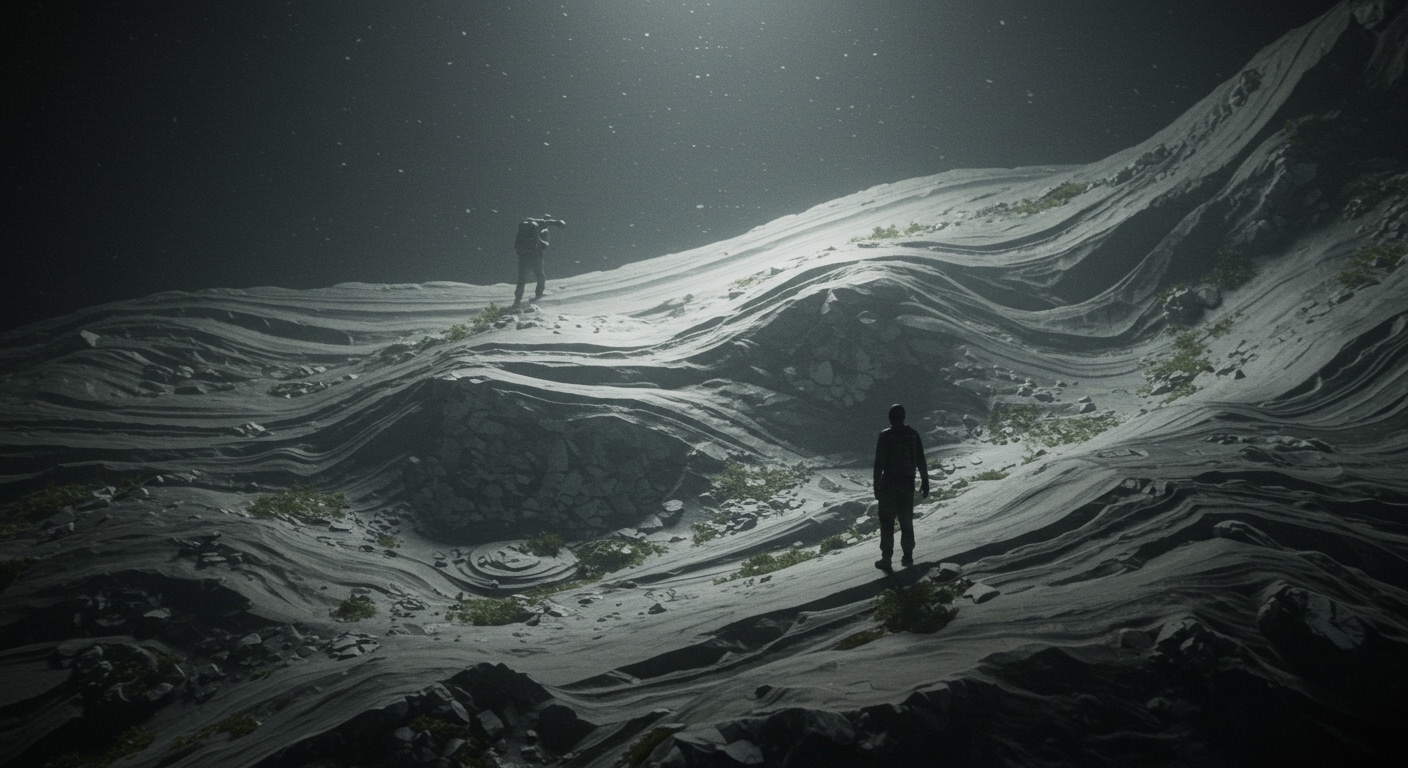
Unreal Engine 5.8’s experimental mesh terrain tools signal a shift in environmental design workflows.
These stories collectively point towards a future where the creation of virtual spaces is increasingly defined by the synthesis of automated generation and granular artistic control over dynamic properties. The push for performance optimization, robust asset libraries, and specialized shading solutions is not merely about achieving higher polygon counts or faster renders. It is fundamentally about enabling creators to imbue procedurally generated hyper-realistic environments with specific, nuanced artistic intent, particularly concerning lighting dynamics, material response, and expressive deformation, moving beyond static backdrops to truly interactive, responsive digital worlds.
The release of Aysu Hoşcan’s ABN Painterly Normals for Substance 3D Painter challenges the conventional wisdom that hyper-realism and stylized aesthetics occupy entirely separate technical pipelines for virtual spaces. Mainstream thought often segregates these, assuming real-time hyper-realism demands physically accurate material definitions and complex photometric lighting, while stylized work relies on flatter, artist-driven textures. However, ABN Painterly Normals allows artists to impart real depth and sophisticated lighting response to hand-painted brush strokes, blurring this technical dichotomy significantly. It demonstrates that dynamic, physically informed lighting is not exclusive to photogrammetry-derived assets or strictly photorealistic rendering, but can be harnessed to elevate artistic expression and material fidelity even within distinctly stylized contexts, creating richly textured and lit virtual environments. This pushes the definition of “hyper-realism” beyond just photorealism, into highly specific, authored digital materialism.
This convergence implies that the demand for technical artists who deeply understand material science, shader graphs, and lighting theory will intensify significantly. Their primary role will be to craft custom procedural systems that transcend generic asset library content and pre-defined rendering pipelines, enabling truly unique visual signatures. The advancements in real-time global illumination, such as the Lumen updates in Unreal Engine 5.8, amplify this need. Artists will not just place assets, but architect their dynamic material and light interaction behaviors. By mid-2027, major studios such as CD PROJEKT RED or Electronic Arts will demonstrably shift their hiring focus, investing heavily in specialist procedural art departments. These teams will move beyond mere content generation to developing custom, proprietary procedural frameworks that define unique spatial identities for their projects, ensuring every virtual space exhibits a specific ‘feel’ engineered from the ground up rather than assembled from marketplace components. This approach promises a new level of coherence and artistic intent in hyper-realistic environments.
The primary opposing force to this trend is the prevailing economic model that prioritizes rapid asset deployment through massive, generic libraries, exemplified by offerings like the Unity Environment Bundle. This approach emphasizes sheer quantity and immediate usability over the deep, bespoke integration of procedural artistry and custom shader development. The availability of over 4,500 assets at a significant discount encourages a “plug-and-play” mentality, where speed of assembly takes precedence. While efficient for meeting certain production timelines or budget constraints, this strategy often leads to environments that, despite appearing detailed, lack a distinct, engineered character. It fosters a reliance on pre-made solutions rather than pushing the boundaries of dynamic interaction and unique visual language, ultimately creating virtual spaces that are visually competent but fail to offer genuinely novel spatial experiences.
A working 3D Modeling professional should, this week, actively investigate the shader graph capabilities within their primary engine, be it Unreal Engine or Unity, and experiment with creating custom material functions that define how textures interact with light and geometry deformation, similar to the principles behind TensionFX. This involves moving beyond basic PBR material setup to understanding how to influence normal maps, displacement, and color response based on dynamic lighting conditions or object movement, thereby preparing for a future where bespoke material behaviors are a core artistic skill.
TL;DR
The future of 3D artistry integrates procedural generation with granular control over lighting and material dynamics for unique spatial experiences.
Curated References
About this editorial — This piece was developed using AI-assisted research and curation across multiple industry sources. All analysis, opinions, and predictions represent the editorial perspective of JHDD. Sources are linked in the references section above.