JHDD Branding Report — 2026.06.17
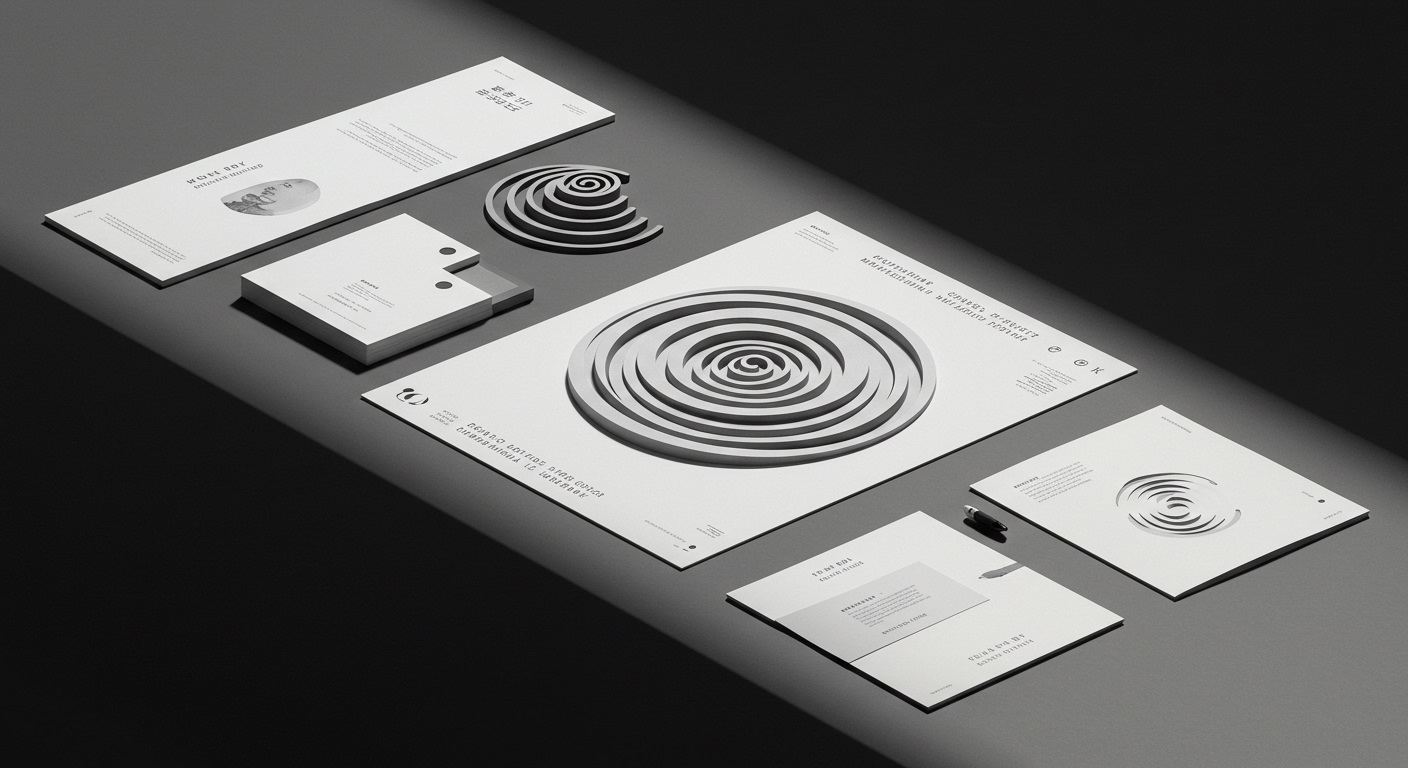
Pentagram’s identity for the Museum of Narratives (MoN Takanawa) in Tokyo features a joyful, expressive spiral that adapts across traditional and hyper-modern themes.
The disparate brand stories emerging from recent months reveal a consistent pattern: successful identities are increasingly functioning as sophisticated interpretive layers, not just as identifiers. Brands are moving beyond simple aesthetic differentiation to tackle the inherent complexities of their offerings, whether that is the abstract nature of data, the sensitive topic of hair loss, or the cultural synthesis of an experimental museum. The goal is to make the invisible legible, the complex accessible, and the nuanced tangible, often through highly specific visual systems rather than generic broad strokes.
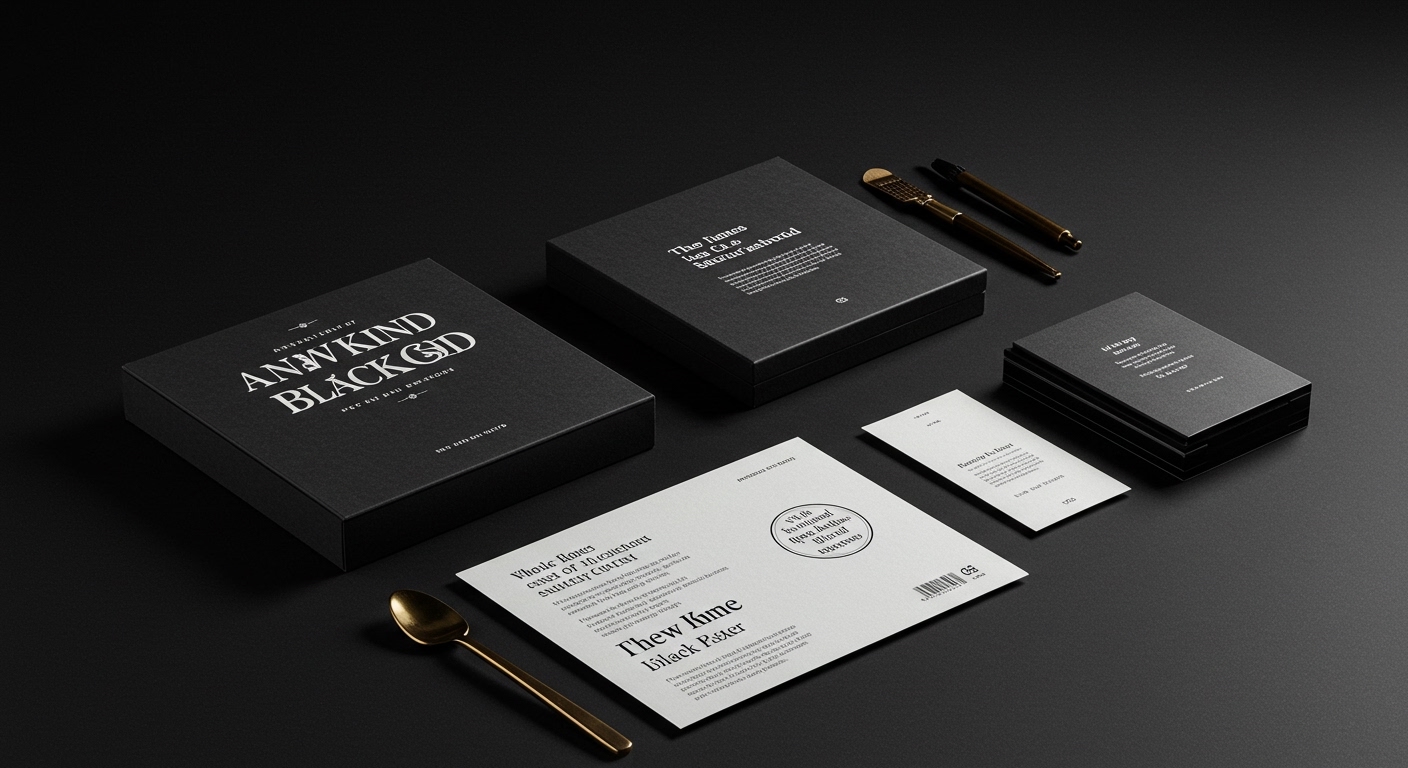
Consider Studio Gruhl’s “Global Hypercolour-esque” brand identity for Rerun, a platform for robotics data. The design aims to help users “see what robots see,” implying a visual translation of highly technical, multi-rate, multimodal data. Mainstream industry opinion often dictates that branding for deep tech, particularly for data infrastructure, should be minimalist, serious, and communicate efficiency above all else. This conventional wisdom suggests avoiding anything overtly artistic or playful to maintain credibility. However, this approach misses a crucial point. As technology becomes more abstract, a reductive visual identity can hinder understanding rather than enhance it.
The Rerun identity, with its specific and visually dynamic approach, demonstrates that for products dealing with profound abstraction, a thoughtful, interpretive visual language becomes critical. It transforms what could be a sterile, indecipherable stream of data into a perceptually anchored experience. This is not about superficial gamification, but about creating cognitive anchors. By mid-2027, the market will likely see an increased demand for design agencies capable of developing such deeply interpretive visual systems for advanced tech, moving beyond merely ‘clean’ aesthetics to truly ‘clarifying’ ones.
This trend toward interpretive identity faces resistance from established corporate structures and risk-averse marketing departments. Many larger organizations, often tied to legacy brand guidelines or a belief that simplicity inherently conveys modernity or premium status, struggle to embrace the nuanced complexity required for deeply interpretive visual systems. Their internal processes and traditional market research often favor general appeal and established aesthetic conventions over the bold, specific visual storytelling seen in brands like Rerun or the Museum of Narratives.
A branding professional can implement a crucial shift this week. Instead of commencing a new project with competitor analysis or generic trend reports, begin by investigating the core interpretive challenge of the client’s offering. Identify the most abstract, complex, or emotionally sensitive aspect of the product or service, and then brainstorm how to make that specific core visually and experientially coherent. This means focusing on the intrinsic nature of the offering, not just its market position or target demographic preferences.
TL;DR
Brands succeed by creating distinct visual systems that interpret complex product realities for their audiences.
Curated References
About this editorial — This piece was developed using AI-assisted research and curation across multiple industry sources. All analysis, opinions, and predictions represent the editorial perspective of JHDD. Sources are linked in the references section above.