JHDD Packaging Report — 2026.06.17
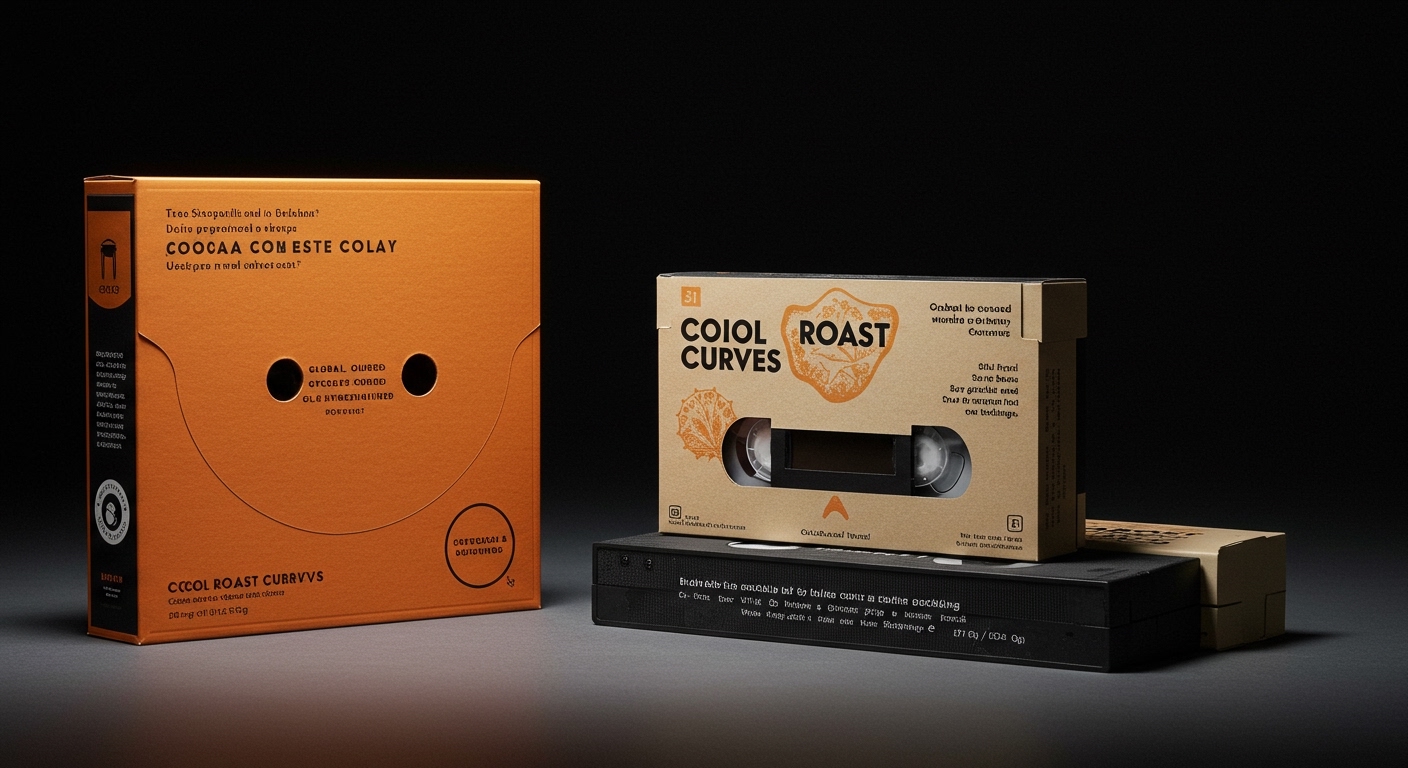
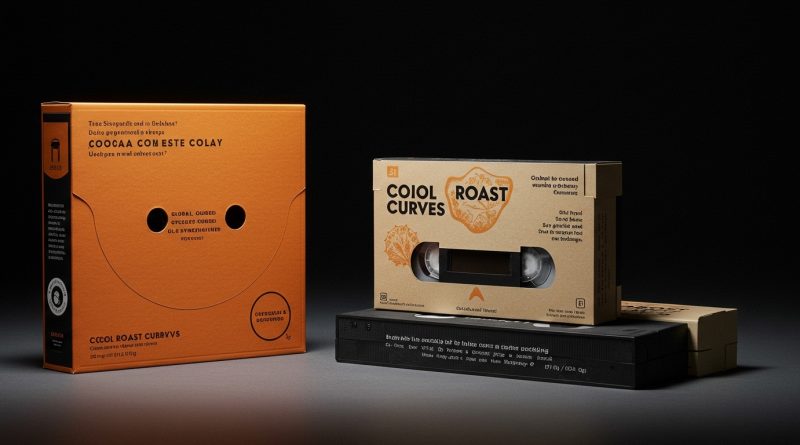
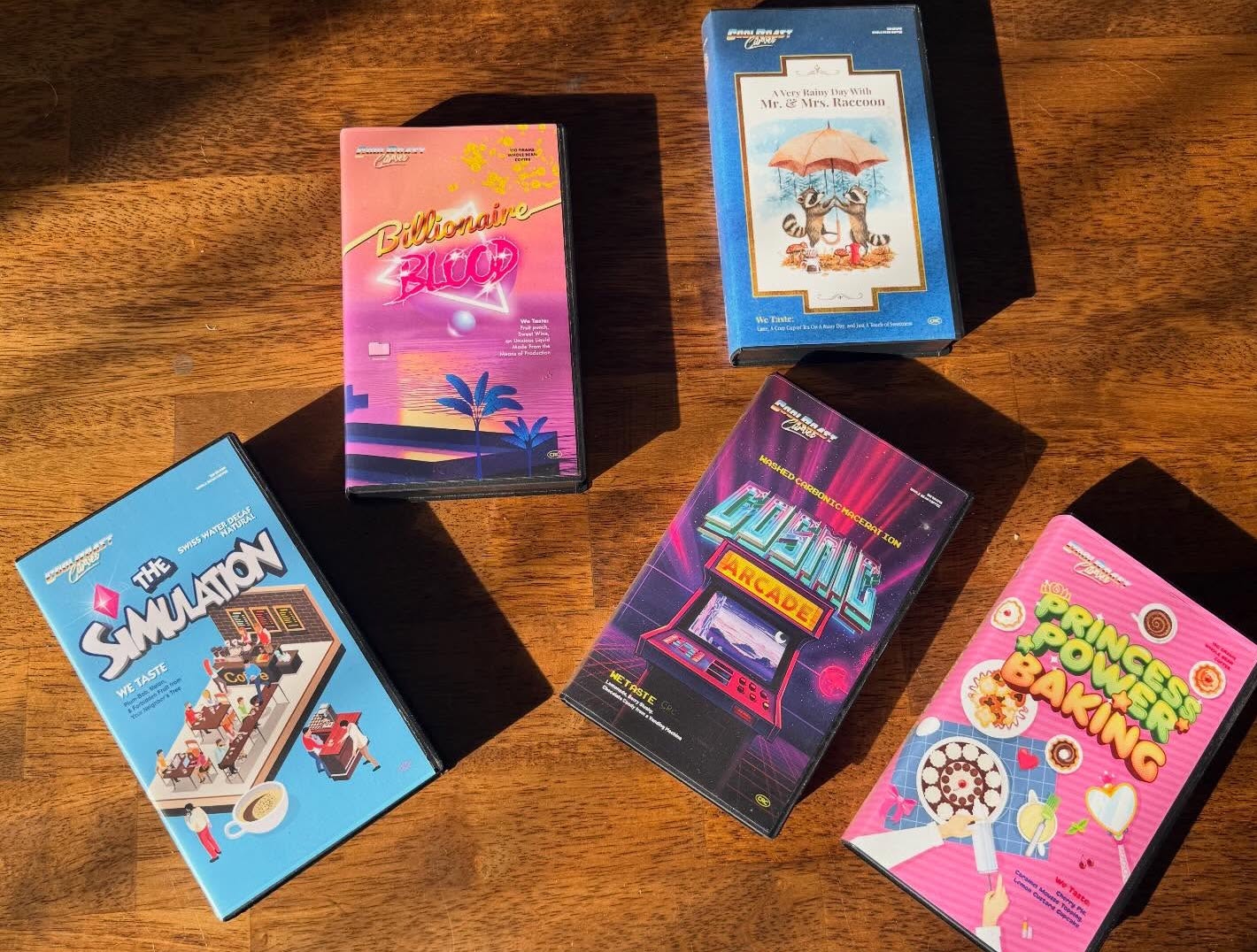
Cool Roast Curves packages its global-sourced coffee beans in custom-designed VHS tape cases.
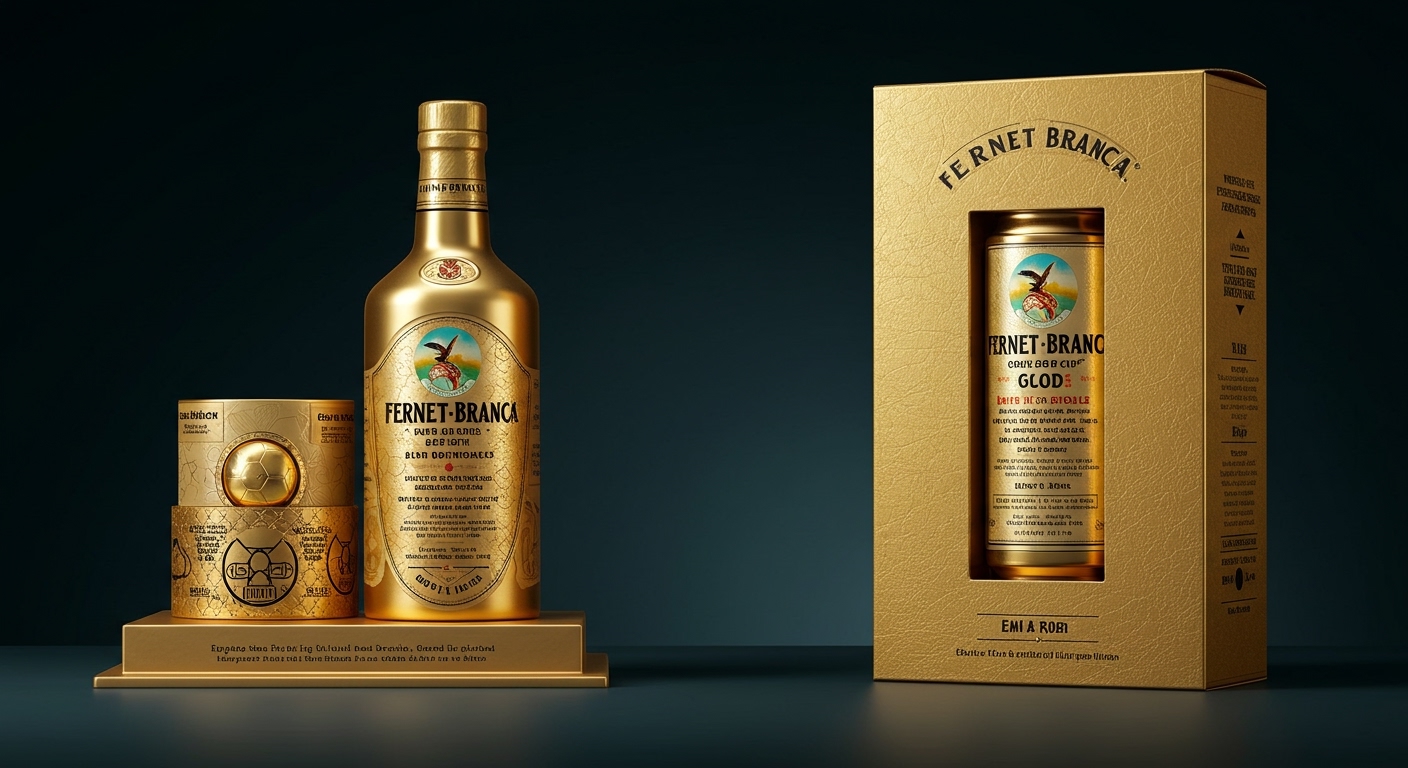
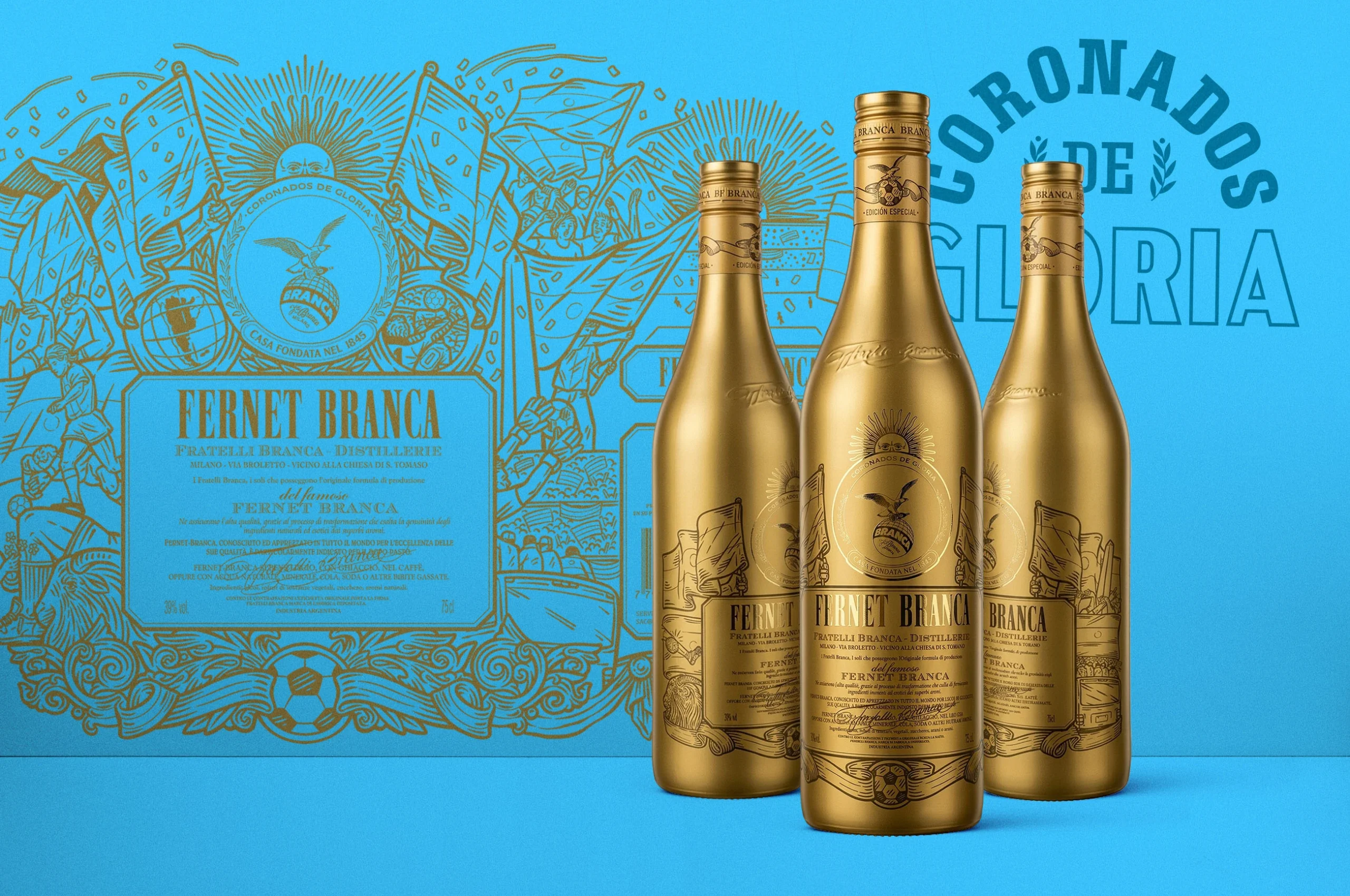
This unexpected choice, alongside designs like Midva Vidva Onadva’s label-less bottle and Fernet Branca’s metallic gold limited edition, signals a pivot from informational packaging to experiential artifacts. Brands are actively integrating product value into the primary packaging itself, using form, texture, and unexpected material finishes to create a lasting impression and tactile memory, extending beyond initial consumption. This moves the brand interaction beyond a fleeting shelf glance into a tangible experience that encourages retention and reuse.
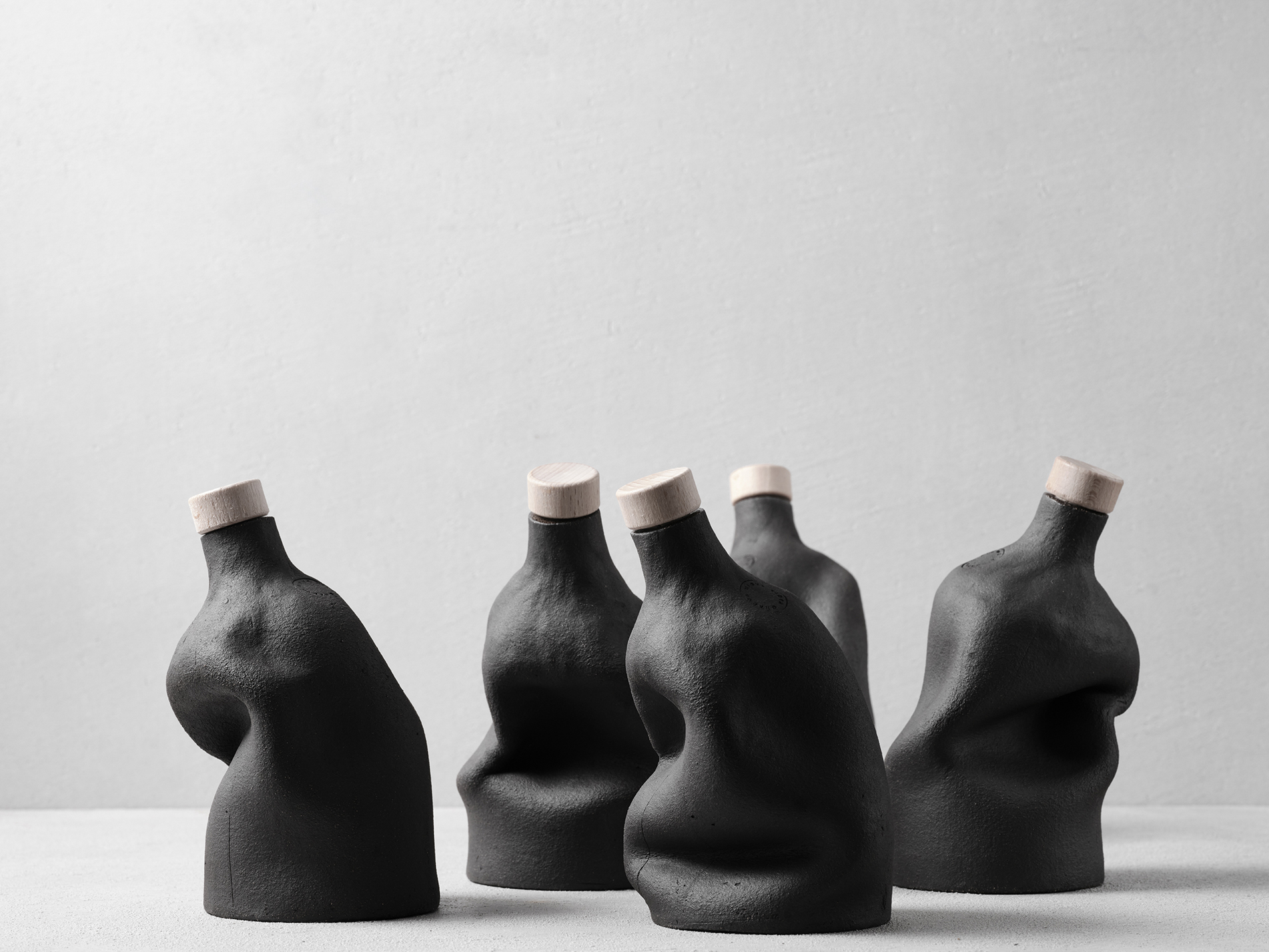
Midva Vidva Onadva, for instance, chose to skip the label entirely, allowing the bottle’s sculptural form to convey its essence. This directly challenges the entrenched industry belief that more information and prominent branding on a label are always necessary for shelf impact or consumer trust. From a sustainable packaging perspective, this approach is more than just aesthetically bold; it reduces the material layers, adhesive use, and printing processes associated with traditional labels. The bottle becomes a reusable object of desire, a piece of art that remains long after its contents are consumed, thereby elevating its perceived value and reducing its likelihood of immediate disposal. This emphasis on primary packaging as a collectible or decorative item, rather than merely a container, is a sophisticated form of material stewardship.
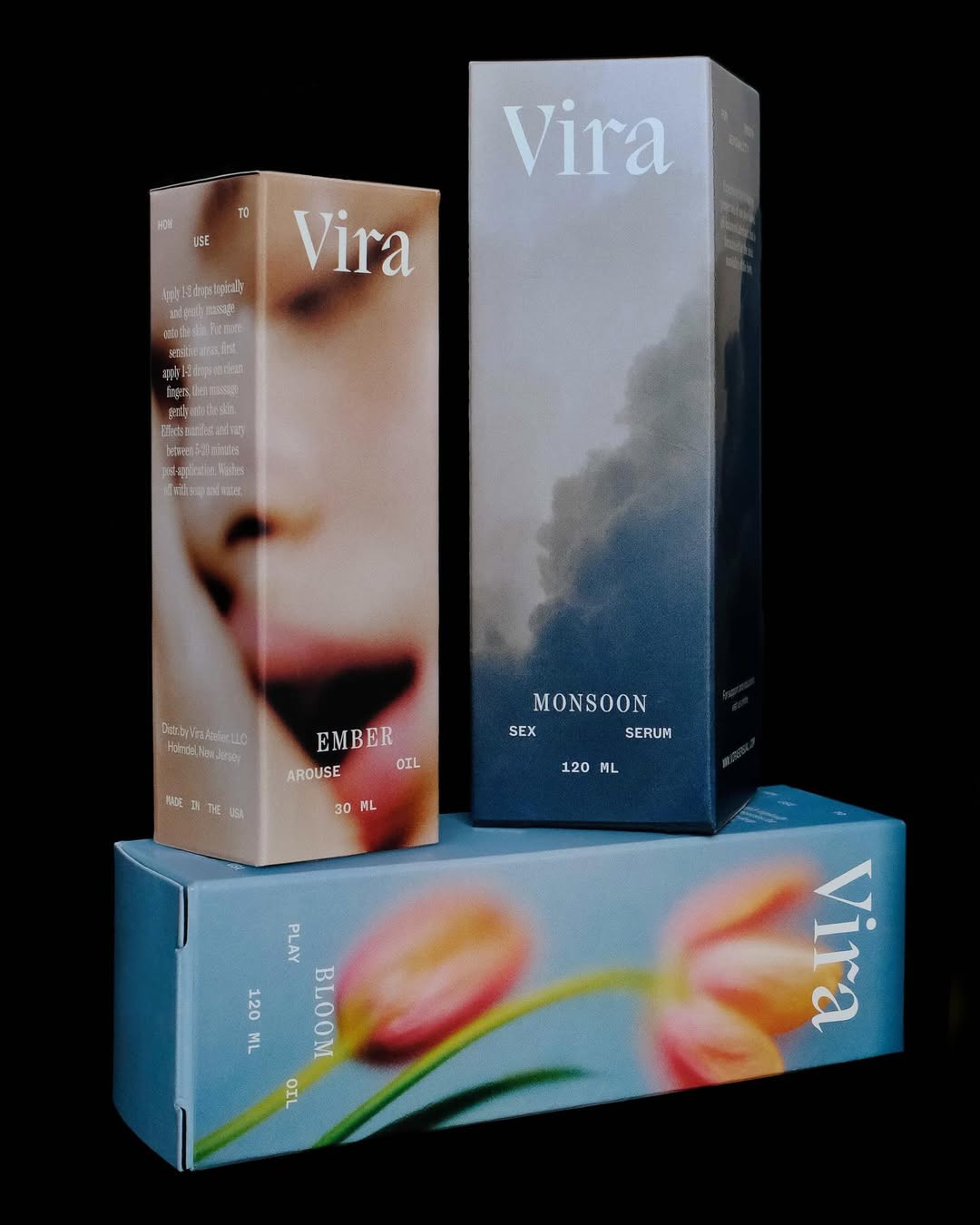
The prevailing wisdom often dictates that sustainable packaging must visually announce its eco-credentials through muted tones, visible fibers, or explicit iconography. However, the true sustainability of Midva Vidva Onadva’s design lies in its inherent quality and the desire it cultivates for preservation, not just disposal. By investing in the primary packaging’s tactile and visual appeal, brands like Vira, with its design of restraint and suggestion akin to fine fragrance, demonstrate that perceived luxury and durability can be powerful motivators for consumers to retain and reuse packaging. This shifts focus from “less bad” to “more good” by creating objects that inherently resist waste. By mid-2027, this journal expects to see a measurable increase in brands investing in the inherent tactility and secondary use potential of primary packaging, rather than relying on complex, disposable labeling.
The primary resistance to this shift comes from supply chain inertia and regulatory frameworks. The existing infrastructure favors standardized labeling for ease of production, inventory management, and regulatory compliance, particularly for ingredients and nutritional information. Furthermore, marketing departments often struggle to move beyond traditional visual communication strategies, fearing that a less verbose package might fail to communicate sufficient brand story or product benefits in a competitive retail environment.
A working packaging professional can conduct a “design for longevity” audit this week. For a current product, identify opportunities to embed brand identity and key information directly into the primary packaging material, whether through embossed textures, unique forms, or durable, high-quality finishes. Simultaneously, evaluate which pieces of label information could be integrated into the primary material or effectively migrated to a digital platform accessible via a simple QR code printed on the container itself, thereby eliminating secondary labels.
TL;DR
Packaging design is shifting towards creating inherent value and encouraging reuse through tactile, integrated material strategies.
Curated References
About this editorial — This piece was developed using AI-assisted research and curation across multiple industry sources. All analysis, opinions, and predictions represent the editorial perspective of JHDD. Sources are linked in the references section above.