JHDD Packaging Report — 2026.06.16
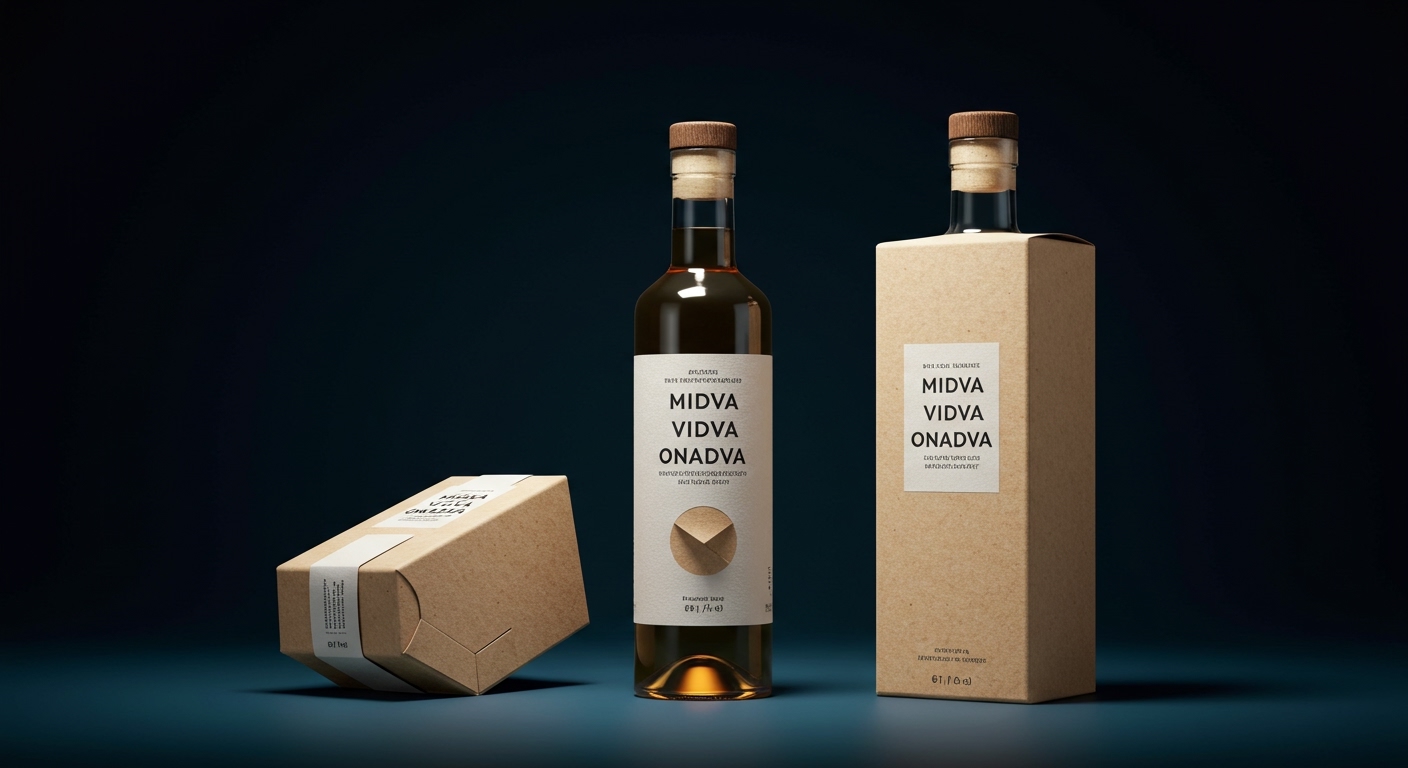
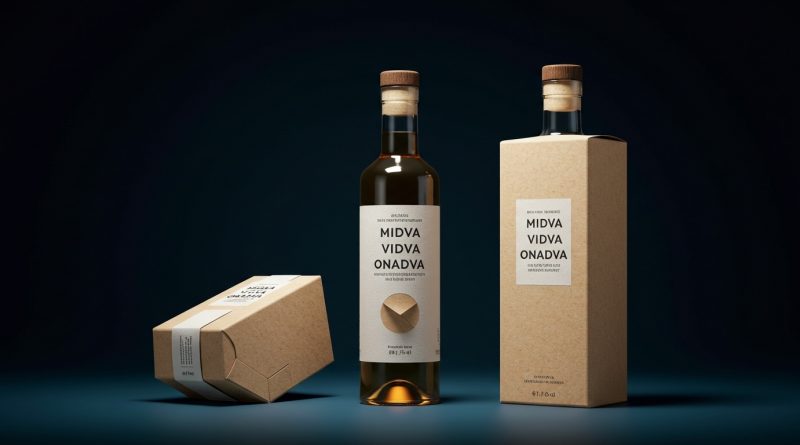
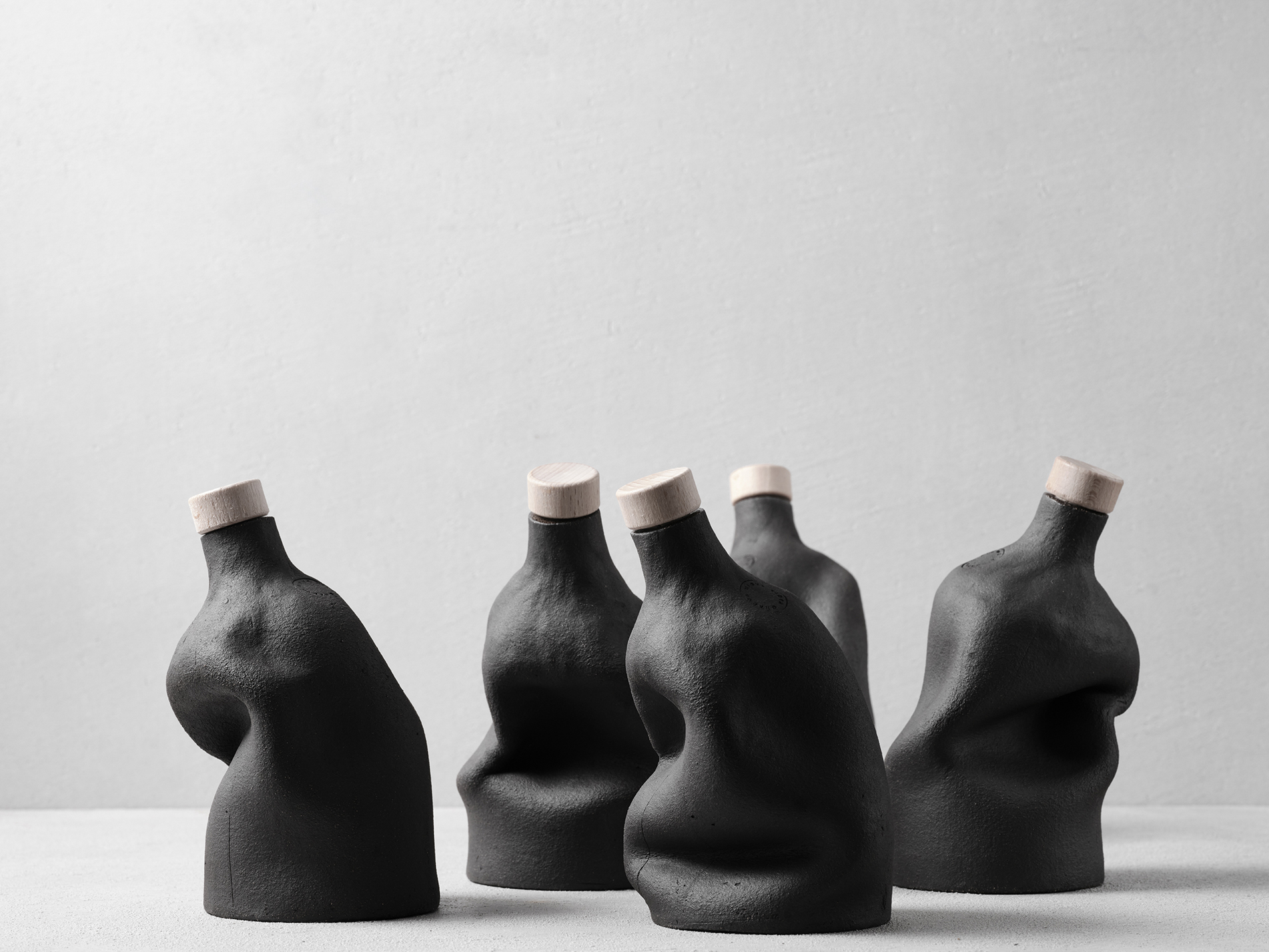
Midva Vidva Onadva’s decision to eliminate the label entirely and let its bottle serve as sculptural art signals a profound shift in consumer engagement.
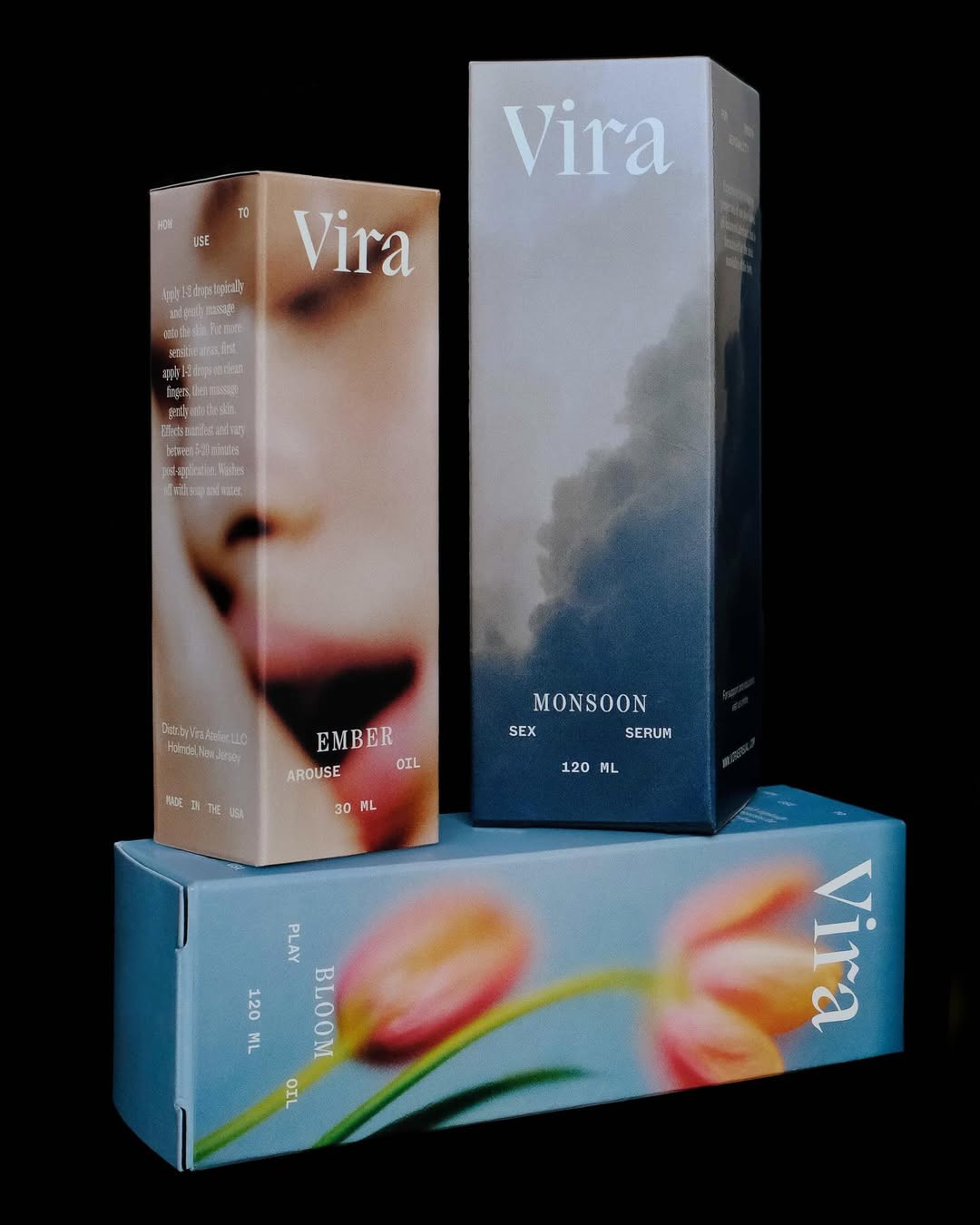
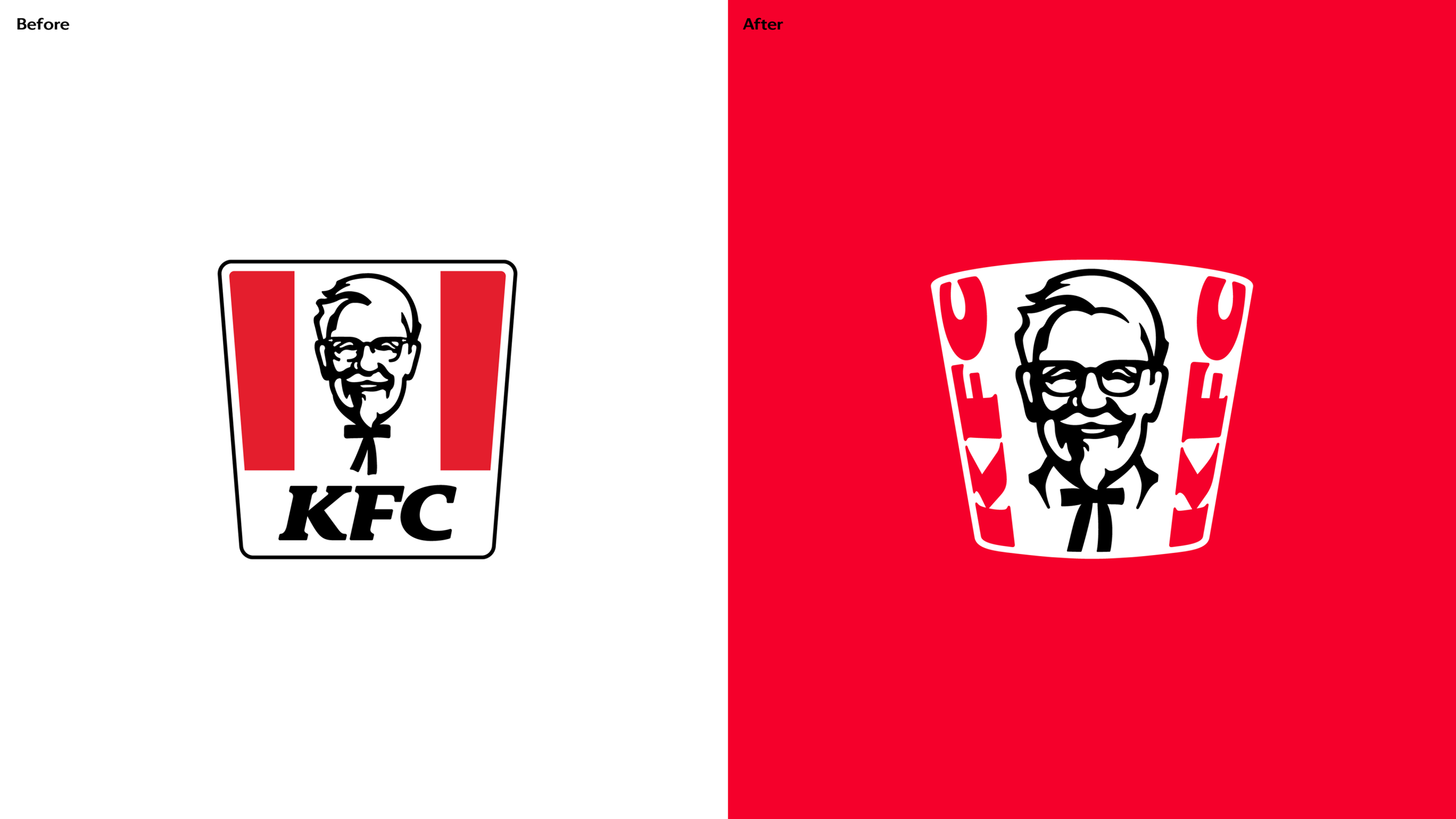
This singular focus on inherent form and tactile communication is echoed across recent developments. Vira’s intimate design by Super Spicy leverages restraint and suggestion over overt messaging, while Milk’s rebrand for Honeysticks celebrates plastic-free innovation with a joyful, tangible appeal. Even KFC’s subtle hidden drumstick, designed with JKR, demonstrates a quiet confidence in brand recognition without needing to shout. These instances collectively reveal a growing industry consensus that genuine connection increasingly arises from deeper sensory experiences embedded within the packaging itself, moving beyond surface-level information.
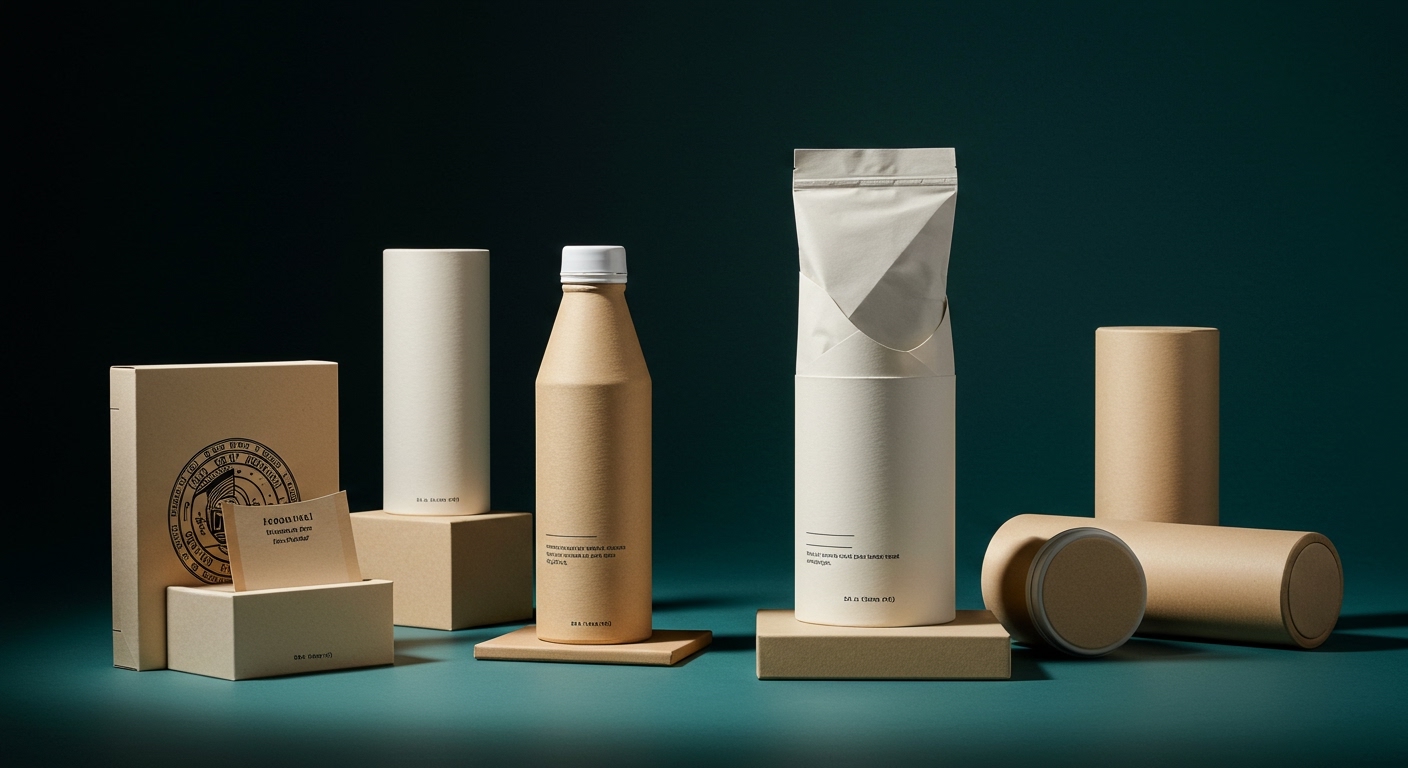
The Dieline Award-winning rebrand for Honeysticks by creative studio Milk exemplifies this shift, proving that plastic-free innovation can lead packaging design, not merely follow it. Mainstream industry opinion often perceives sustainable materials as a constraint, forcing aesthetic compromises or demanding excessive justification. However, Honeysticks’ success demonstrates that the material itself, in this case, plastic-free components, can be the primary source of ‘joyful’ and ‘modern’ appeal. The tactile and visual authenticity of consciously chosen, planet-friendly materials is becoming an active design asset, not merely a less-bad alternative. This reframe challenges the long-held belief that sustainability is a trade-off for premium aesthetics or a less impactful shelf presence. By mid-2027, brands that integrate inherent material sustainability as a core design driver, rather than an add-on, will experience significantly higher consumer trust metrics and product adoption.
This emphasis on intrinsic value extends to the unboxing experience and shelf impact. Vira, designed by Super Spicy, illustrates how a “whisper” can command more attention than a scream. The sophisticated restraint of its packaging invites a slower, more deliberate interaction, elevating the product from mere commodity to a curated object of intimacy. This approach contradicts the conventional wisdom that packaging must instantly convey every feature or benefit to stand out. Instead, Vira creates intrigue and trust through a minimalist aesthetic and implied tactile promise. The consumer is drawn in by suggestion, completing the narrative with their own imagination and values. The physical engagement, the feel of the material, and the considered reveal become paramount, driving desirability well beyond initial visual scanning on a shelf.
The primary resistance to this evolving landscape comes from the persistent “fake empire of authentic marketing,” where celebrity product placements and performative endorsements like Bella Hadid eating David’s protein ice cream or Justin Bieber sporting a Rhode eye mask continue to dominate brand budgets. These staged moments, while engaging, offer a superficial form of connection, often detached from the product’s actual packaging or material integrity. This reliance on external validation risks distracting brands from investing in the tactile, sustainable, and subtly communicative design that modern consumers, increasingly savvy about marketing machinery, now genuinely seek.
A working packaging professional should this week initiate an internal audit of their current material palette, focusing specifically on how each material contributes to the product’s tactile experience and perceived value, not just its functional protection or cost. This involves hands-on exploration, evaluating textures, weights, and environmental credentials in concert, rather than in isolation. Seek opportunities to replace components with inherently sustainable, sensually appealing alternatives that elevate the product’s story without needing a label to tell it.
TL;DR
Packaging must move beyond superficial messaging to communicate inherent value through sustainable materials and thoughtful tactile design.
Curated References


About this editorial — This piece was developed using AI-assisted research and curation across multiple industry sources. All analysis, opinions, and predictions represent the editorial perspective of JHDD. Sources are linked in the references section above.