Julian’s Packaging Insight — 2026.06.12
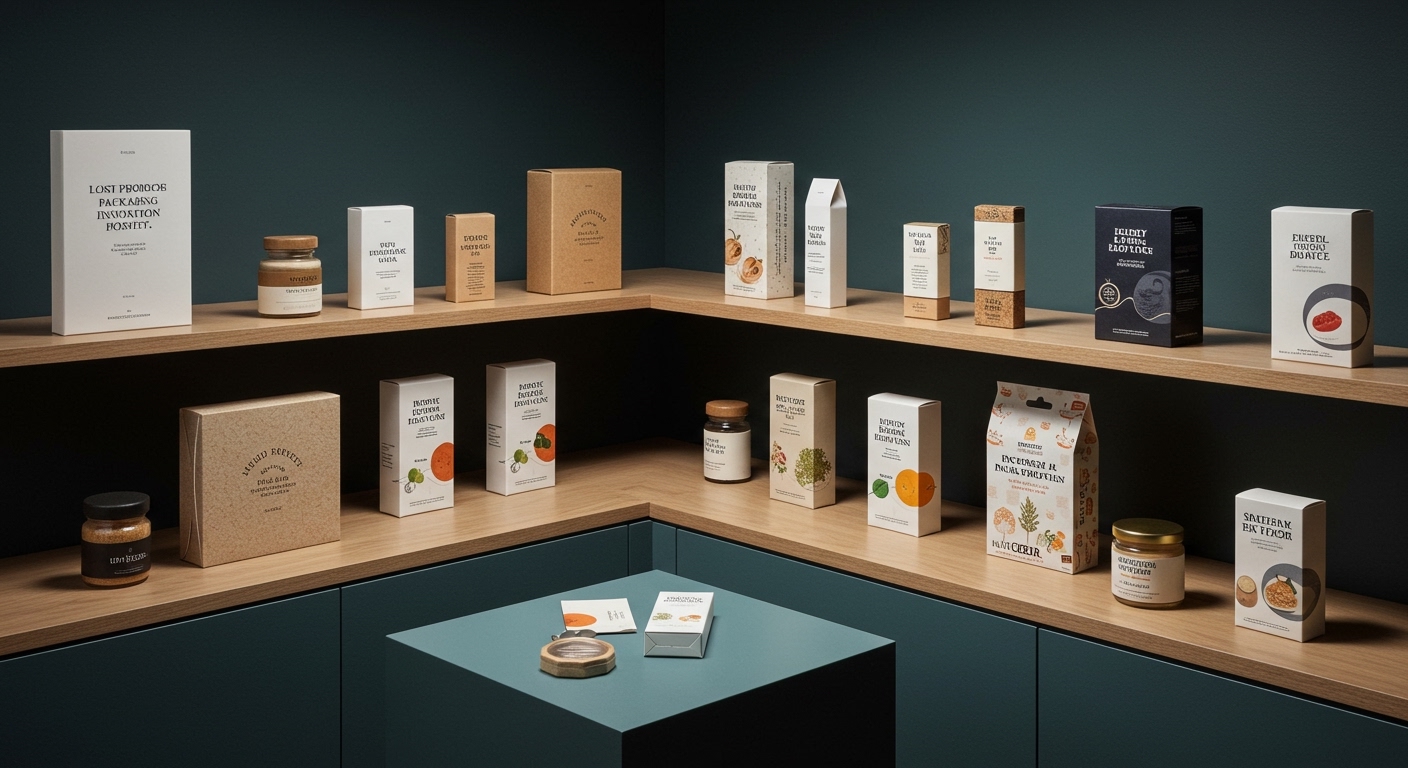
The most profound packaging innovation today is not about novelty, but about evocative familiarity.
In a world saturated with digital noise, the tangible has become a powerful differentiator. The unboxing experience is no longer a mere prelude to consumption; it’s a carefully orchestrated moment of discovery, an invitation to connect with a brand on a deeper, more sensorial level. Sustainable materials are rapidly evolving from a checkbox exercise to a core element of brand narrative, communicating values before a single word is read. Shelf impact is less about shouting louder and more about whispering with conviction, catching the eye through considered aesthetics and emotional resonance. This is the arena where tactile branding reigns supreme, transforming inert containers into objects of desire and carriers of memory. The packaging of today must be a silent storyteller, a physical anchor in an ephemeral digital landscape, and a sustainable promise whispered into existence.
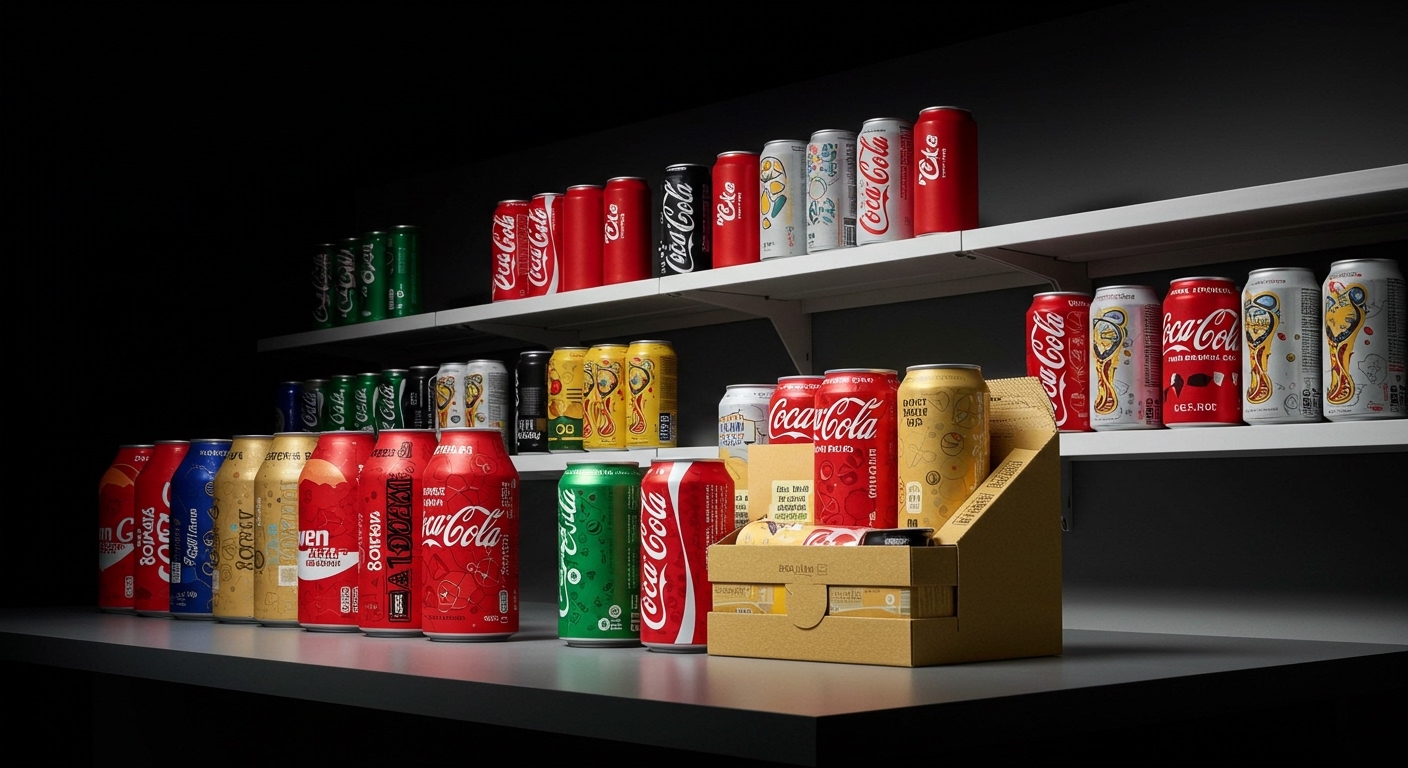
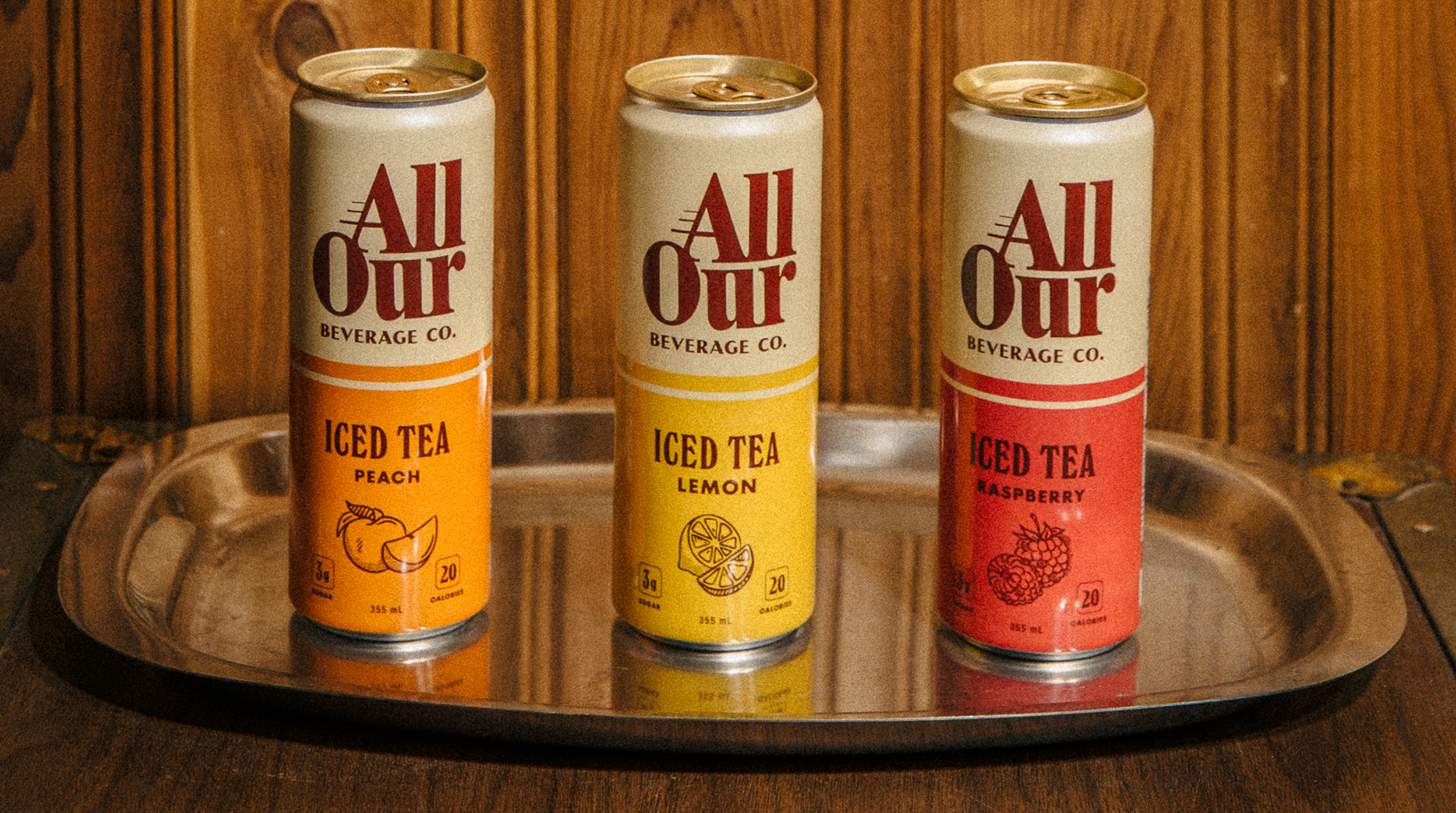
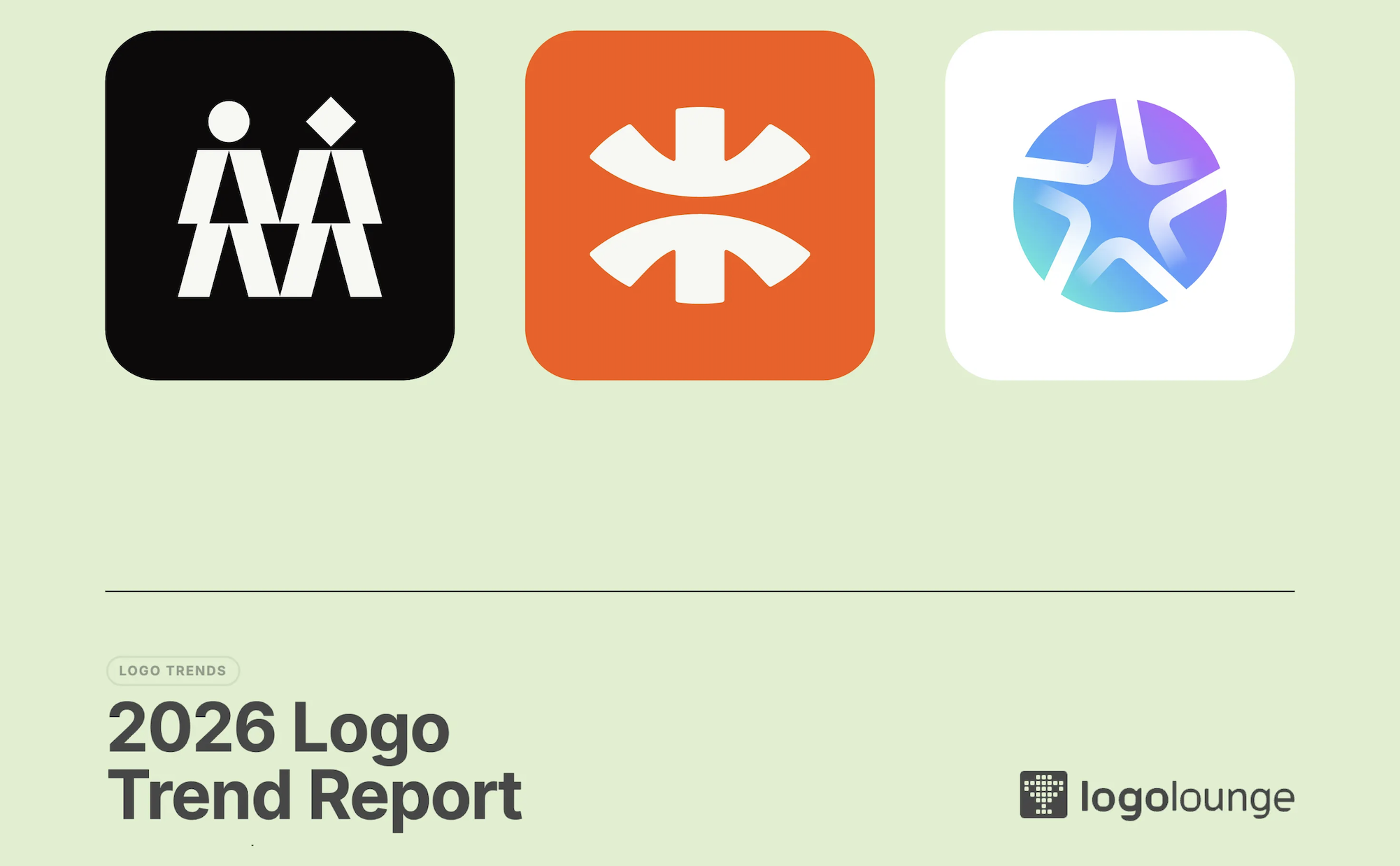
The news items coalesce around a potent duality: the drive for collectibility and the yearning for authentic simplicity, all underscored by a palpable shift towards dynamic, almost animated design. Coca-Cola’s FIFA World Cup cans, with their individualized yet unified collectible designs, tap into the primal human desire for belonging and personal expression within a larger cultural moment. They leverage the visual language of football jerseys – instantly recognizable, imbued with history and passion – to create a tangible artifact of shared experience. Conversely, All Our Tea embraces a deliberate retreat from the hyper-stimulated present, offering a visual identity that feels steeped in comforting nostalgia. This isn’t about mimicking the past, but about distilling its essence, creating a sense of enduring quality and calm. Bruichladdich’s X4+18 whisky, however, pushes the boundaries of the abstract, translating an invisible manufacturing process into a vibrant, almost psychedelic visual language. The bold, fluorescent colors and geometric layering transform the bottle into a piece of art, demanding attention through its sheer visual audacity. This spectrum of approaches, from mass collectibility to introspective simplicity to abstract expression, highlights a sophisticated understanding that packaging’s role is expanding beyond mere containment to become a multifaceted brand ambassador. The LogoLounge trend report, with its emphasis on “everything is on the move,” further validates this evolution, suggesting that static visuals are increasingly giving way to dynamic, almost living designs that engage the viewer in a more active, immersive way.
The tension lies in the simultaneous pursuit of fleeting digital engagement and enduring physical permanence, of mass appeal and exclusive belonging. Côte Citron’s “Members Only” approach embodies this dichotomy, positioning a simple lemon radler as an exclusive artifact of a desirable lifestyle, an aspiration sealed in a can. This is an attempt to imbue a mass-produced item with an aura of scarcity and curated experience, a tactic to elevate the everyday into something noteworthy. Yet, this stands in contrast to the more universal, collectible allure of Coca-Cola or the comforting embrace of All Our Tea. The desire for what is exclusive often stems from a broader human need for connection, and the packaging must navigate this complex interplay, offering both individual gratification and a sense of shared narrative, a feat made more challenging by the increasing environmental imperative to reduce consumption and waste.
Within five years, sustainable packaging will be inextricably linked to generative design principles, with AI dynamically adapting packaging aesthetics and material compositions based on real-time consumer interaction and localized environmental impact data.
TL;DR
Packaging is evolving from inert containers to dynamic, emotionally resonant, and sustainably conscious storytellers.