Julian’s Packaging Insight — 2026.06.11
The era of disposable delight is ending, and our hands are about to feel the seismic shift.
The act of unboxing has transcended mere function to become a ritual, a curated sensory journey. In today’s hyper-competitive market, where digital noise constantly vies for attention, the physical packaging acts as the crucial first touchpoint, the silent salesperson on the shelf. Brands are no longer just selling products; they are selling experiences, and the vessel carrying that experience is paramount. This is why sustainable materials are not just an ethical imperative but a powerful branding tool, communicating a commitment that resonates with a growing conscious consumer base. Shelf impact, the immediate visual and tactile impression a product makes amidst a crowded retail landscape, is directly influenced by design choices that balance aesthetic appeal with environmental responsibility. And at the heart of this tactile interaction lies the burgeoning field of tactile branding, where textures, finishes, and form are deployed to evoke emotion, build brand loyalty, and forge deeper connections, turning a commodity into a cherished object.
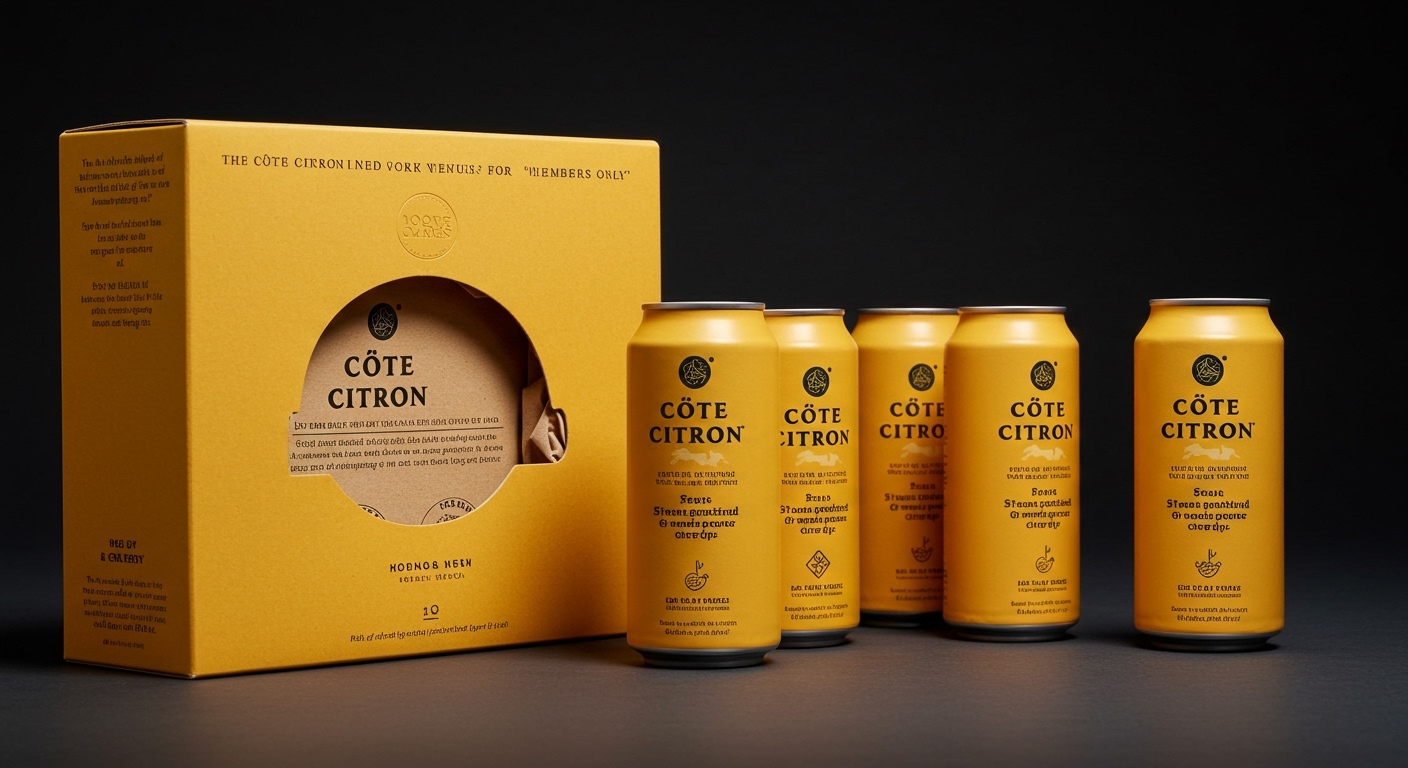
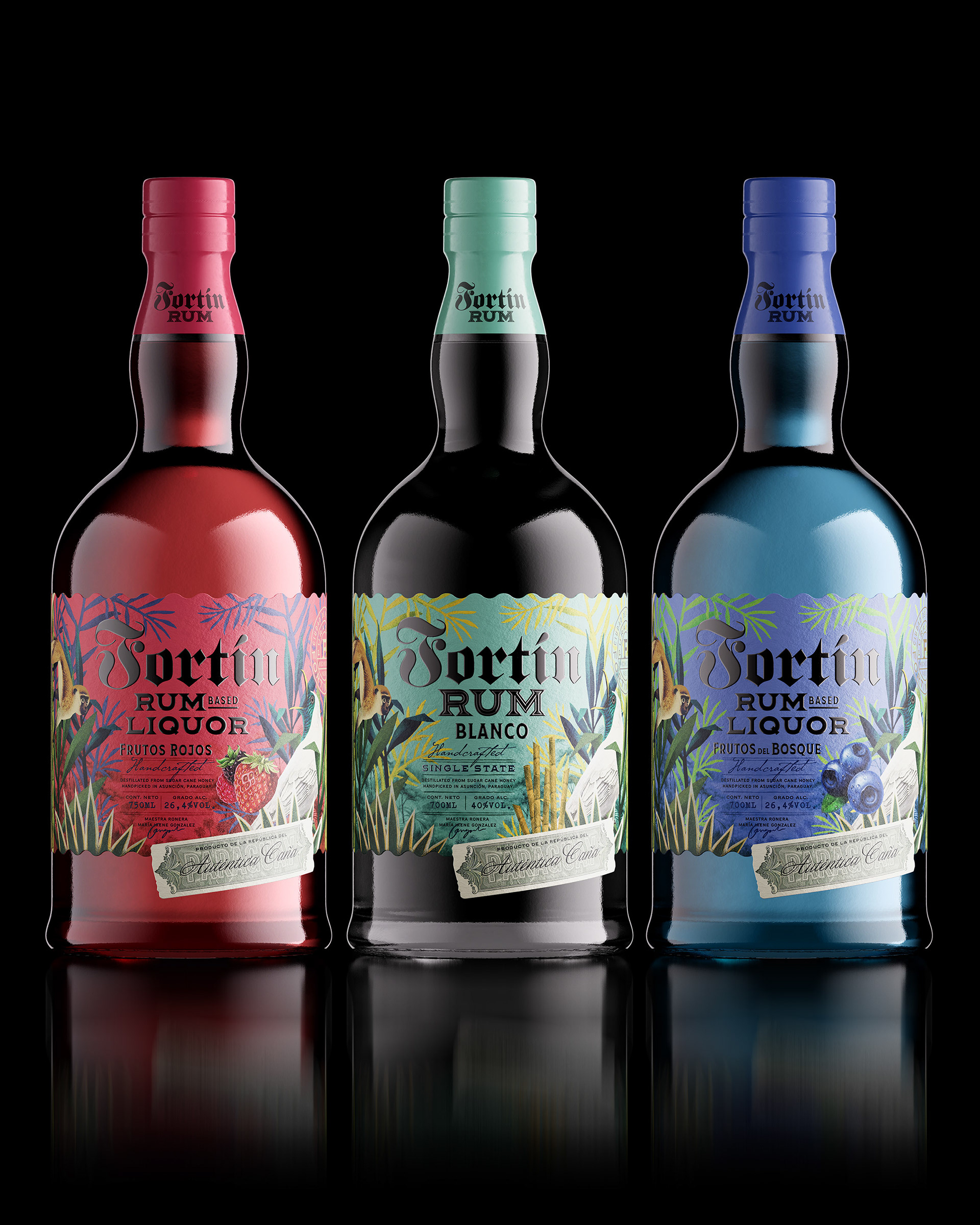
The news items reveal a fascinating dichotomy in how brands are navigating this evolving landscape. On one hand, we see a deliberate move towards exclusivity and curated experience, epitomized by Côte Citron’s “Members Only” cans. This approach leverages packaging not just for containment, but as a gatekeeper to a desirable lifestyle, imbuing the product with an aspirational aura. Simultaneously, legacy brands are wrestling with their own histories, seeking to modernize without alienating their established customer base. Dragon Rouge’s work on Oro Saiwa demonstrates a nuanced approach, stripping down to its iconic essence to retain familiarity while injecting contemporary relevance. The Fortín Rum packaging, with its intricate naturalist’s field notes, offers a different strategy for establishing heritage and crafting a rich narrative; it elevates the rum’s origin and character through detailed illustration and a thoughtful color system, transforming the bottle into an artifact of discovery. This suggests a dual trajectory: brands either embrace a highly targeted, exclusive identity or painstakingly excavate and refine their existing stories for a modern audience.
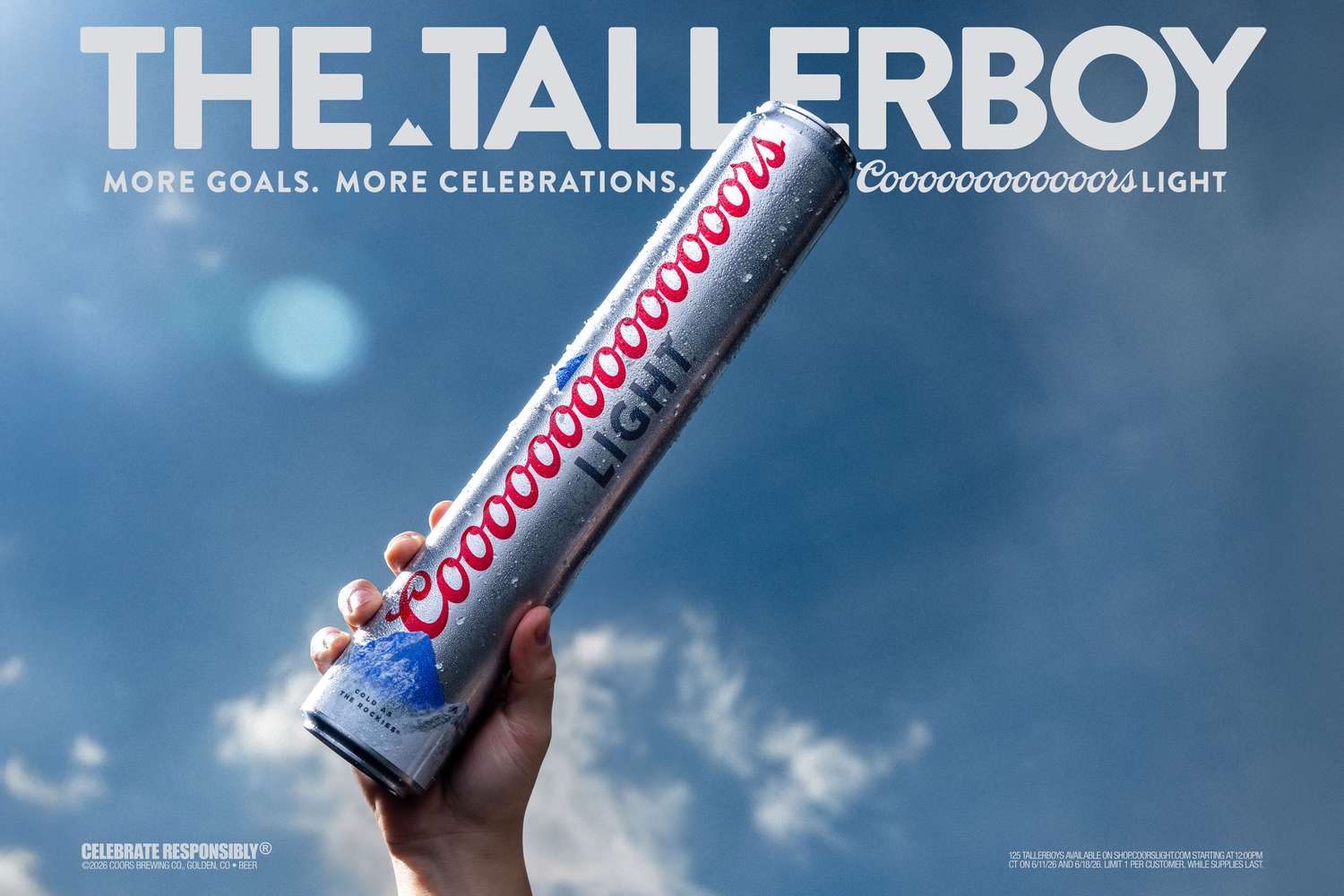
The tension lies in the delicate balance between nostalgia and novelty, between accessibility and aspiration. Pirate’s Booty’s rebrand, moving from hand-drawn charm to CGI polish, highlights the potential pitfall of modernization: the risk of sanitizing the very imperfections that made a brand endearing. While Coors Light’s “Tallerboy” seems to court pure novelty, a seemingly absurd yet undeniably attention-grabbing gesture, it taps into a different aspect of packaging’s role – that of occasion and communal experience. It’s a playful, almost defiant act that acknowledges the emotional, rather than purely functional, aspect of beverage consumption. This creates a fascinating contradiction: are brands striving for sophisticated, curated experiences that whisper exclusivity, or are they finding success in bold, even provocative, gestures that shout accessibility and shared enjoyment? The answer, it seems, lies in understanding the specific audience and the desired brand perception, whether that’s a whispered secret or a boisterous celebration.
Within the next five years, brands that treat their packaging as a static advertisement will become obsolete, replaced by those that design for continuous engagement, transforming the discard into a desirable keepsake through integrated digital touchpoints and materially innovative, circular design principles that foster a lasting emotional and practical value.
TL;DR
Packaging is evolving from disposable container to tactile narrative, balancing exclusivity with accessible experience, and the future lies in sustained engagement through circular design.