JHDD Architecture Report — 2026.06.10
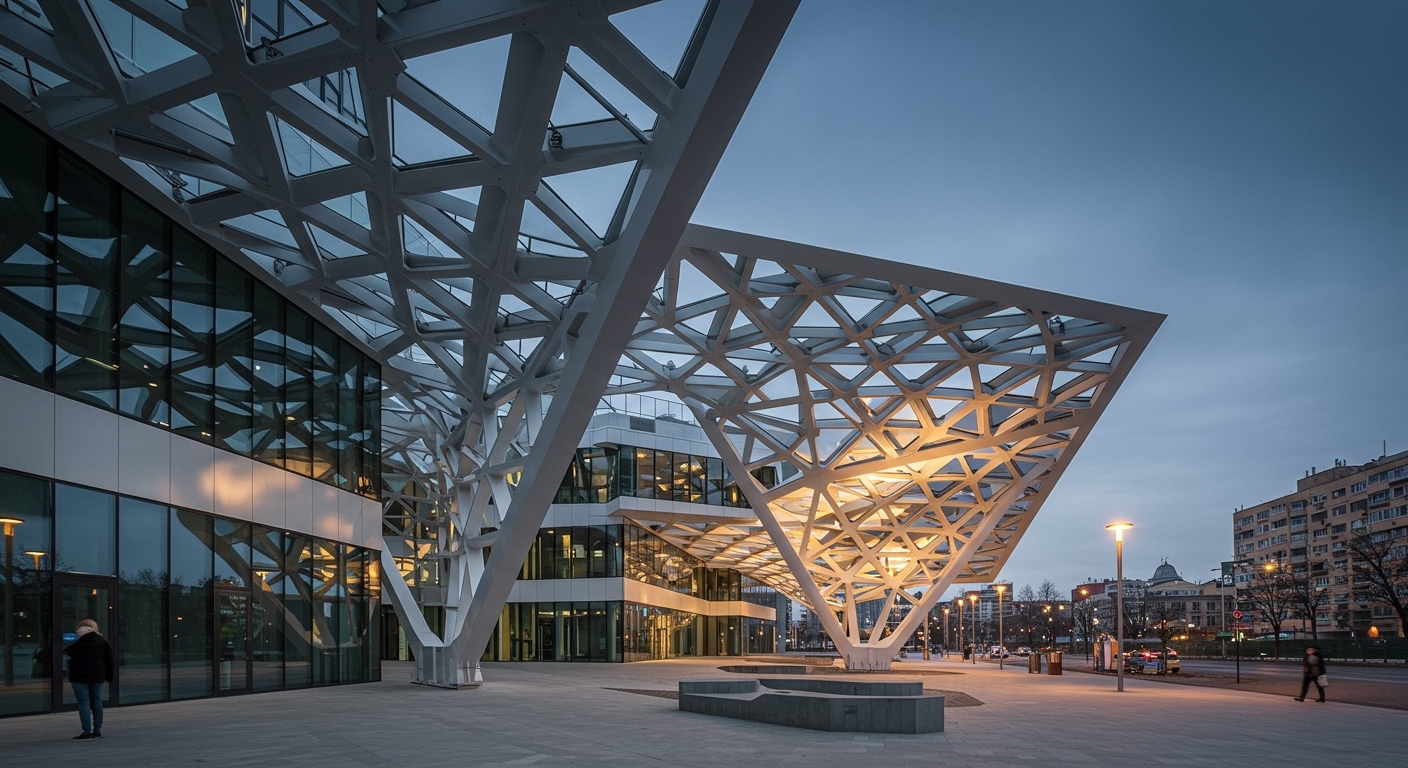
The hyper-normalization of digitally fabricated architectural components is creating a latent structural vulnerability within our cities.
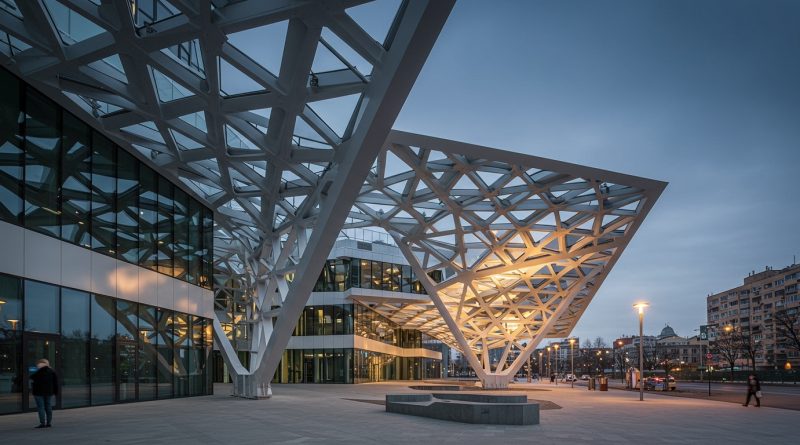
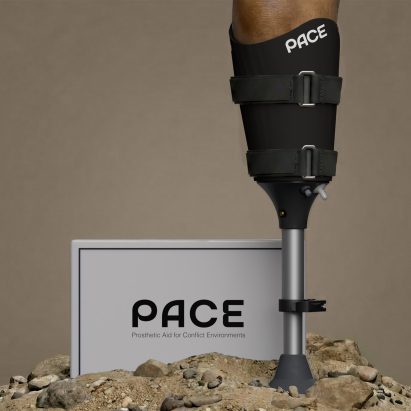
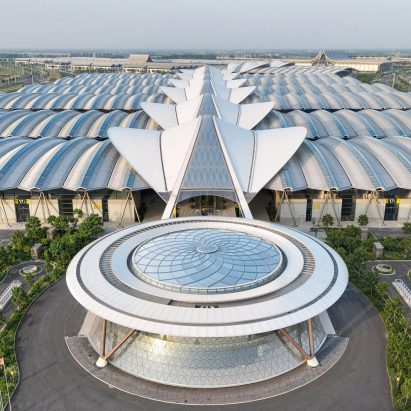
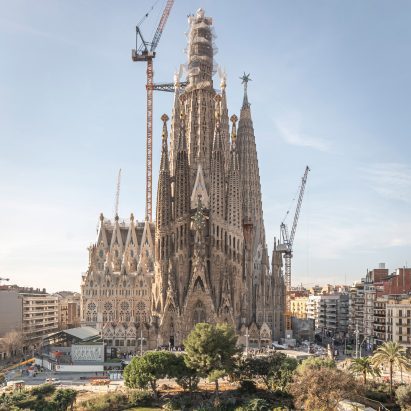
The confluence of projects – from Zaha Hadid Architects’ digitally informed housing to the hyper-contextualized assembly of Gaudí’s Sagrada Familia, and the modularity implied in Glasgow School of Art’s self-assembly prosthetic – points to a fundamental shift. This isn’t merely about new aesthetics or improved fabrication; it’s about the emergence of what can be termed “Distributed Material Intelligence.” This intelligence decentralizes construction decision-making, moving it from a singular, centralized design to a network of optimized, often algorithmically generated, elements. Each component, though appearing distinct, is part of a larger, adaptive system. The ILKW lighting, for instance, with its playfully modular glass components, is a domestic echo of this larger trend, demonstrating how even seemingly frivolous design can engage with distributed assembly principles. RSHP’s convention center, while vast, exhibits this through its meticulously cataloged, interconnected modules forming the mile-long walkway.
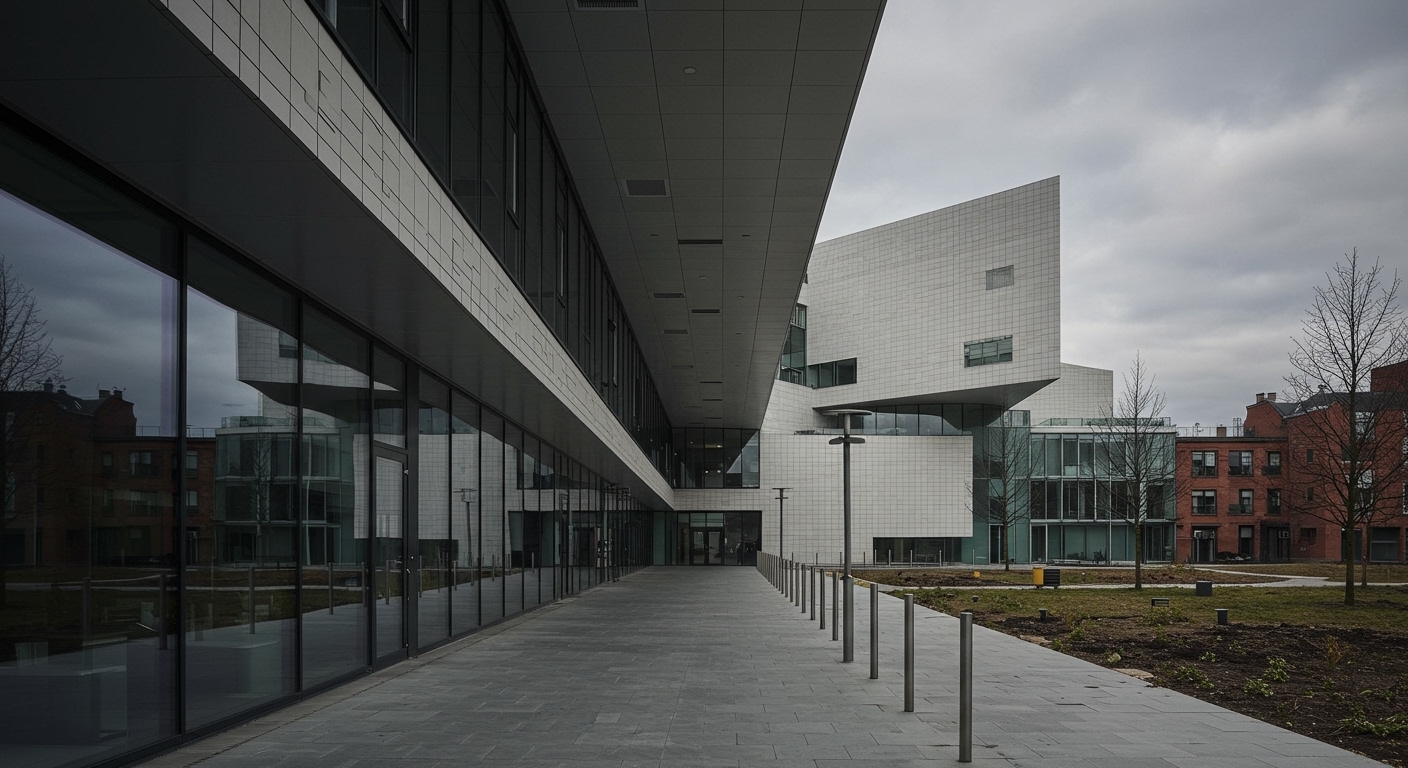
Beneath the surface of these disparate examples lies a quiet revolution in structural philosophy, one that prioritizes adaptive assembly over monolithic construction. The conventional wisdom often champions the grand, singular gesture, the monolithic expression of a singular design intent. However, Distributed Material Intelligence suggests a more fluid, less ego-driven approach. Consider the work of Block Research Group at ETH Zurich, pioneers in computational design and digital fabrication of complex geometries, particularly with concrete. Their research, focusing on form-foundries and optimized material deposition, directly addresses this emergent paradigm. Instead of a firm predicting the next “iconic” building, the industry is moving towards designing the protocols for intelligent, adaptive material deployment. By late 2027, we will see at least 10 significant urban projects globally where the primary structural system is designed for component-level disassembly and reassembly, rather than demolition, enabled by this distributed intelligence.
This paradigm shift faces significant resistance from entrenched economic and regulatory structures. The traditional construction industry thrives on economies of scale derived from mass production of standardized components and established supply chains. Furthermore, building codes are largely predicated on the performance of monolithic structures and predictable failure modes. The notion of a building composed of numerous, individually intelligent, potentially interchangeable components introduces an entirely new set of variables that current safety standards and insurance models are ill-equipped to handle. This tension reveals a fundamental conflict between the inherent adaptability and potential circularity offered by distributed intelligence and the inertia of industrial-age infrastructure.
The takeaway for a working architecture professional is to begin interrogating the inherent intelligence of the materials and assemblies being specified. Instead of solely focusing on aesthetic resolution and programmatic function, architects must actively investigate the underlying logic of how components are manufactured, how they interact, and how they might be deconstructed or repurposed. This means looking beyond supplier catalogs and delving into the fabrication processes, the material passports, and the proposed assembly methodologies. This week, when reviewing a material specification or detailing a connection, ask: “What is the intelligent protocol embedded within this component, and how does it contribute to the building’s larger adaptive capacity or its end-of-life scenario?”
The future of urban responsibility lies in designing for emergent adaptability through distributed material intelligence.
Curated References


About this editorial — This piece was developed using AI-assisted research and curation across multiple industry sources. All analysis, opinions, and predictions represent the editorial perspective of JHDD. Sources are linked in the references section above.