JHDD Interior Report — 2026.06.09
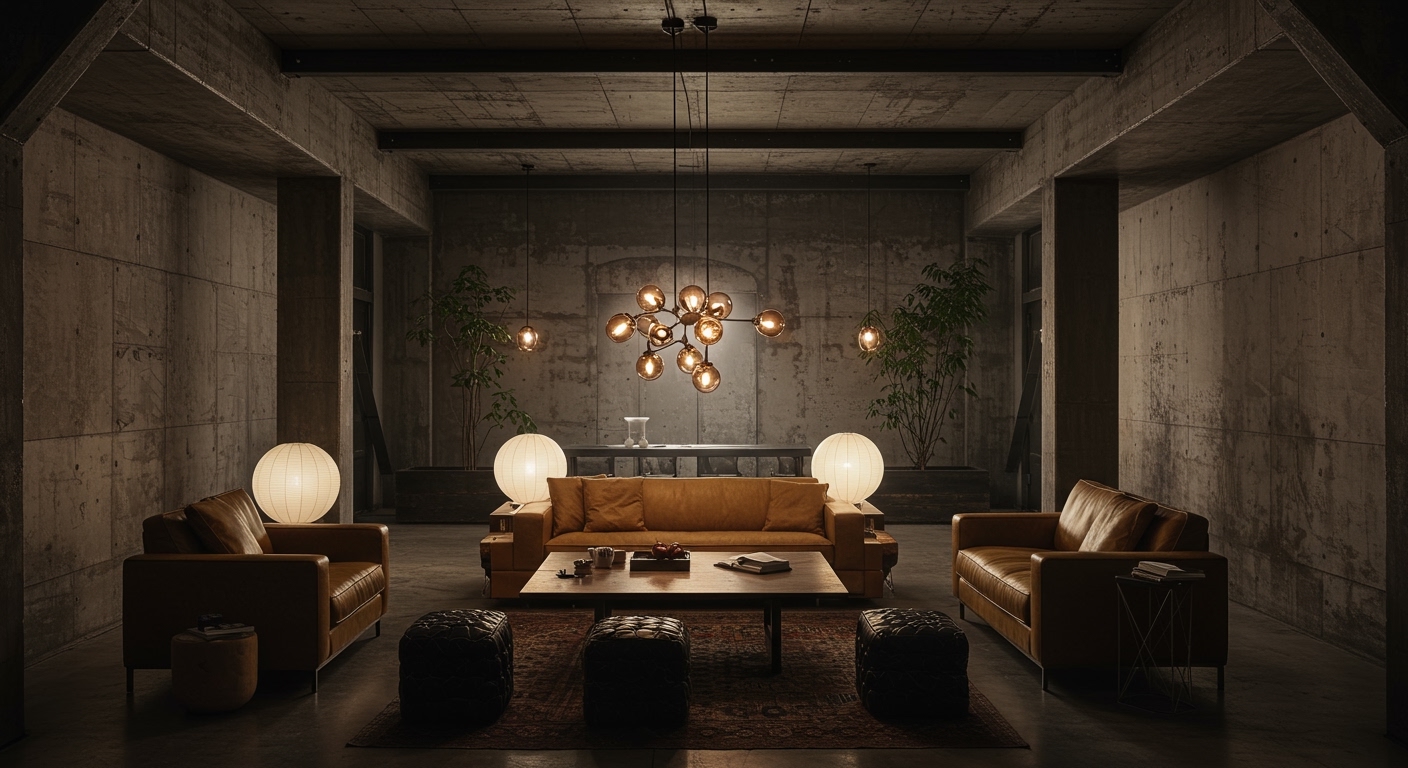
The enduring appeal of the industrial patina is less about nostalgia and more about its inherent tactility, a crucial differentiator in an increasingly digitized world.
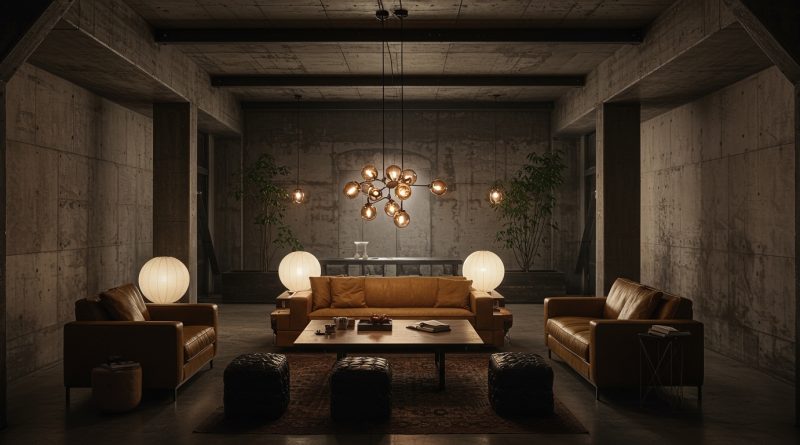
Across several recent projects, a potent, if subtle, pattern emerges: the deliberate embrace of materials that speak a language of raw experience. This isn’t merely about mimicking industrial aesthetics; it’s about tapping into a primal human desire for substance and authenticity. The articles touch upon this with references to “industrially inspired materials” and “basalt rock formations,” hinting at a deeper current. The underlying force is the recalibration of sensory engagement in interior spaces, a reaction against the smooth, seamless, and often sterile digital interfaces that dominate modern life. This “tactile renaissance” prioritizes surfaces that invite touch, that bear the marks of their making, and that offer a tangible counterpoint to ephemeral digital experiences.
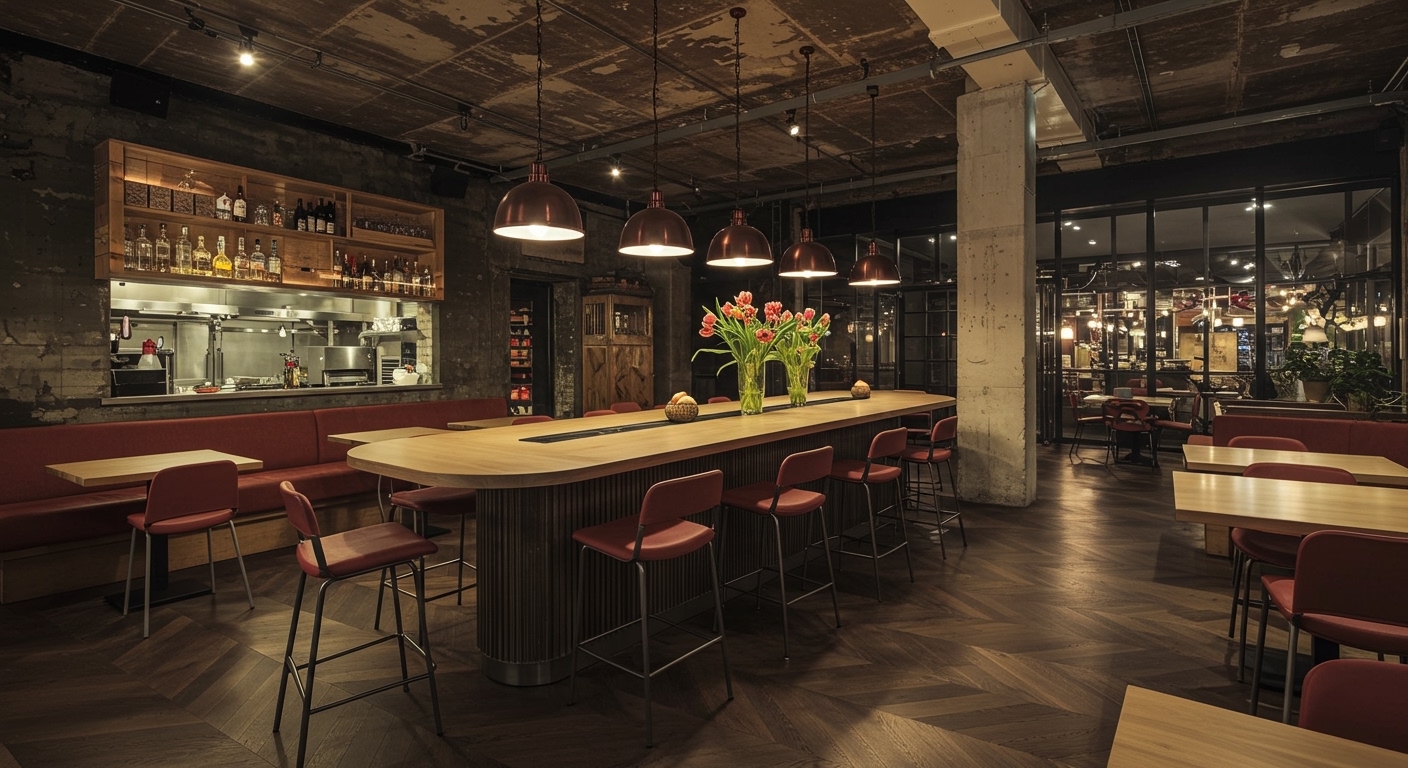
Beneath this surface trend lies a profound shift in how materiality is leveraged to create spatial tension. Take, for instance, the approach of Esrawe + Cadena for their Xinú Oaxaca showroom. By drawing inspiration from “basalt rock formations,” they are not simply selecting a material; they are imbuing the space with an elemental quality. This move, however, often runs counter to the prevailing industry narrative that leans heavily on polished finishes and predictable palettes for a sense of luxury. The conventional wisdom often equates opulence with seamlessness, a smooth veneer that hides all imperfections. Esrawe + Cadena, by contrast, are suggesting that true luxury, in this new paradigm, can be found in the unvarnished truth of materials, their inherent texture, and their capacity to generate a dynamic, almost geological, spatial experience. This exploration of raw materiality is not just about visual appeal; it is about crafting spaces that feel grounded, visceral, and deeply human. By late 2026, this emphasis on material honesty will move from a considered design choice to a fundamental expectation in high-end residential and hospitality projects, particularly those seeking to cultivate a sense of groundedness.
The opposing force to this embrace of raw materiality is the persistent demand for extreme polish and the pervasive influence of fast-fashion design cycles, which often prioritize novelty and easily reproducible aesthetics over enduring tactility. Brands and developers clinging to these established models are inadvertently creating spaces that feel superficial, lacking the depth and resonance that consumers are increasingly seeking. This tension reveals a disconnect between the industry’s established marketing language of “luxury” and the evolving desires of a clientele that yearns for genuine sensory engagement. The resistance comes from those who have not yet grasped that true luxury is no longer solely about a high price tag or a flawless surface, but about the quality of the human experience within a space, a quality intrinsically linked to tactile depth.
For the working interior professional, this means a deliberate shift in material sourcing and specification. This week, move beyond the standard material libraries and actively seek out vendors offering reclaimed woods with visible grain, hand-troweled plasters with subtle undulations, or cast metals that retain the texture of their molds. Engage with fabricators who champion artisanal techniques, even if it means a slightly longer lead time or a marginally higher cost. The goal is to integrate elements that carry the weight of their own story, thereby enriching the overall narrative of the interior and fostering a more profound human connection.
The future of luxury interiors will be defined by tactile resonance, not just visual polish.
Curated References


About this editorial — This piece was developed using AI-assisted research and curation across multiple industry sources. All analysis, opinions, and predictions represent the editorial perspective of JHDD. Sources are linked in the references section above.