JHDD Architecture Report — 2026.06.09
The current emphasis on biomaterials and bio-inspiration in architecture is a superficial response to a deeper structural deficit.
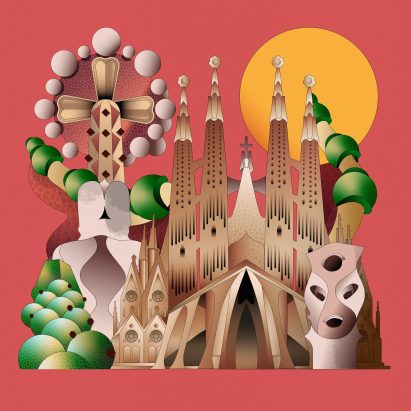
Across disparate projects and cultural discussions, a consistent pattern emerges: the urgent search for architectural solutions that acknowledge planetary limits while simultaneously grappling with the ingrained expectations of built form. This isn’t merely a trend toward sustainability; it is a latent, industry-wide recalibration in structural philosophy, a recognition that the brute force application of traditional materials and assembly methods is no longer viable in the face of resource depletion and climate fragility. The fascination with Gaudí’s organic forms, the embrace of wood-fiber composites like Aisti Aalto’s tiles, and the adaptive reuse of industrial shells like KOPA signal a collective, if often unarticulated, desire to re-embed architecture within natural systems and existing urban fabric, rather than imposing upon them. This represents a move away from a purely modernist, monumentalist approach towards one that is inherently more ecological and contextually sensitive.
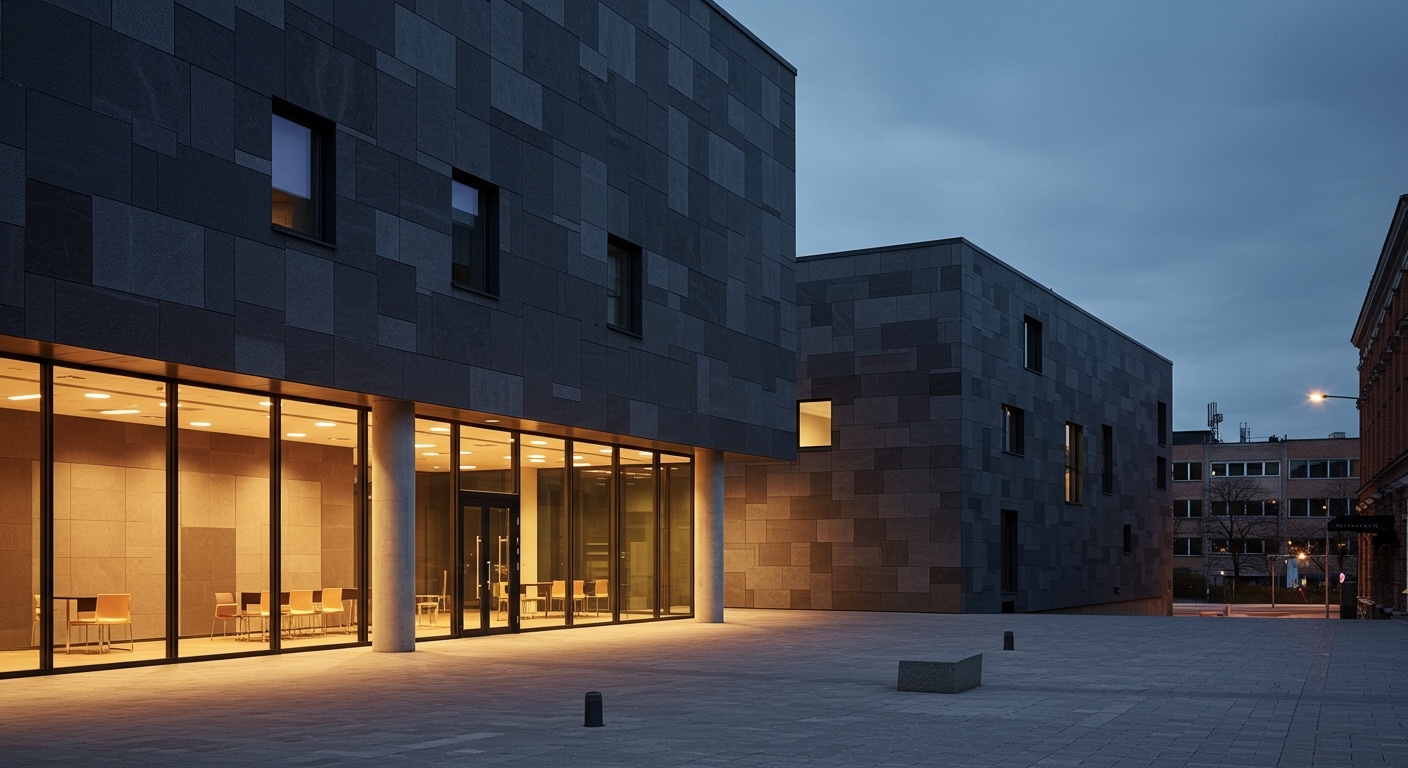
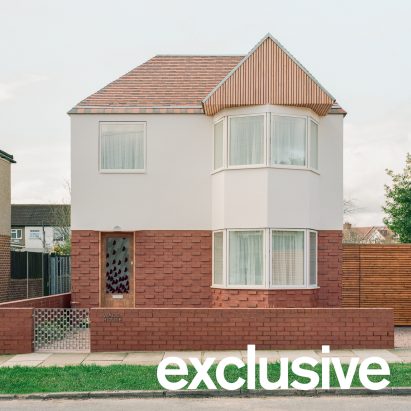
Beneath this surface-level embrace of “natural” lies a more profound tension: the conflict between the perceived permanence and material logic of the built world and the increasingly dynamic, unpredictable conditions of the planet. Wadhal’s Wade House, for instance, engaging with strict suburban planning regulations, subtly subverts the expected vernacular through meticulous material detail and restrained ornamentation. It’s a quiet assertion of intelligent design within a rigid framework, demonstrating how context, even when seemingly restrictive, can foster innovation. This approach, however, stands in stark contrast to the prevailing industry narrative that often prioritizes radical material reinvention or stylistic novelty as the primary drivers of progress. The prevailing wisdom often pushes for a complete departure from historical typologies, viewing them as impediments rather than opportunities. The architectural studios that will thrive are those that can integrate novel material systems and performance metrics within the established grammar of construction and urban typology. By late 2026, projects that demonstrate a sophisticated interpolation of traditional building logic with bio-integrated materials, rather than a wholesale replacement, will emerge as benchmarks for responsible urban development.
The industry’s resistance to this shift is most acutely felt in the gravitational pull of inertia within large-scale construction and development. Established supply chains, entrenched construction methodologies, and risk-averse financial models favor the predictable performance and economies of scale offered by conventional materials like concrete and steel. The “friction” arises from this inherent conservatism, where the upfront investment in exploring and scaling bio-based alternatives, or in painstakingly adapting existing urban fabric, is perceived as a significant economic gamble. The recent discussions around canonizing Antoni Gaudí, while celebrating his genius, also reveal a societal tendency to compartmentalize radical innovation into historical narratives, effectively neutralizing its immediate transformative potential. This creates a significant lag between aspirational design and its widespread implementation.
For a working architecture professional, the immediate takeaway is to actively explore and integrate adaptive reuse strategies not as an ancillary service but as a core structural philosophy. This means deeply understanding the material and structural integrity of existing buildings, identifying their latent potential for new programmatic demands, and then layering innovative, sustainable interventions onto that foundational knowledge. Instead of solely focusing on the shell and core of new construction, professionals should prioritize dissecting and re-purposing the embodied energy and material assets of the built environment.
The recalibration of architectural structural philosophy towards material honesty and urban responsibility is accelerating, driven by the imperative to integrate with planetary limits.
Curated References


About this editorial — This piece was developed using AI-assisted research and curation across multiple industry sources. All analysis, opinions, and predictions represent the editorial perspective of JHDD. Sources are linked in the references section above.