JHDD Packaging Report — 2026.10.17
Fernet-Branca’s limited-edition bottle, reimagined by Austin England in the style of flash tattoos, indicates a shift.
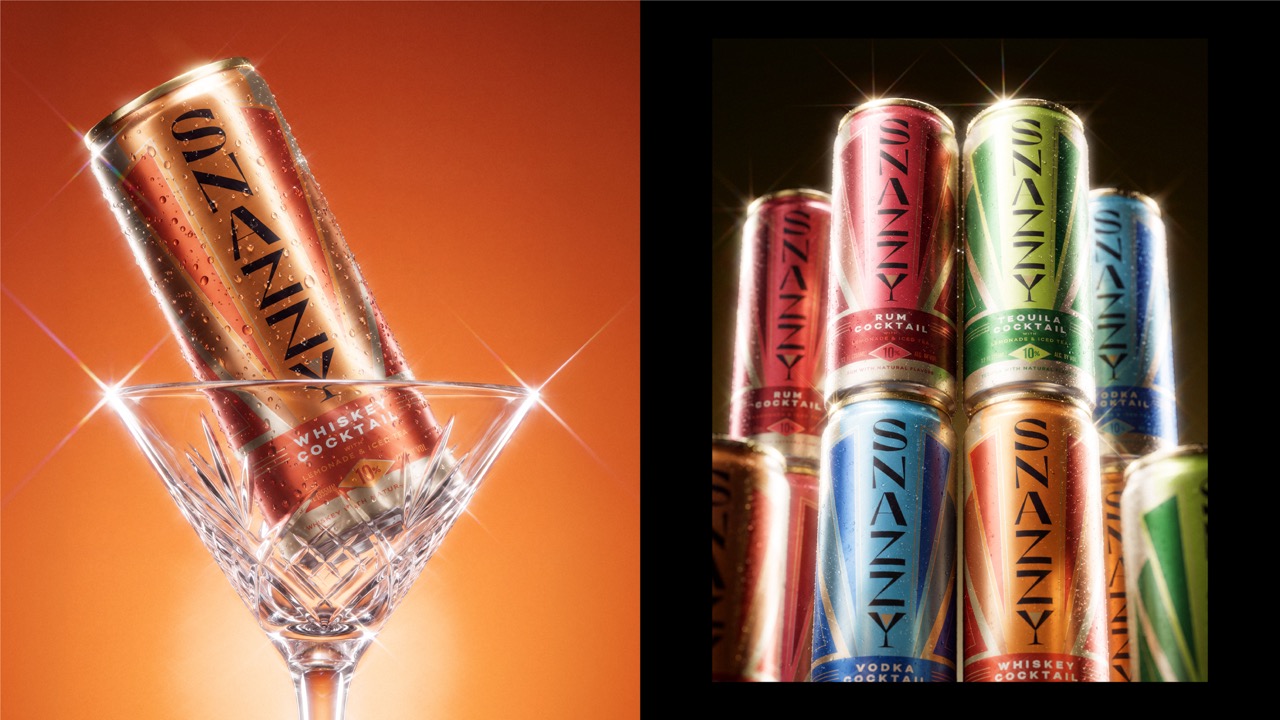
This pattern extends across recent packaging initiatives: Thirst’s Gatsby-esque Snazzy cocktails, Orchidea Agency’s celestial “Holy Halo” concept for Rest Religion, and Bill Rebholz’s distinct illustrations for CPG products. Each project emphasizes high-fidelity artistic expression, moving beyond mere functional containment. The focus has shifted toward distinct visual and tactile storytelling that embeds brand identity into the very fabric of the package, creating an artifact.
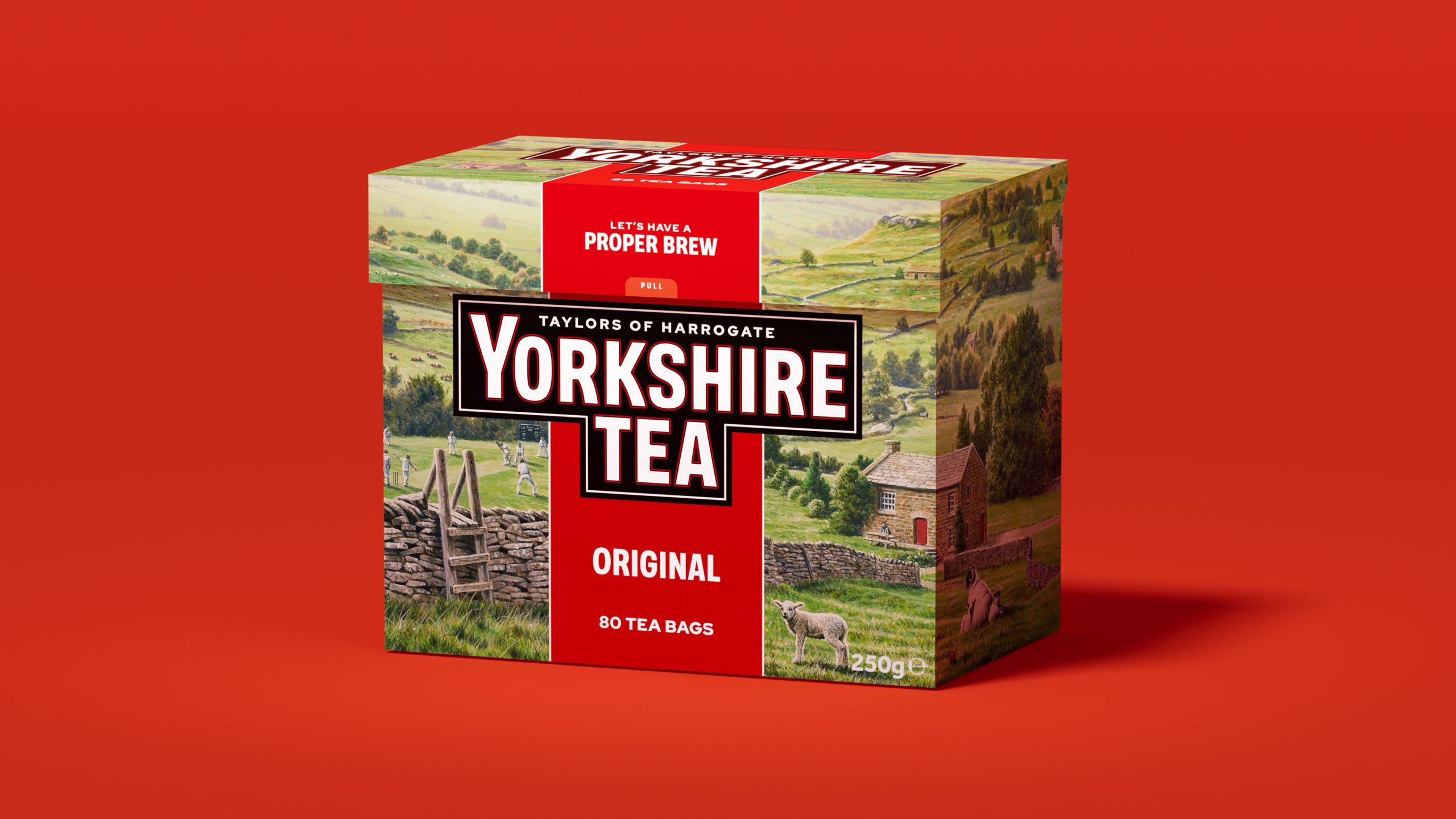
Let’s consider Turner Duckworth’s refinement of Yorkshire Tea, where updated package illustrations and a custom typeface, Proper Sans, sharpen visual identity. This project highlights a common industry challenge: how to refresh a heritage brand without alienating its base. The conventional wisdom prioritizes subtle, evolutionary changes to avoid risk. However, this approach often leaves brands stuck in a cycle of incrementalism that fails to capture new consumer segments or build emotional resonance. The market increasingly rewards bold, memorable aesthetic choices. An opinion contradicting mainstream industry thought is that sustainability, often narrowly defined by material recyclability or reduction, also encompasses packaging that is so aesthetically rich and enduring that consumers want to display or retain it, extending its perceived lifecycle beyond its primary function. This form of “aesthetic sustainability” reduces the disposable mindset by elevating packaging to an object of desire.
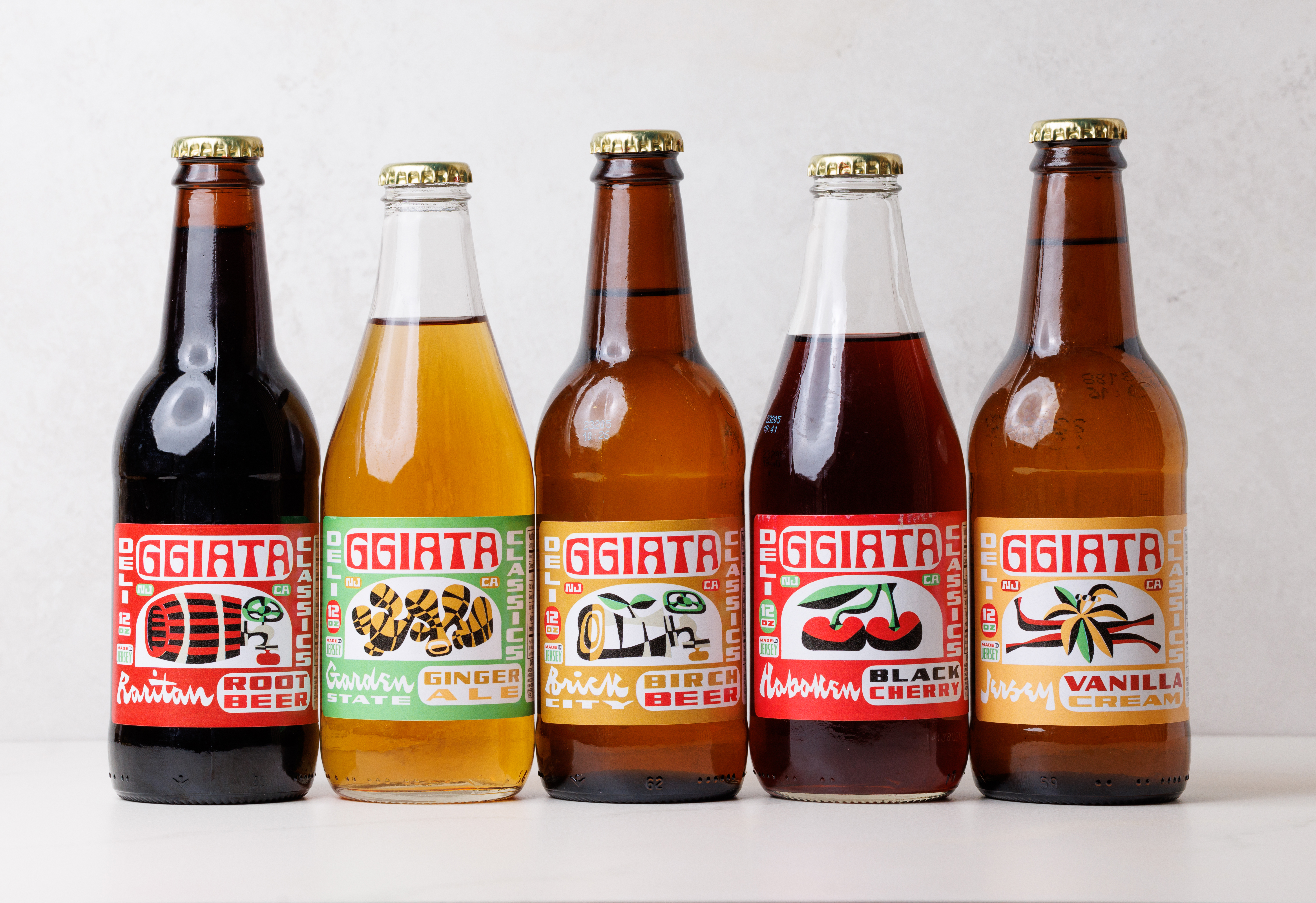
The strategic adoption of unique, illustrative packaging, as seen with Bill Rebholz bringing his distinct style to wine and soda labels, fosters an unboxing experience that begins on the shelf. The intricate details and bespoke artistry elevate the initial interaction, transforming it from a transactional moment into a discovery. This emphasis on crafted aesthetics will intensify. By late 2028, at least 30% of premium CPG brands will feature packaging that prominently incorporates custom, high-detail illustration or unique tactile finishes, directly integrating artists into their primary design teams. This shift moves beyond simple brand guidelines into true artistic collaboration, making packaging itself a collectible item.
The primary resistance to this aesthetic and tactile richness comes from cost-driven manufacturing processes and a prevailing corporate fear of deviation from established brand safety zones. Implementing intricate illustrations, bespoke material finishes, or unique structural forms often requires specialized production techniques and can increase unit costs, pushing against procurement departments’ mandates for efficiency and standardization. Marketing teams, too, often prioritize broad appeal and immediate recognizability over nuanced, artistic expression that might take longer to connect with all consumers. This short-term focus inhibits the deeper, more enduring brand loyalty that sophisticated packaging fosters.
A working packaging professional should this week initiate a cross-functional workshop to explore “aesthetic longevity” for their current product lines. This means reviewing existing packaging not just for material sustainability metrics, but also for its capacity to be retained, reused, or admired after the product is consumed. Identify one product whose packaging could be redesigned to become a desirable object in itself, focusing on tactile qualities and unique visual storytelling, perhaps by commissioning a local artist for a limited run. Prioritize engaging with material suppliers who can offer innovative textures, finishes, and structural possibilities that elevate perceived value without relying solely on traditional luxury cues.
TL;DR
Packaging increasingly succeeds by becoming an aesthetically enduring, collectible object that resists disposability.
Curated References


About this editorial — This piece was developed using AI-assisted research and curation across multiple industry sources. All analysis, opinions, and predictions represent the editorial perspective of JHDD. Sources are linked in the references section above.